Global
H.H. Sultan bin Ahmed Al Qasimi Opens 14th Arab Conference on Space and Astronomy at University of Sharjah
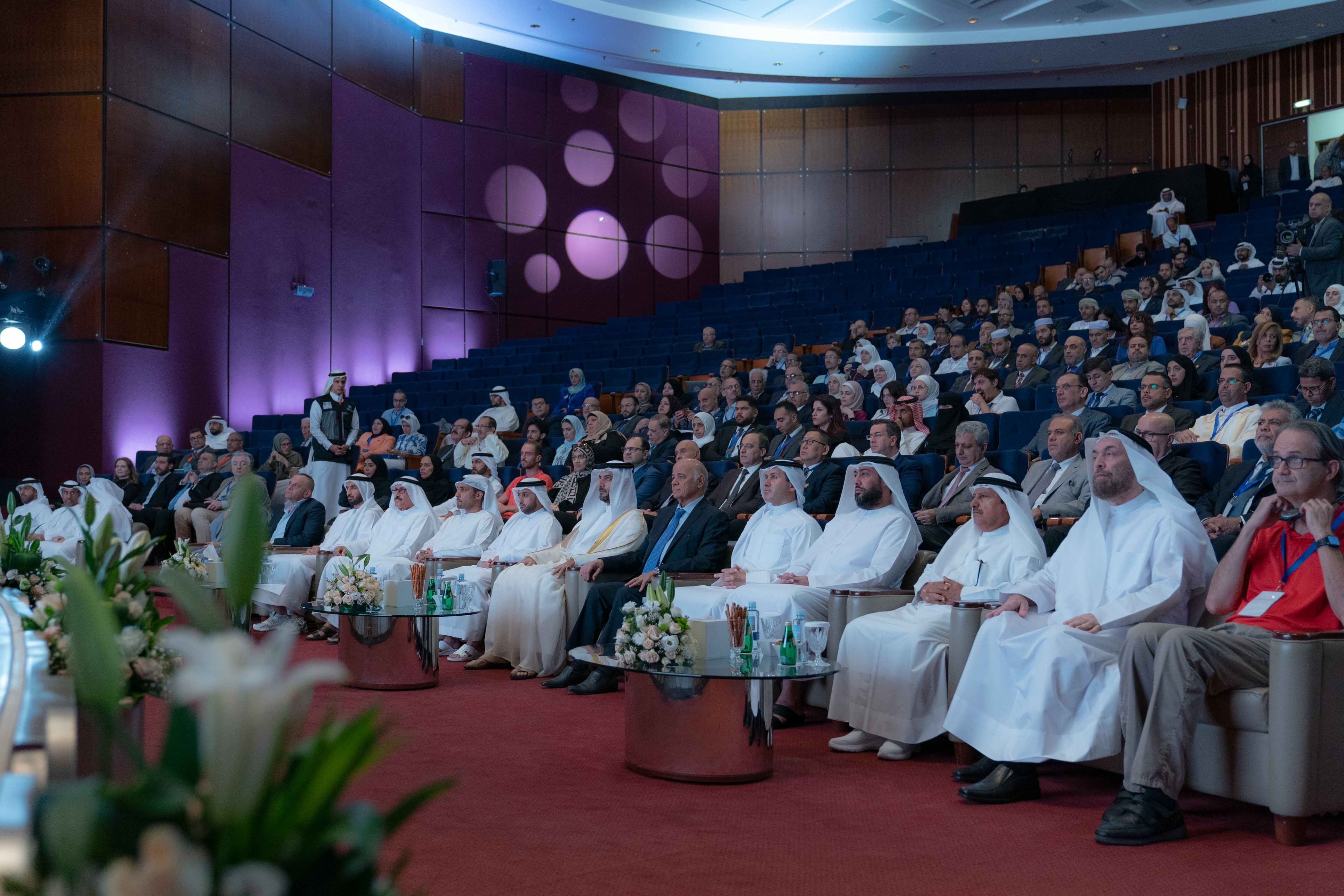
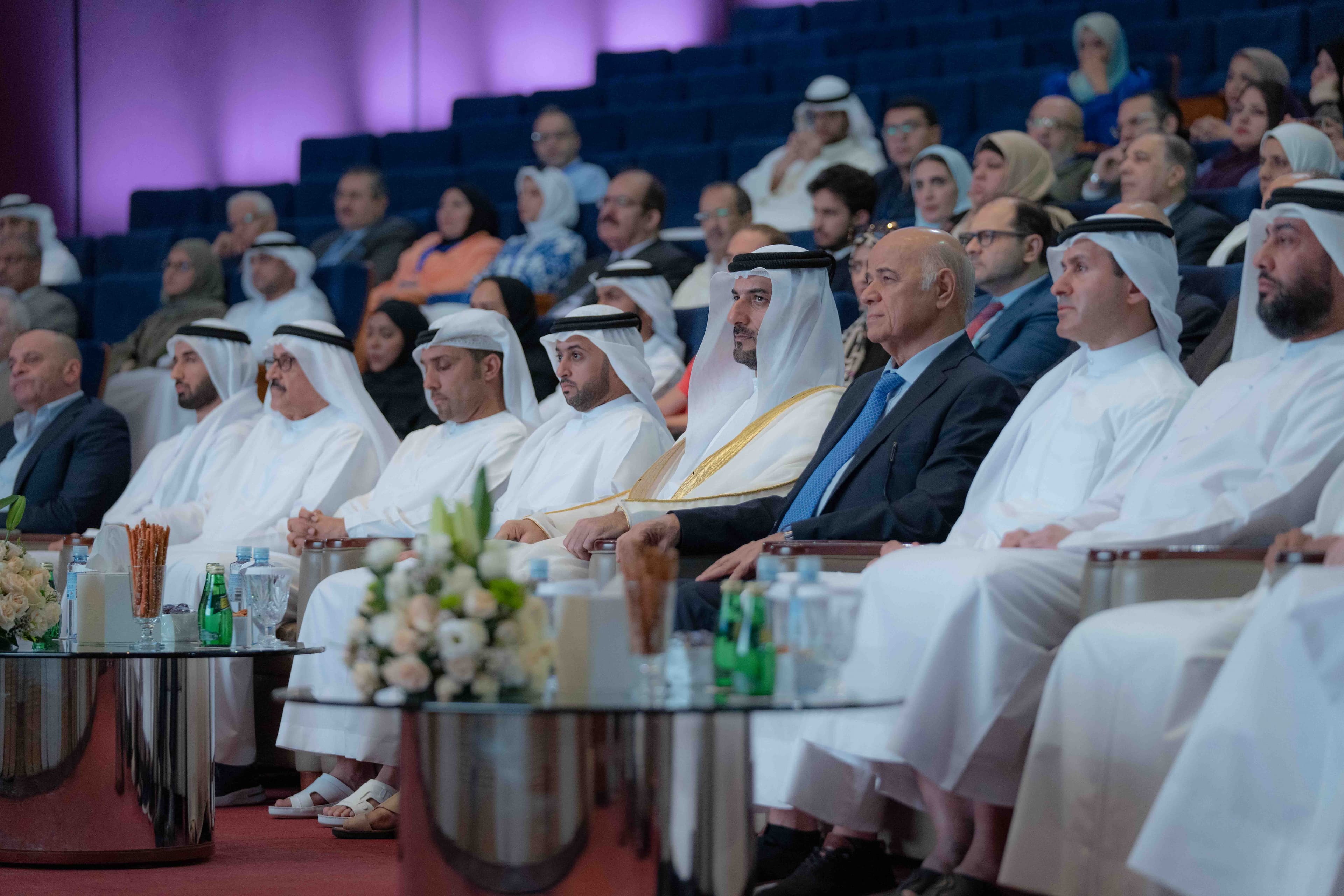
His Highness Sheikh Sultan bin Ahmed bin Sultan Al Qasimi, Deputy Ruler of Sharjah, and President of the University of Sharjah today presided over the opening of the 14th Arab Conference on Space and Astronomy at the University of Sharjah (UoS). The conference is organized by the Arab Union for Astronomy and Space Sciences in cooperation with the University of Sharjah and the Sharjah Academy for Astronomy, Space Sciences and Technology (SAASST).
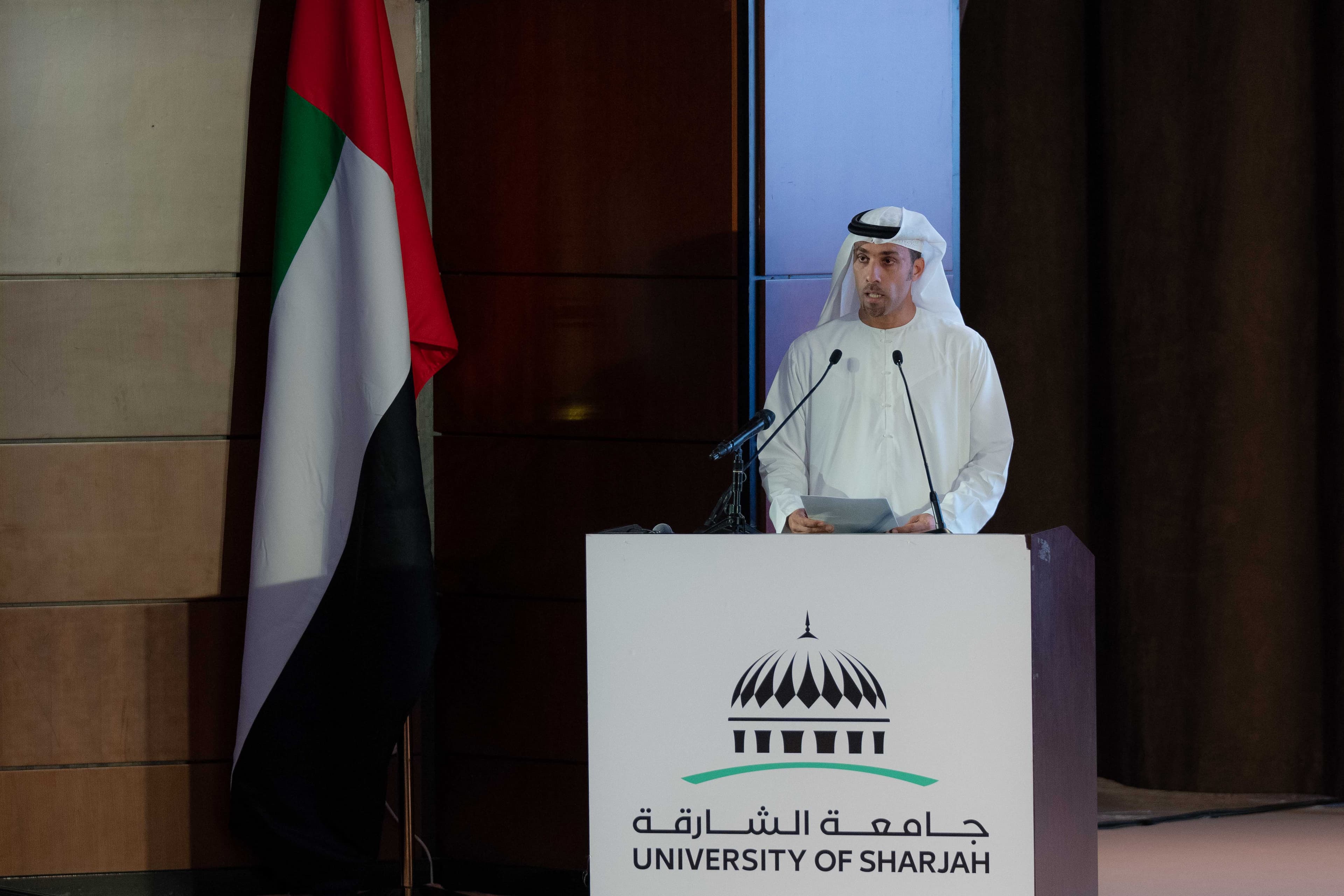
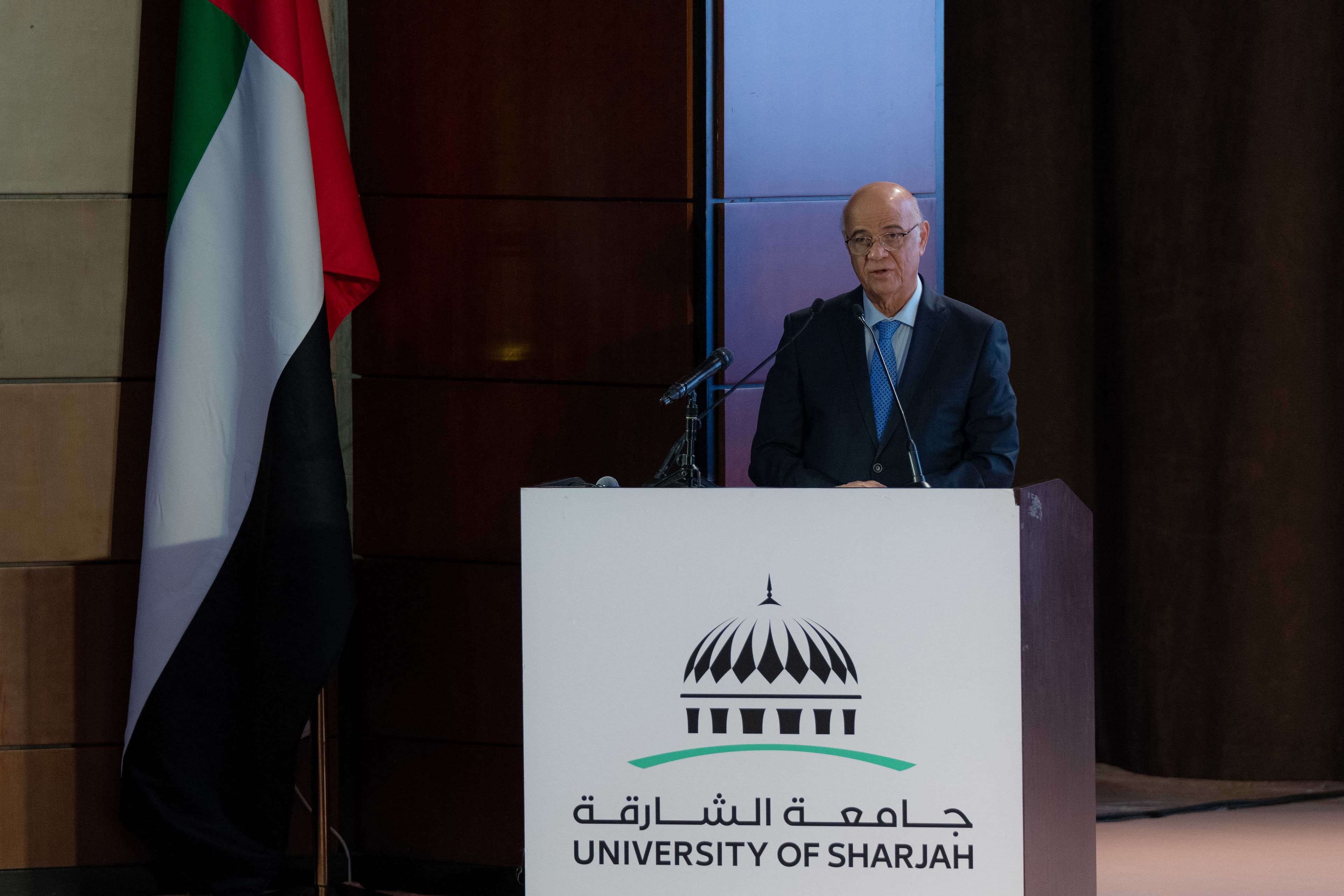
The opening ceremony began with the UAE national anthem followed by a recitation from the Holy Qur’an. In his opening remarks, H.E. Prof. Hamid M.K. Al Naimiy, Chancellor of the University of Sharjah and President of the Arab Union for Astronomy and Space Sciences, congratulated His Highness Sheikh Dr. Sultan bin Mohammed Al Qasimi, Member of the Supreme Council and Ruler of Sharjah, on the 25th anniversary of the union of the emirates of the UAE. He also thanked the President of the University and the attendees for their support of the event, noting that this support reflects the priority given by the leadership to the development of the space sector.
Prof. Al Naimiy reviewed the UAE’s 25-year history, highlighting the efforts of its founders and the achievements and discoveries realized in space science and technology over the years. He underlined the union’s continuing role in advancing scientific research, enriching human knowledge, and correcting misconceptions in astronomy and space sciences. In addition, he pointed to the rapid growth of astronomical and space activities across the Arab world, and particularly in the UAE, which has led to the establishment of leading space institutions and observatories equipped with advanced technology. These include planetariums, space weather laboratories, facilities for meteors and meteorites, units for analyzing space data and imagery, and both radio and optical observatories, in addition to the application of artificial intelligence in space sciences. He cited with pride the development of cube satellites, notably “Sharjah-Sat 1”, designed and built by Emirati specialists at the Sharjah Academy for Astronomy, Space Sciences and Technology.
He noted that the UAE has placed space science and technology among its national priorities, as demonstrated by projects to send Emirati astronauts to the International Space Station, the Emirates Mars Mission “Hope Probe”, plans to explore the Moon by 2026, and a proposed mission to explore Venus and selected rocky asteroids between Mars and Jupiter. He also highlighted Arab efforts through the establishment of space agencies, radio and optical observatories, and the launch of multiple satellites, together with the creation of university departments, academic programs, associations and clubs in astronomy and space sciences, which now number more than 60 associations.
Moreover, Prof. Al Naimiy praised the strong collaboration between the University of Sharjah and the Sharjah Research Technology and Innovation Park (SPARK) in building an integrated ecosystem for space science and technology. This partnership supports the attraction of startups, entrepreneurs, and investors by providing specialized laboratories, facilities, and expert scientific consultancy, as well as a supportive investment environment through networks of investors and private-sector partners.
Stressing the importance of education, Prof. Al Naimiy called for embedding space, astronomy and atmospheric sciences into school and university curricula to develop this sector further. He pointed to the significant impact of these fields on human capital, national security, the economy, politics, and social and humanitarian issues, as well as their role in engaging children and youth with advanced technologies. He described them as a real opportunity to strengthen efforts in space exploration through artificial intelligence applications, global navigation systems and space robotics.
Concluding his address, he underlined the importance of the 14th Arab Conference on Space and Astronomy in supporting national efforts in this field. He stated that the conference outcomes will complement state strategies and plans in space and astronomy, and called on academic institutions, associations, and decision-makers to accord greater attention and support to education, research, development and innovation in space science and technology.
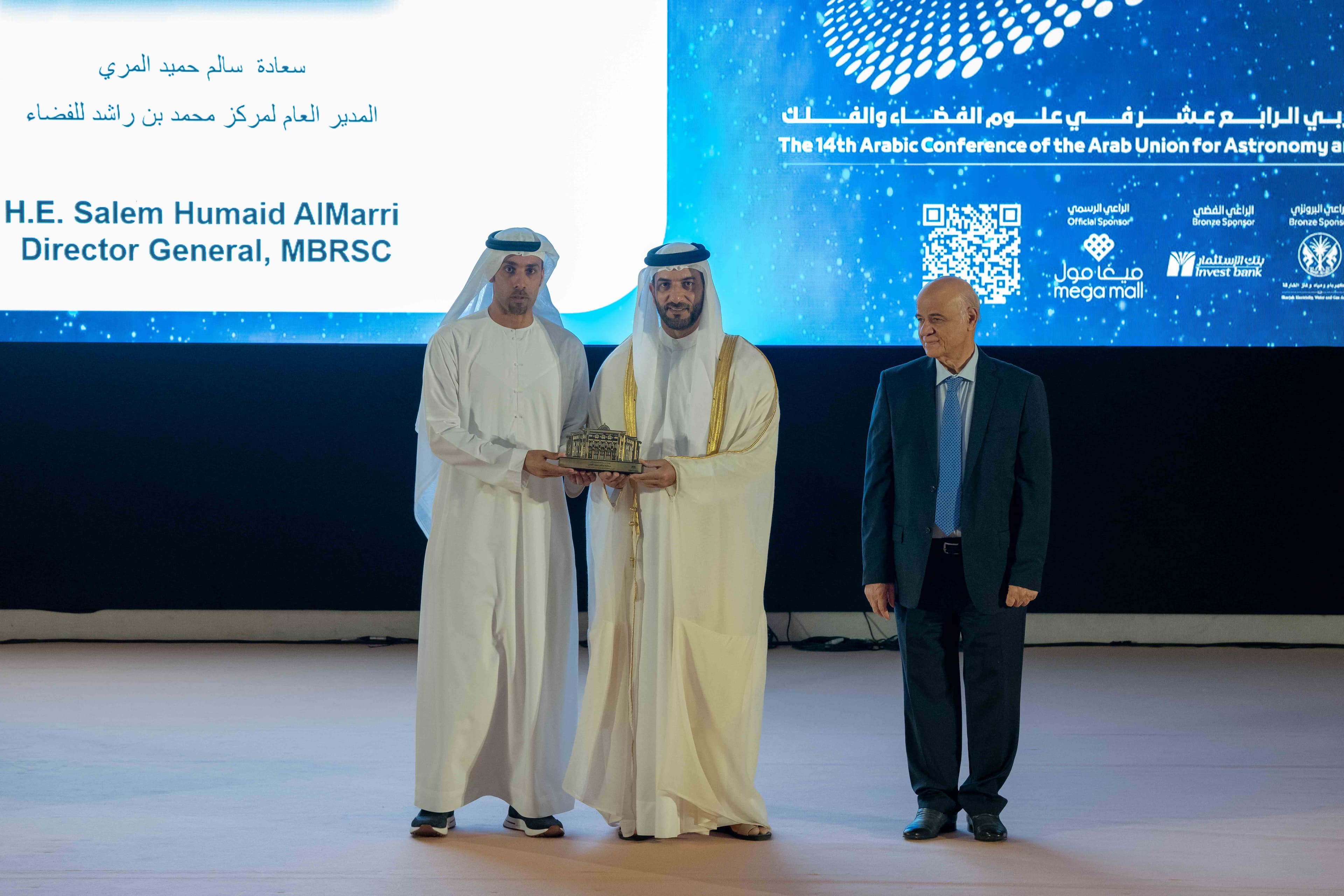
Mr. Salem Humaid Al Marri, Director General of the Mohammed bin Rashid Space Centre, delivered a keynote address in which he commended the efforts of the Sharjah Academy for Astronomy, Space Sciences and Technology and the close cooperation between the University of Sharjah and the center in preparing national cadres. He noted that 20% of the center’s workforce are graduates of the University of Sharjah.
Mr. Al Marri also announced that the Mohammed Bin Zayed Sat is scheduled for launch in 2024 and will be the most advanced in the region in high-resolution imaging. He explained that the satellite is the result of extensive experience within the centre’s team and close cooperation with the UAE space industry, and will support environmental monitoring, urban planning, agricultural development, and water quality assessment. He stressed that the UAE and the Arab world are living through a historic phase in space exploration.
He highlighted the mission of Emirati astronaut Sultan Al Neyadi, who returned to Earth on September 4 after spending 186 days in space as part of Crew-6 on board the SpaceX Dragon spacecraft. During the mission, Al Neyadi completed the longest spaceflight in Arab history, conducted the first Arab spacewalk, and carried out 200 scientific experiments and hundreds of maintenance and operational tasks. These included research in medicine, materials science, fluid dynamics, plant biology and technology demonstrations designed to enhance life on Earth. Mr. Al Marri further noted that Al Neyadi’s experiments covered areas such as 3D printing of knee cartilage tissue, work on potential treatments for type 2 diabetes, the study of sleep patterns in microgravity, and the effects of clinical drugs on heart cells in space. These projects were conducted in cooperation with several space agencies and international partners, including NASA, the European Space Agency (ESA), the Japan Aerospace Exploration Agency (JAXA), and several UAE educational institutions that contributed experiments, such as protein crystal growth linked to neurological conditions like epilepsy.
In addition, Mr. Al Marri reviewed the communication and outreach activities carried out during Al Neyadi’s mission, describing it as a historic experience that captured public attention. Among the stated objectives was raising awareness of the benefits of human spaceflight and exploration. Over the six-month mission, Al Neyadi participated in 19 live audio-visual events under the “Call from Space” initiative across all emirates, in addition to two international editions in the United States and Mauritius, seven radio contacts and hundreds of social media videos.
Al Marri expressed his appreciation for the UAE’s leadership and its support for space programs and space exploration, describing such backing, along with international partnerships and knowledge transfer, as key conditions for mission success. He recalled the knowledge transfer program with South Korea that led to the launch of “DubaiSat-1”, followed by other satellites, astronaut missions, and exploration projects to Mars and the Moon. He affirmed that the 14th Arab Conference on Space and Astronomy represents an important opportunity to deepen partnerships, exchange knowledge and work jointly for the advancement of the space sector.
He concluded his address by highlighting the successive achievements of the UAE and the Arab world in space and astronomy, including the launch of “KhalifaSat”, the first satellite fully developed by an Emirati team, the 2019 mission of astronaut Hazzaa Al Mansoori as the first Arab to reach the International Space Station, the arrival of the first Arab mission to Mars orbit, and the closest approach by an Arab mission to the Moon. He noted that Emirati astronauts Hazzaa Al Mansoori, Sultan Al Neyadi, Nora Al Matrooshi and Mohammed Al Mulla are continuing preparations for upcoming human spaceflight missions, alongside ongoing work on the Rashid-2 rover within the UAE’s lunar exploration program.
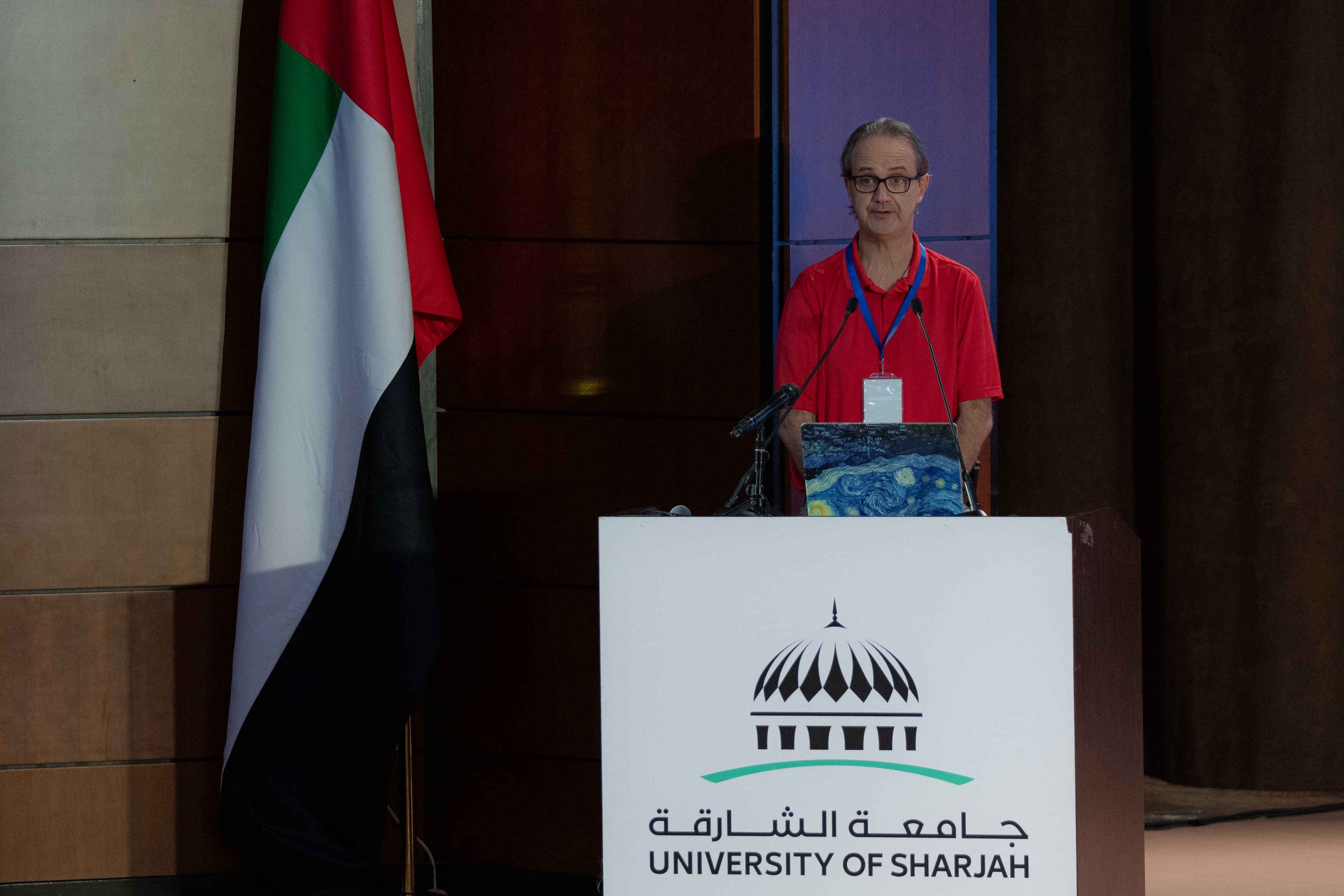
The program also included a presentation by Jesús Maíz Apellániz, a scientist at the Centre for Astrobiology in Spain, who discussed the latest telescope technologies, their capabilities and operation, methods of observing stars and celestial objects, and examples of astronomical images and space projects. In addition, Wang Chong Min, Director of the International Cooperation Centre at China’s Deep Space Exploration Centre, presented China’s experience in satellite manufacturing, space exploration programs, and plans to land Chinese astronauts on the Moon by 2030. He praised Arab, and particularly Emirati, achievements in space and astronomy and the prospects for strengthened collaboration with China in lunar exploration.
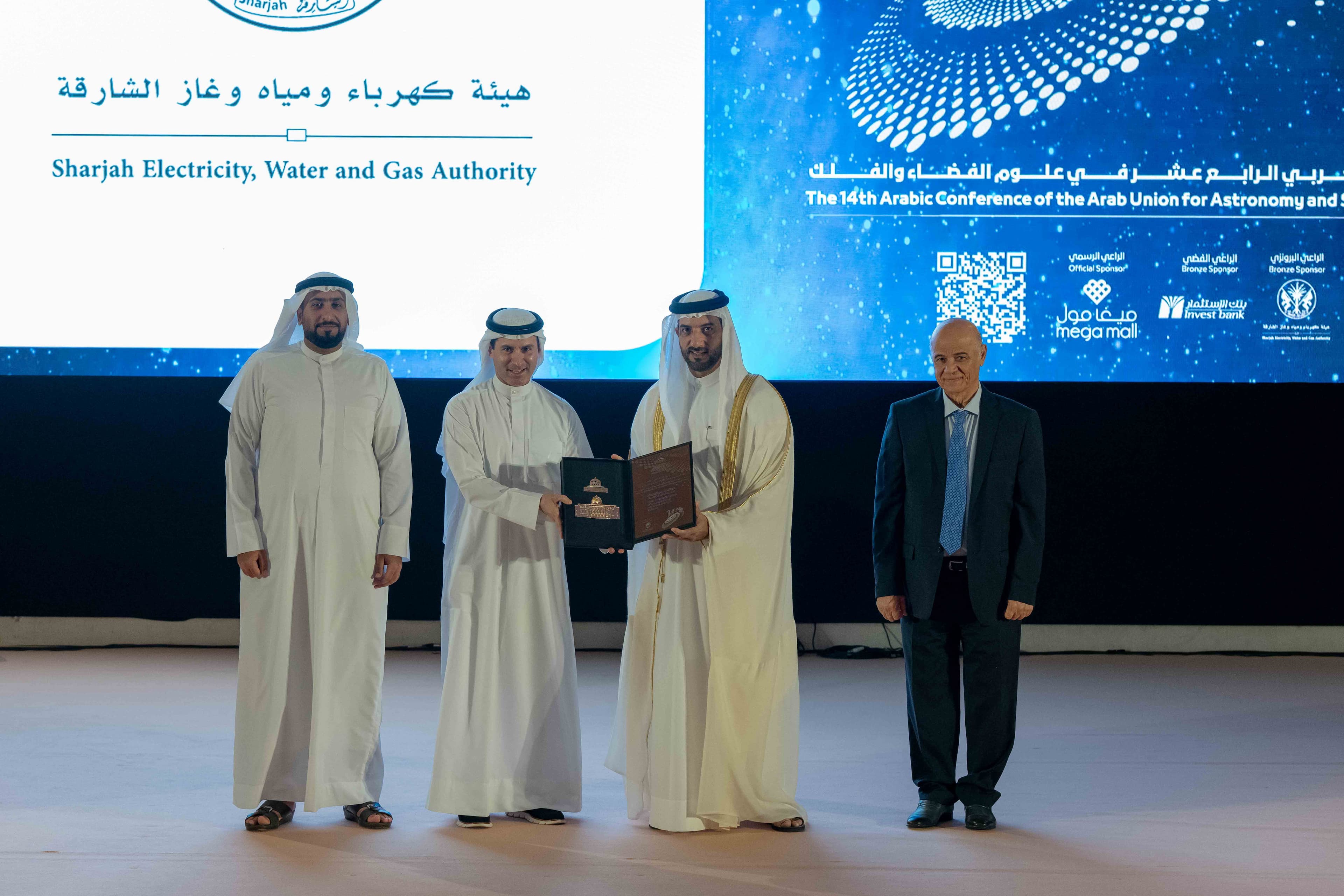
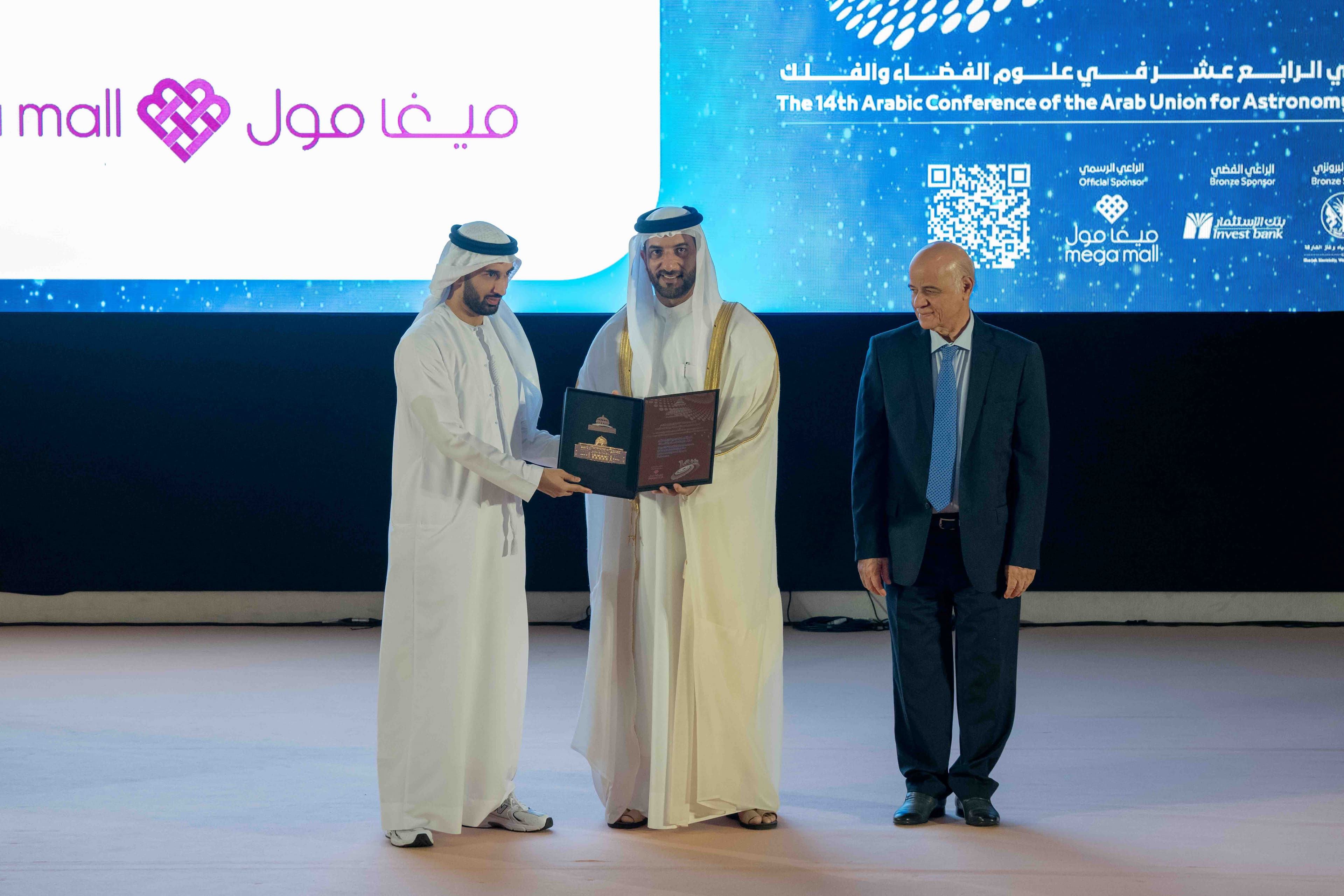
At the close of the opening ceremony, His Highness Sheikh Sultan bin Ahmed Al Qasimi, Deputy Ruler of Sharjah, and President of the University of Sharjah honored the partners and sponsors of the 14th Arab Conference on Space and Astronomy, presenting them with commemorative shields and posing for group photographs. He commended their support for the conference and their role in promoting scientific studies in the space and astronomy sector.
The opening was attended by Sheikh Mohammed bin Humaid Al Qasimi, Head of the Statistics and Community Development Department; Major General Saif Al Zari Al Shamsi, Commander-in-Chief of Sharjah Police; Dr Suleiman bin Sarhan Al Zaabi, Head of the Municipal Affairs Department; Hussein Mohammed Al Mahmoudi, CEO of the Sharjah Research, Technology and Innovation Park; members of the University of Sharjah Board of Trustees; faculty and administrative staff; and a large number of scientists and specialists in the field of space and astronomy.
Activity Highlights