Global
H.H. Ruler of Sharjah Attends Launch of Four Astronomical Projects at SAASST
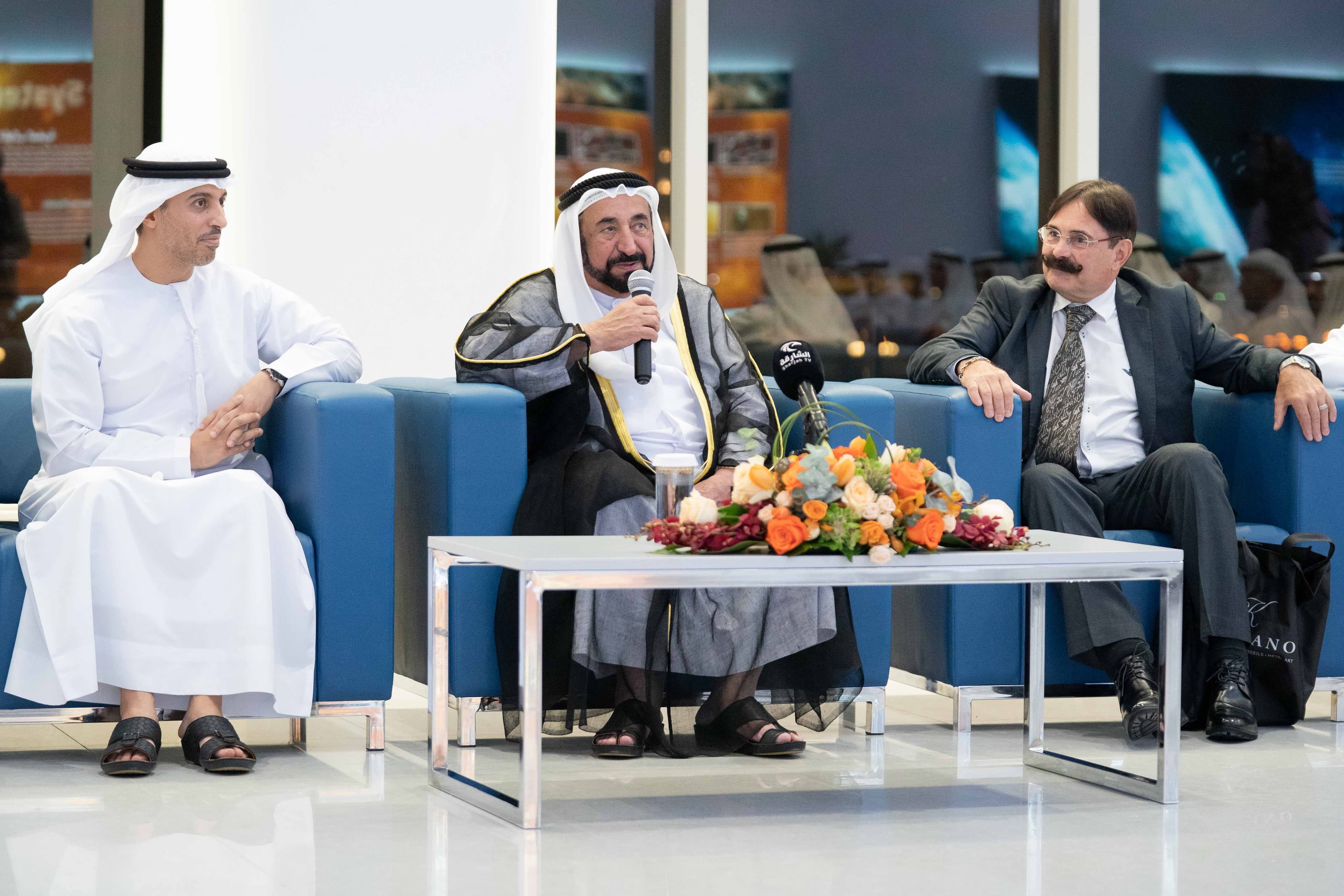
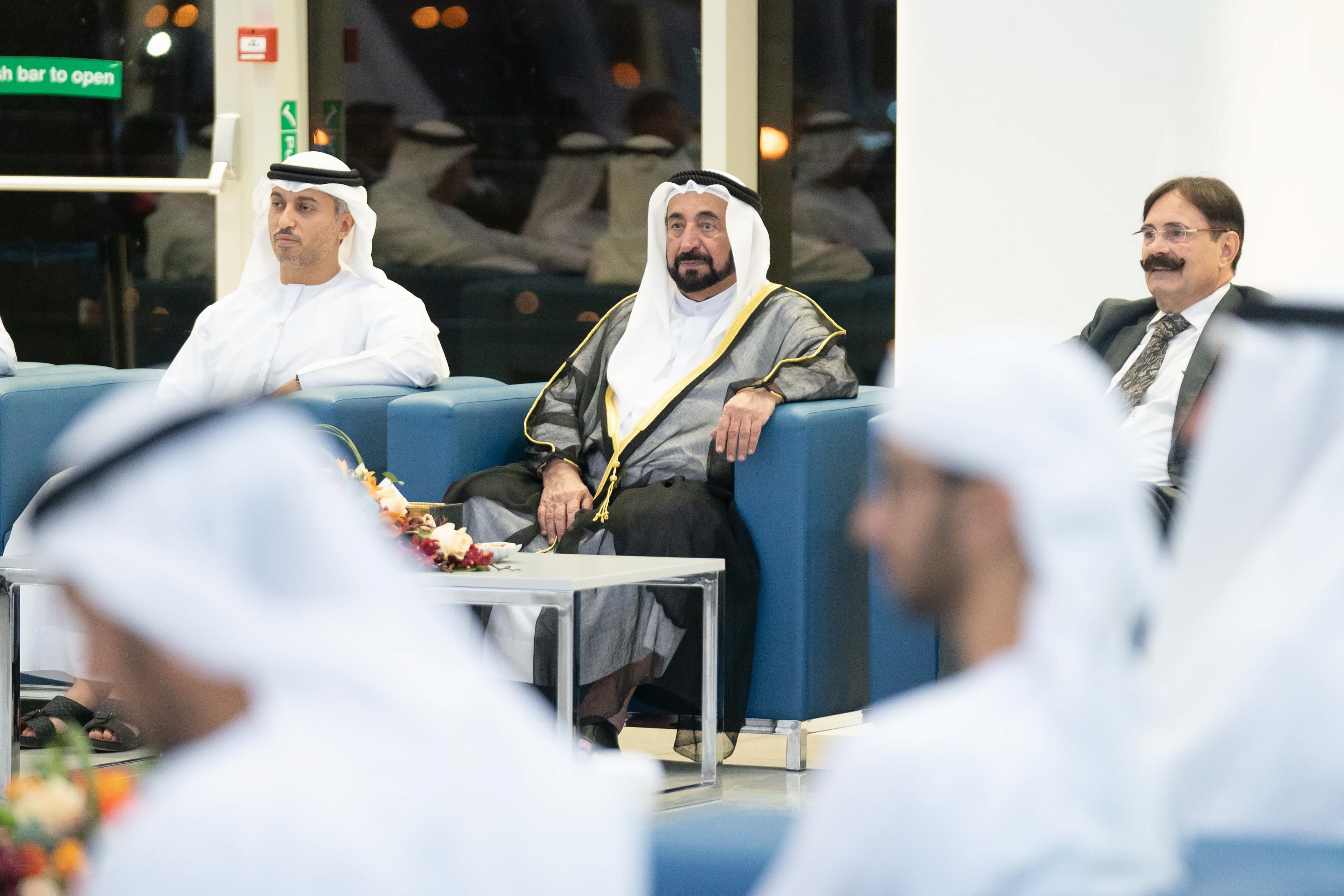
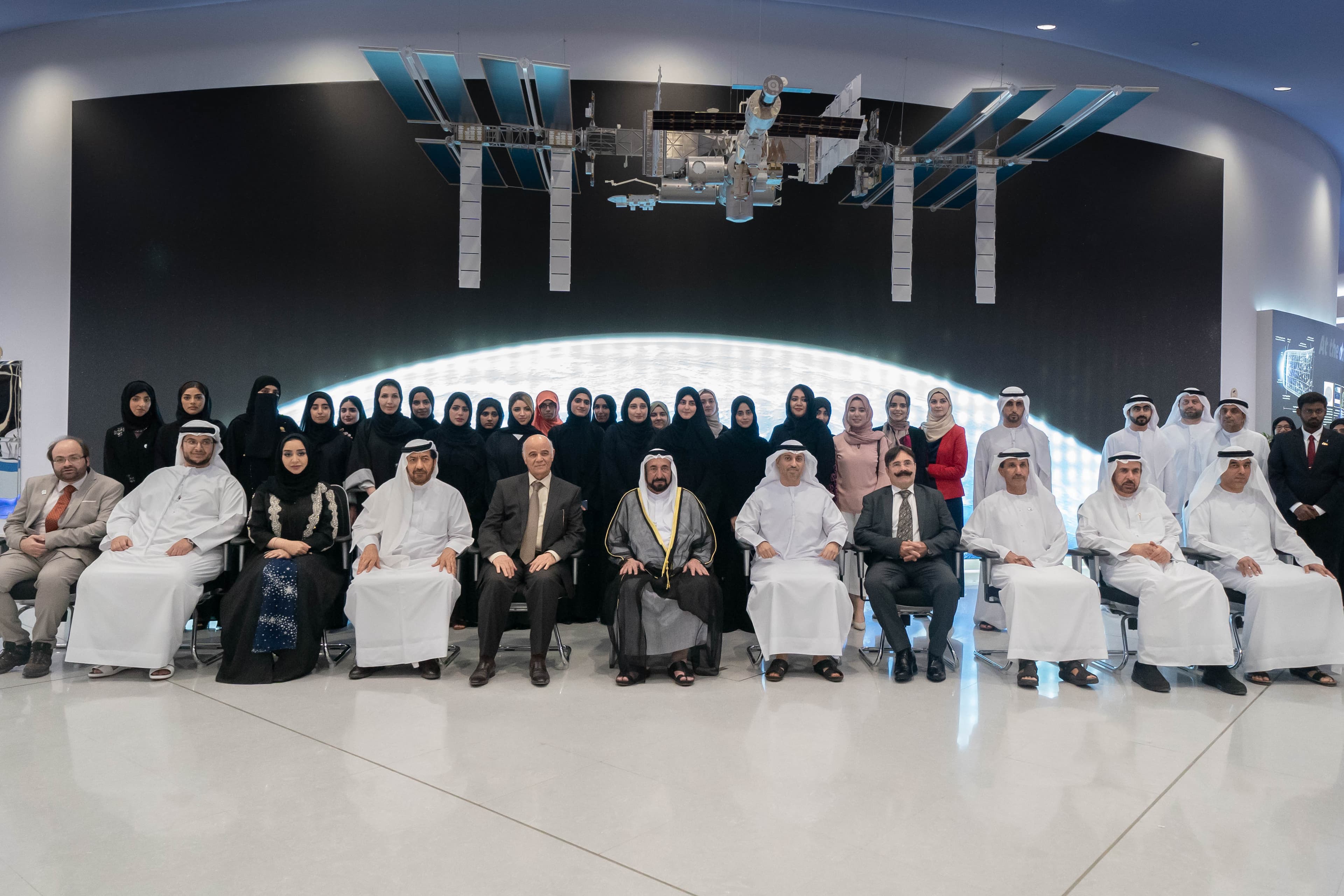
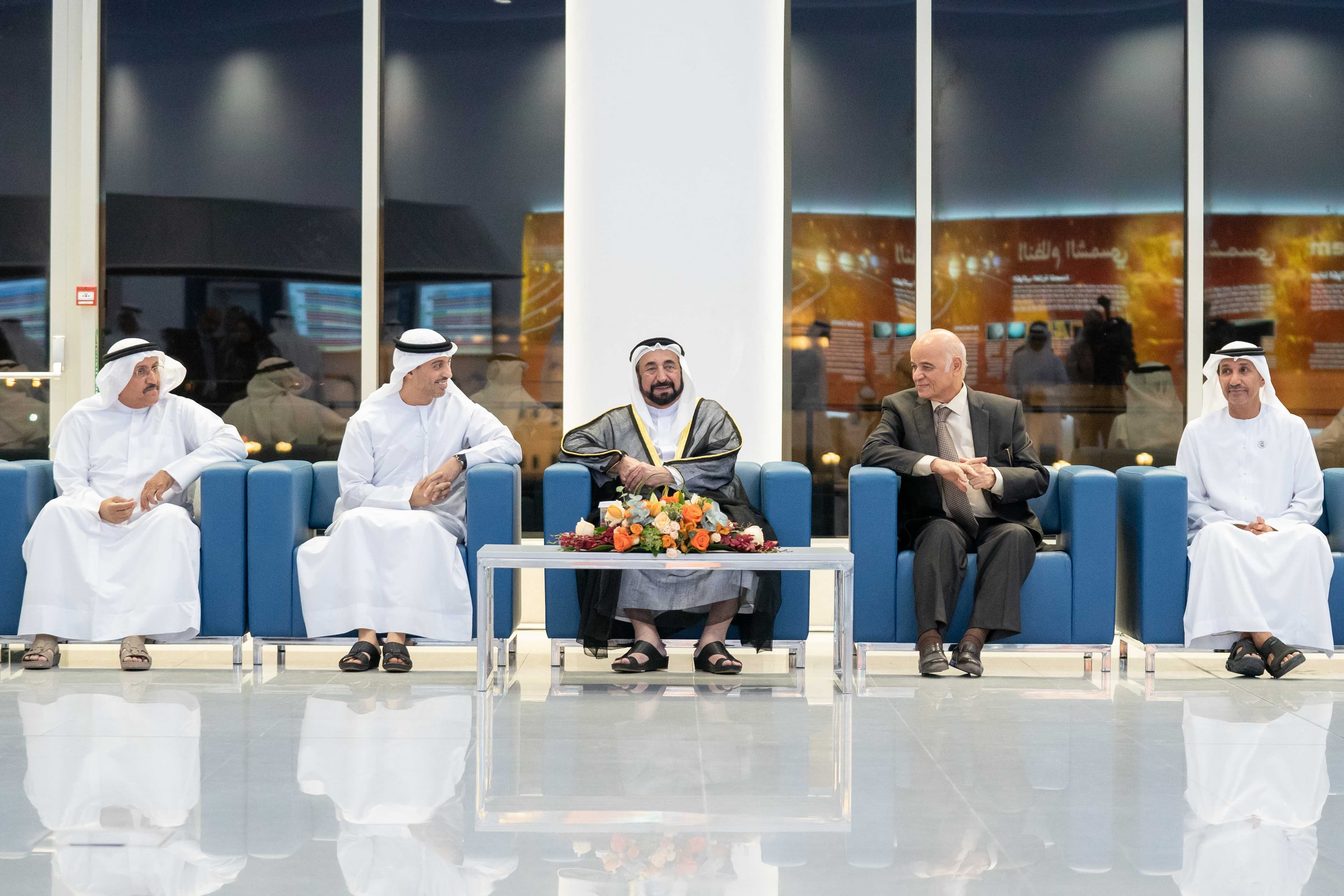
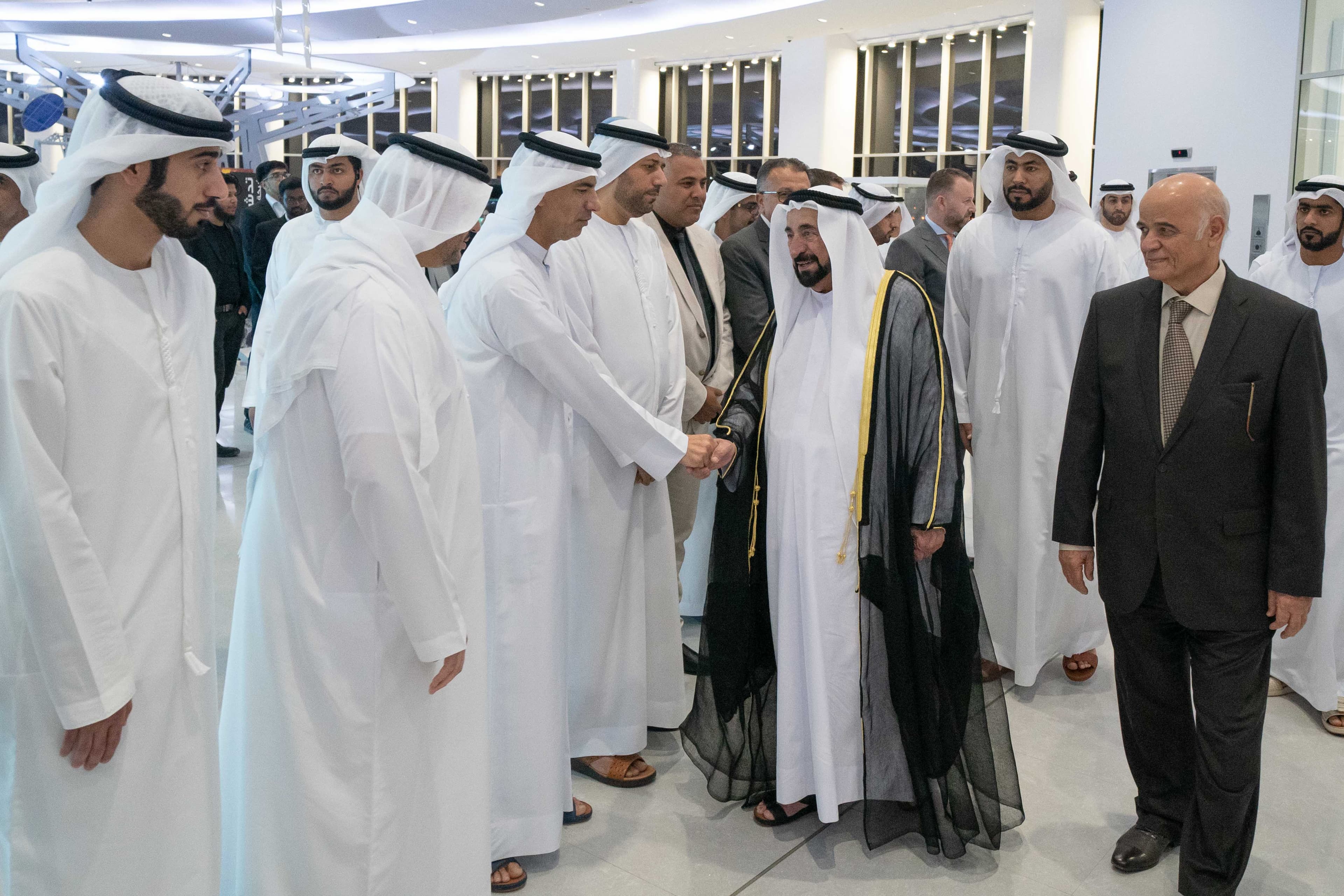
His Highness Sheikh Dr. Sultan bin Mohammed Al Qasimi, Member of the Supreme Council, Ruler of Sharjah, and President of the University of Sharjah, emphasized the vital role of scientific centers and institutes in the emirate in advancing beneficial knowledge and science, describing them as a strong and sound foundation for academic research and for serving scholars and the scientific community. His remarks came during the inauguration ceremony of four new astronomical projects held on Tuesday evening at the Sharjah Academy for Astronomy, Space Sciences, and Technology (SAASST).
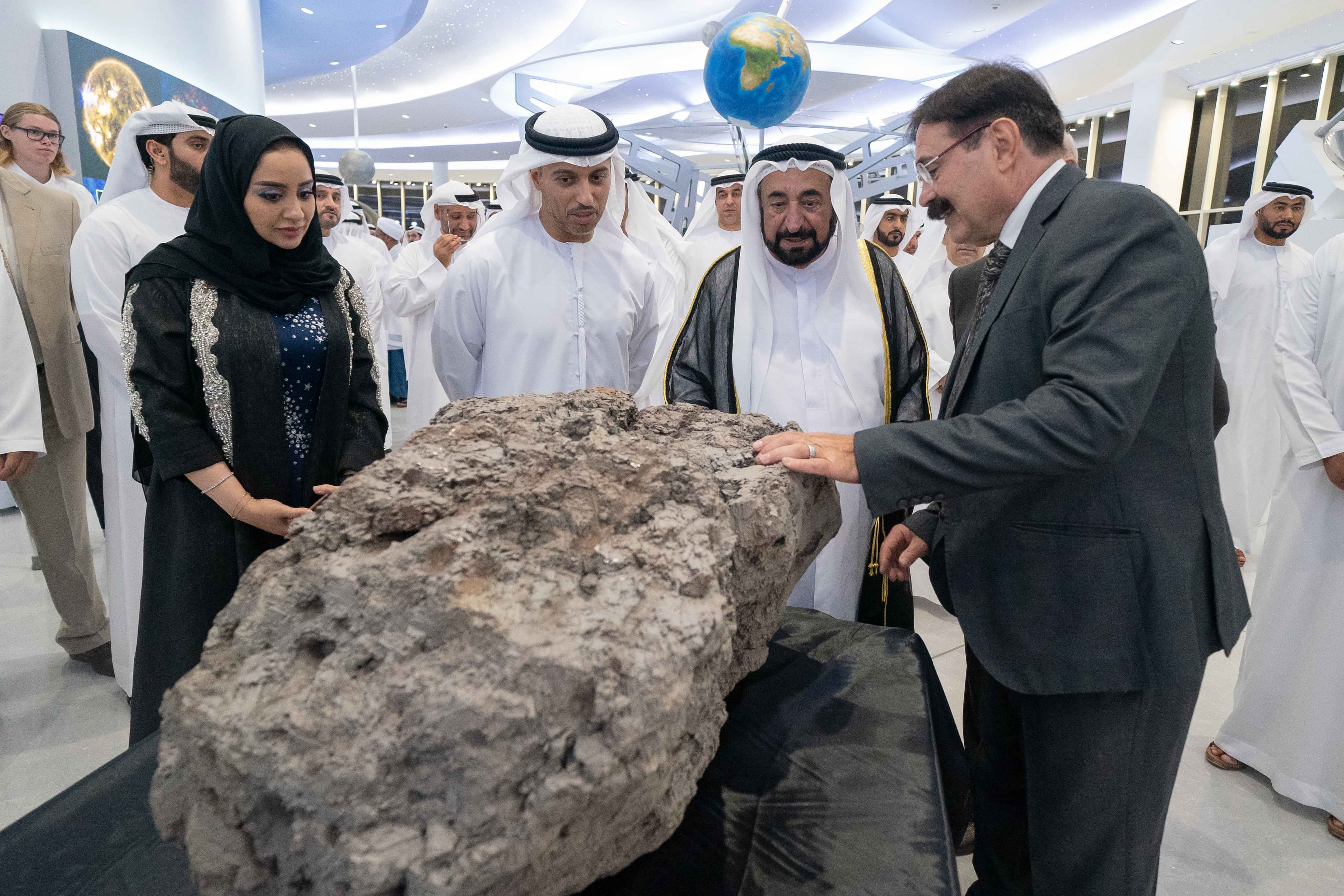
During his address to the attendees, His Highness underscored the importance of studying astronomy and space sciences through a specialized institution such as the Sharjah Academy for Astronomy, Space Sciences and Technology. He commended Prof. Victor Prakas for his collaboration with the academy in donating a collection of rare meteorites and extended his appreciation to the UAE Space Agency for its valuable cooperation in supporting scientific research in the fields of space and astronomy.
The launch of these landmark projects forms part of the SAASST’s strategic plan to advance research in astronomy and space sciences, in cooperation with the UAE Space Agency. The initiative aims to empower researchers and specialists in contributing to the preservation of outer space and in harnessing advanced technologies for the service of humanity.
The first of the four projects is the Emirates Towers Network for Meteor and Space Debris Monitoring. This network comprises three towers located in Sharjah, Al Ain, and Liwa, providing comprehensive sky coverage across the UAE. Each tower contains 17 cameras operating from sunset to sunrise to track potential meteors and artificial space debris, with the system capable of determining the exact landing position of any detected object. The station is the first of its kind globally and forms part of the International Space Situational Awareness Program, which seeks to raise public awareness of the dangers posed by space debris.
The second project, the Decametric Radio Telescope, consists of four dipole antennas utilizing NASA’s Radio JOVE modules as core components. The receiver is designed to operate at a frequency of 20.1 megahertz to conduct radio astronomical observations of dynamic interactions on Jupiter’s moon Io—one of the most geologically active bodies in the solar system. The telescope will also record solar bursts and radio emissions from the Milky Way. Researchers at the academy aim to use these data to study the interactions between solar activity and Earth’s upper atmosphere, including the relationships between solar flares, auroral activity, and sunspots.
The third project, the Ionosonde System, is a modern, flexible, and fully digital apparatus designed to study and monitor the ionosphere. Employing high-frequency radio pulses transmitted vertically, the system will enable precise analysis of how solar winds influence Earth’s upper atmospheric layers. This research will help address communication and navigation disruptions often caused by solar-induced ionospheric disturbances.
The fourth project involves the installation of a five-meter radio telescope employing three SPIDER 500A telescopes to simulate a 40-meter radio interferometer system. This marks the UAE’s first five-meter radio telescope operating at 1.4 gigahertz. For the first time, researchers will be able to produce comprehensive radio maps of the universe, aiding in the study of massive hydrogen structures between galactic clusters—crucial for understanding cosmic expansion.
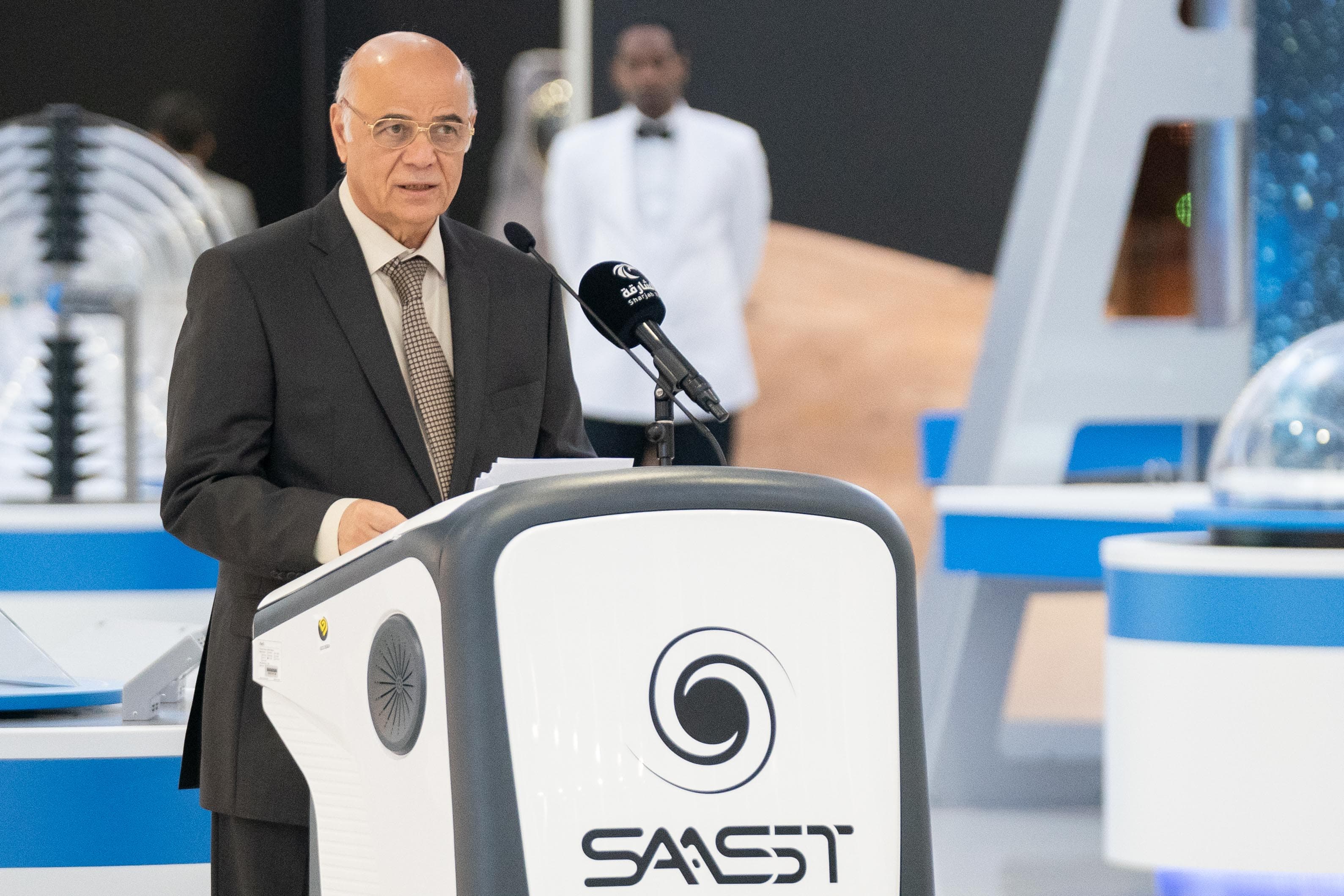
In his address, H.E. Prof. Hamid M.K. Al Naimiy, Chancellor of the University of Sharjah and Director of the SAAASST, welcomed the distinguished guests and expressed deep gratitude to His Highness the Ruler of Sharjah for his unwavering support of the University’s academic and scientific endeavors. He highlighted the significance of the newly launched projects, praised the efforts of the teams behind them, and commended the cooperation between the academy and the UAE Space Agency.
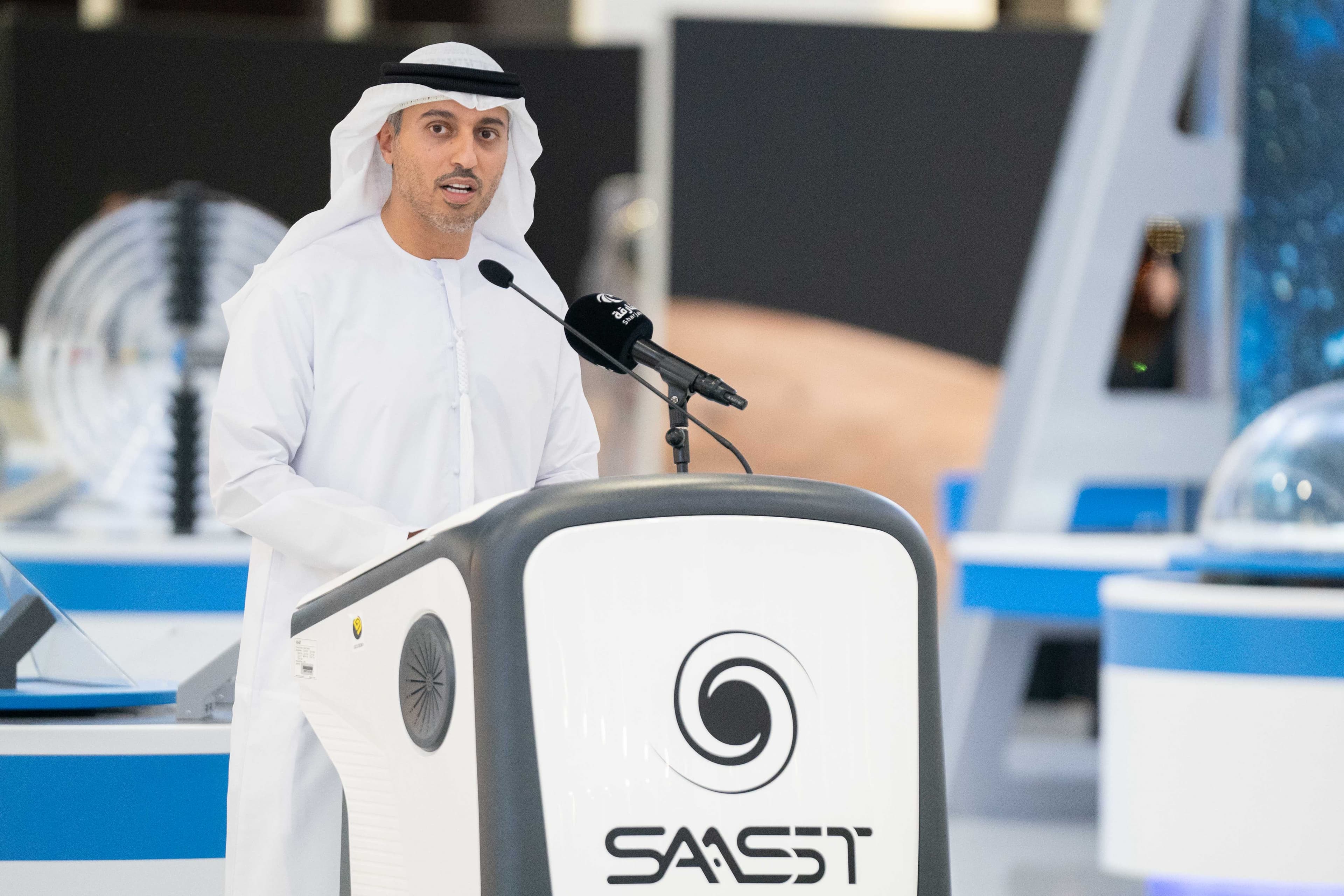
H.E. Dr. Ahmad Abdullah Belhoul Al Falasi, Minister of State for Higher Education and Advanced Skills and Chairman of the UAE Space Agency, also addressed the gathering. He congratulated the UAE and the wider Arab world on this scientific milestone, thanking the nation’s leadership for its constant support in nurturing future generations and educational institutions. Dr. Al Falasi noted that the UAE is entering a new era in which it transitions from being an importer of scientific knowledge to a producer and exporter of research and analysis. He added that the new projects would generate comprehensive scientific reports and data on meteor trajectories, thereby advancing astronomical research and discovery.
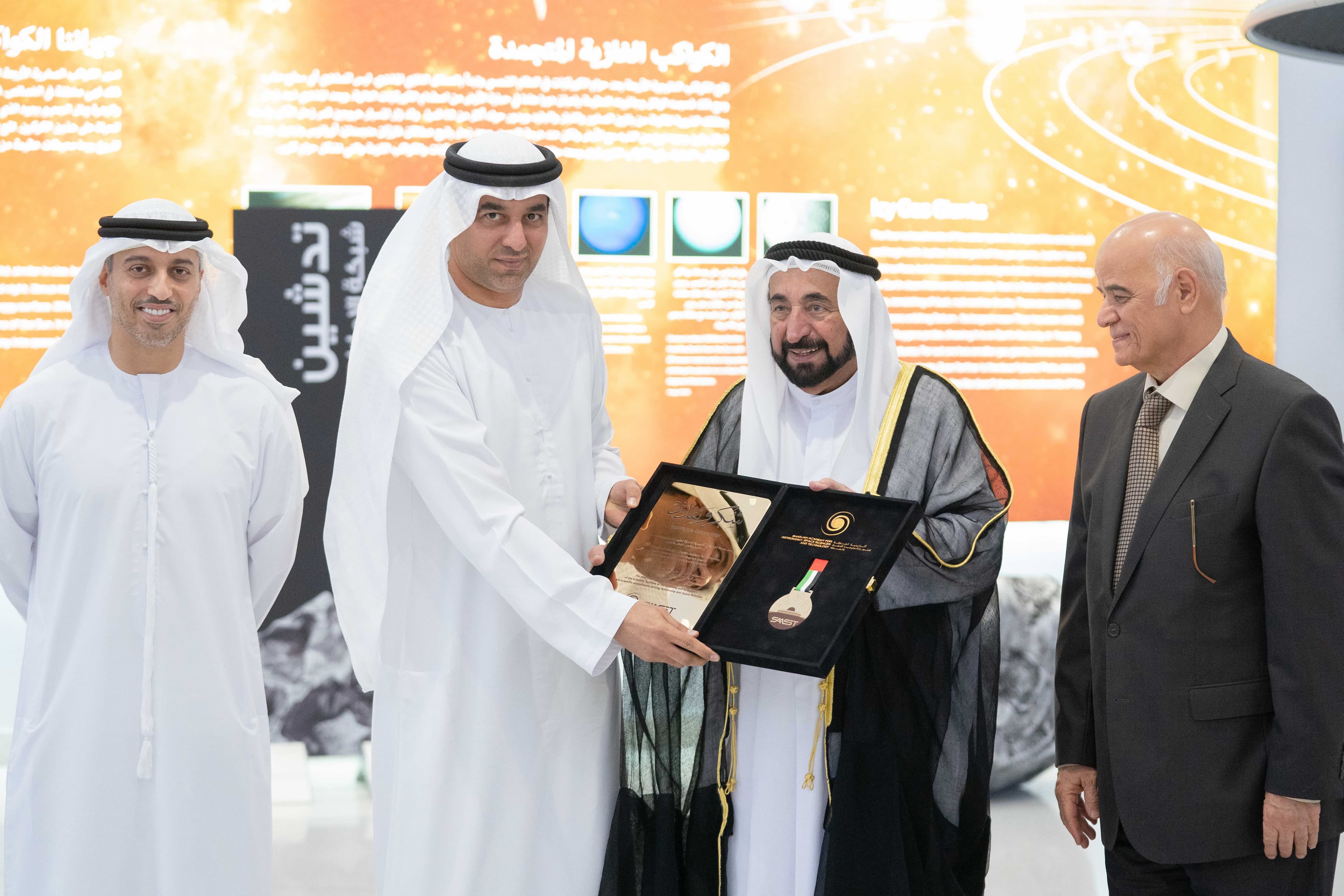
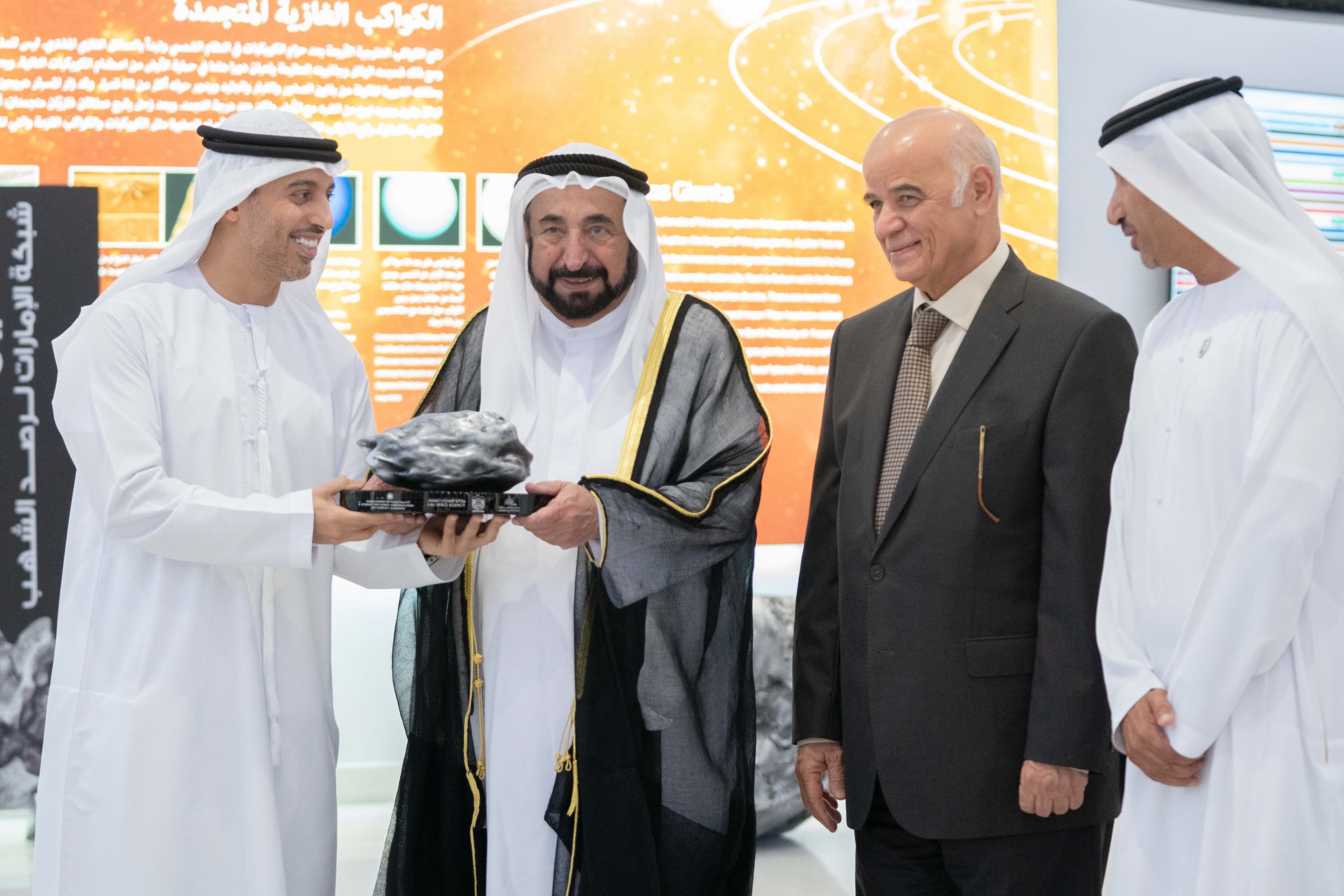
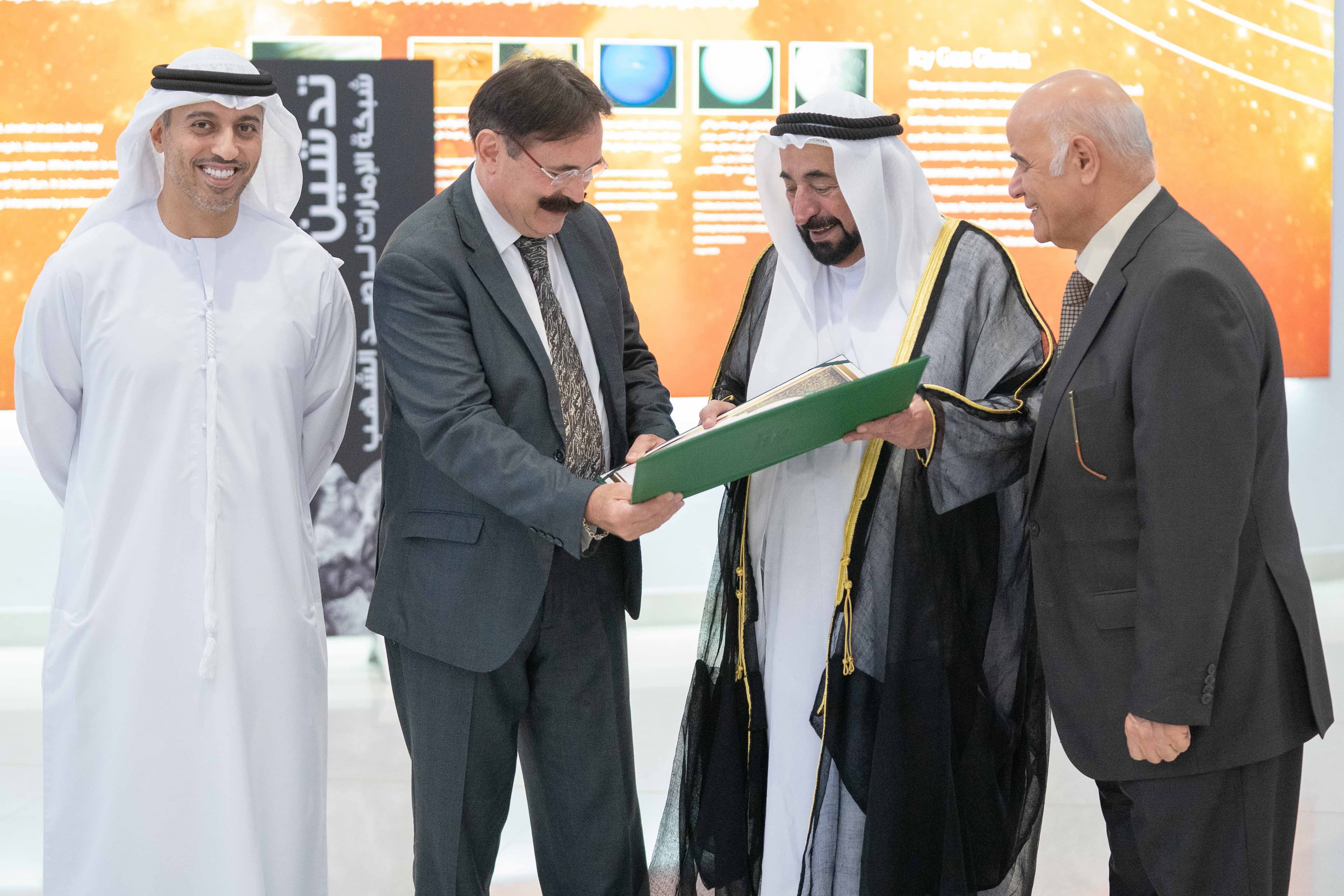
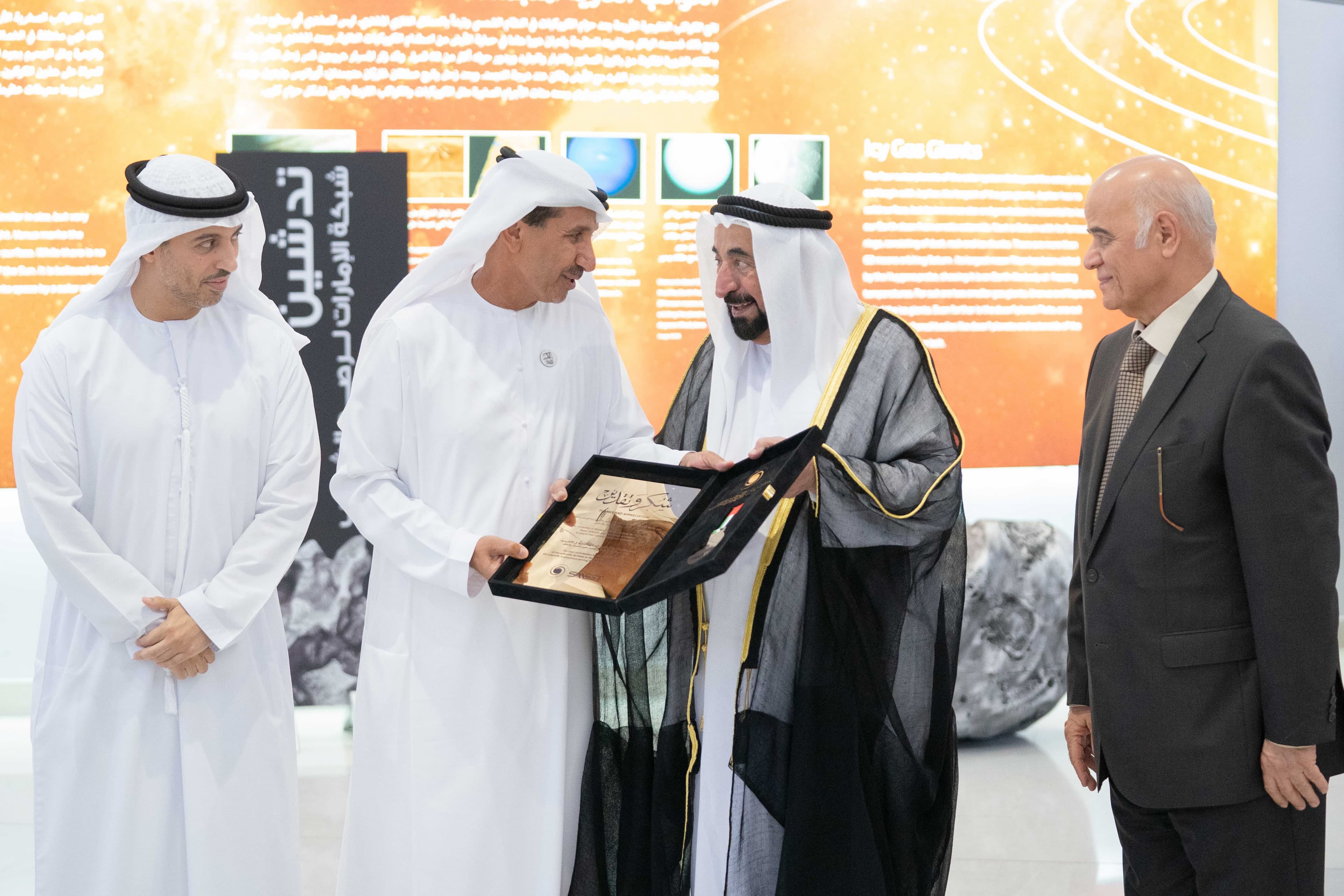
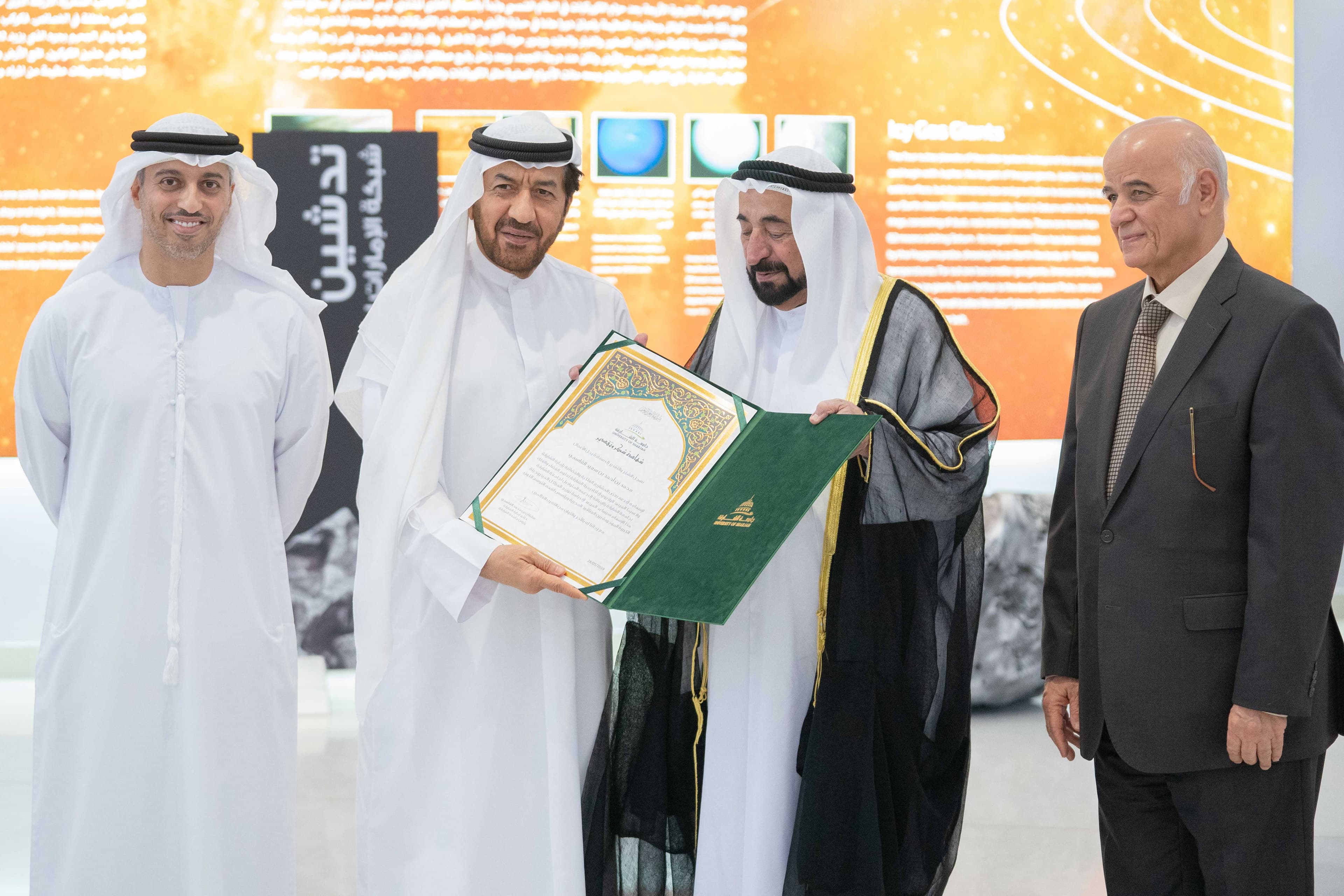
His Highness Sheikh Dr. Sultan bin Mohammed Al Qasimi honored several individuals and institutions who contributed to these projects, including Prof. Victor Prakas, businessman Mohammed Saeed Al Qasimi, the National Centre of Meteorology, and the UAE Space Agency. His Highness also received a commemorative gift from the UAE Space Agency in appreciation of his leadership and enduring support.
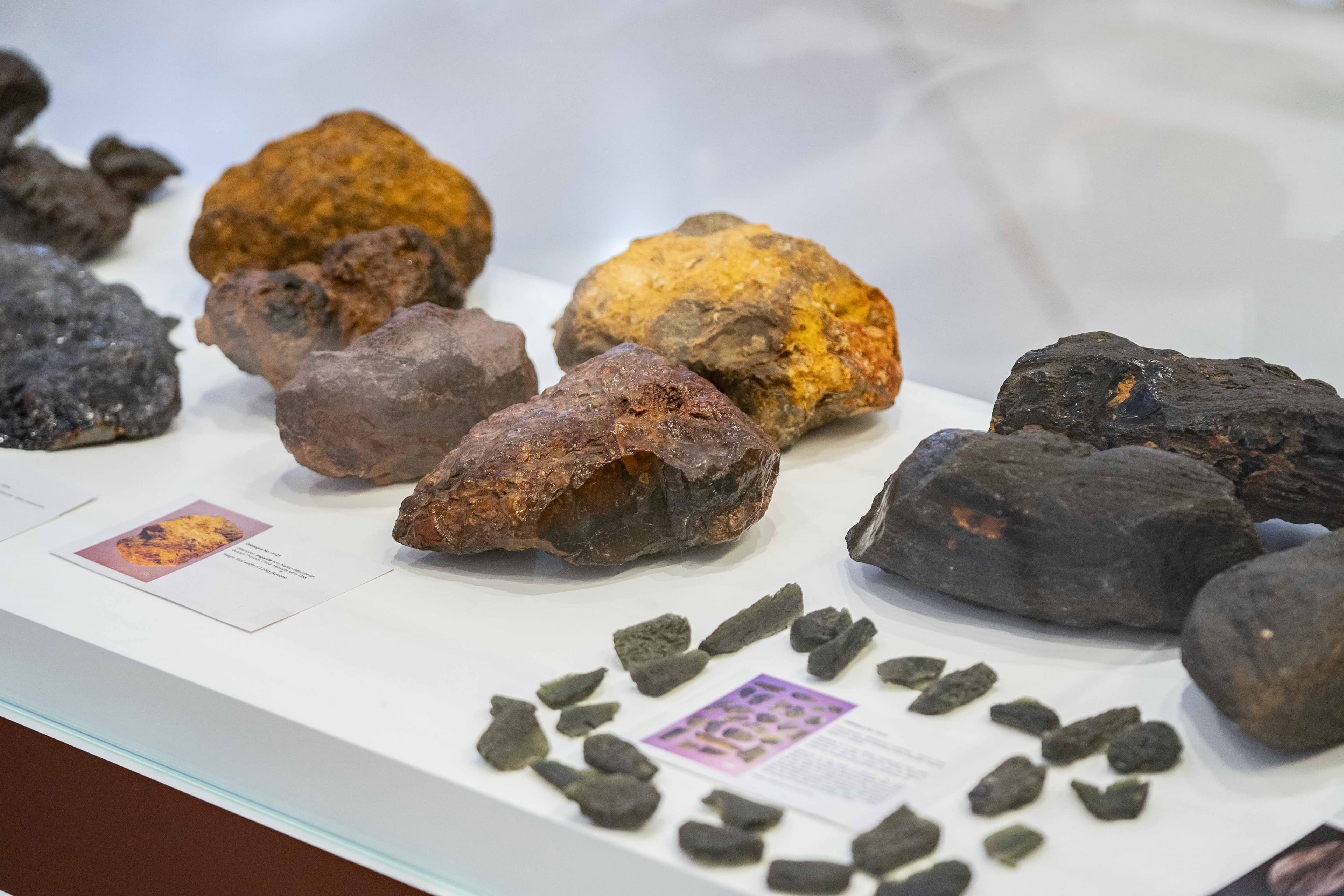
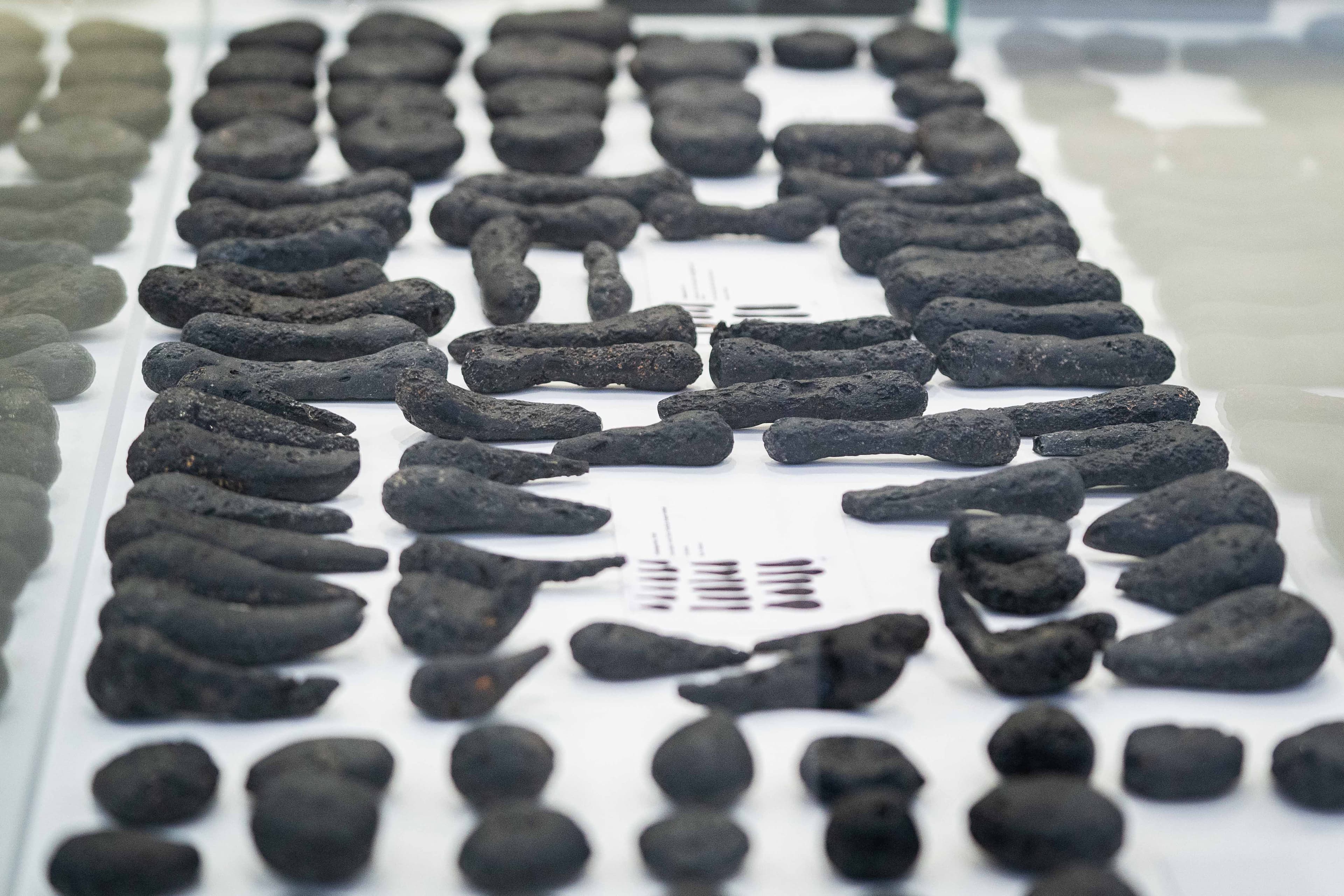
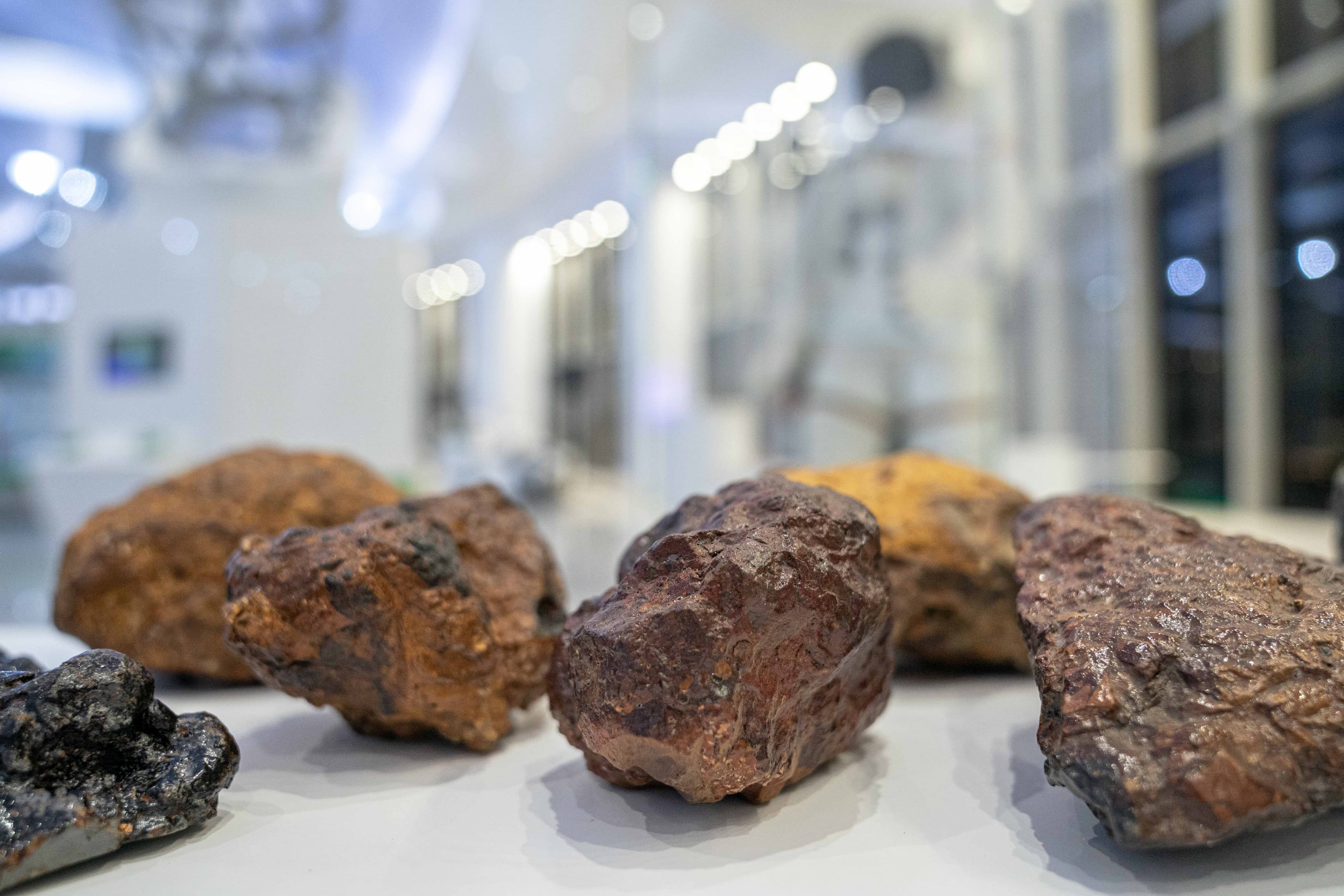
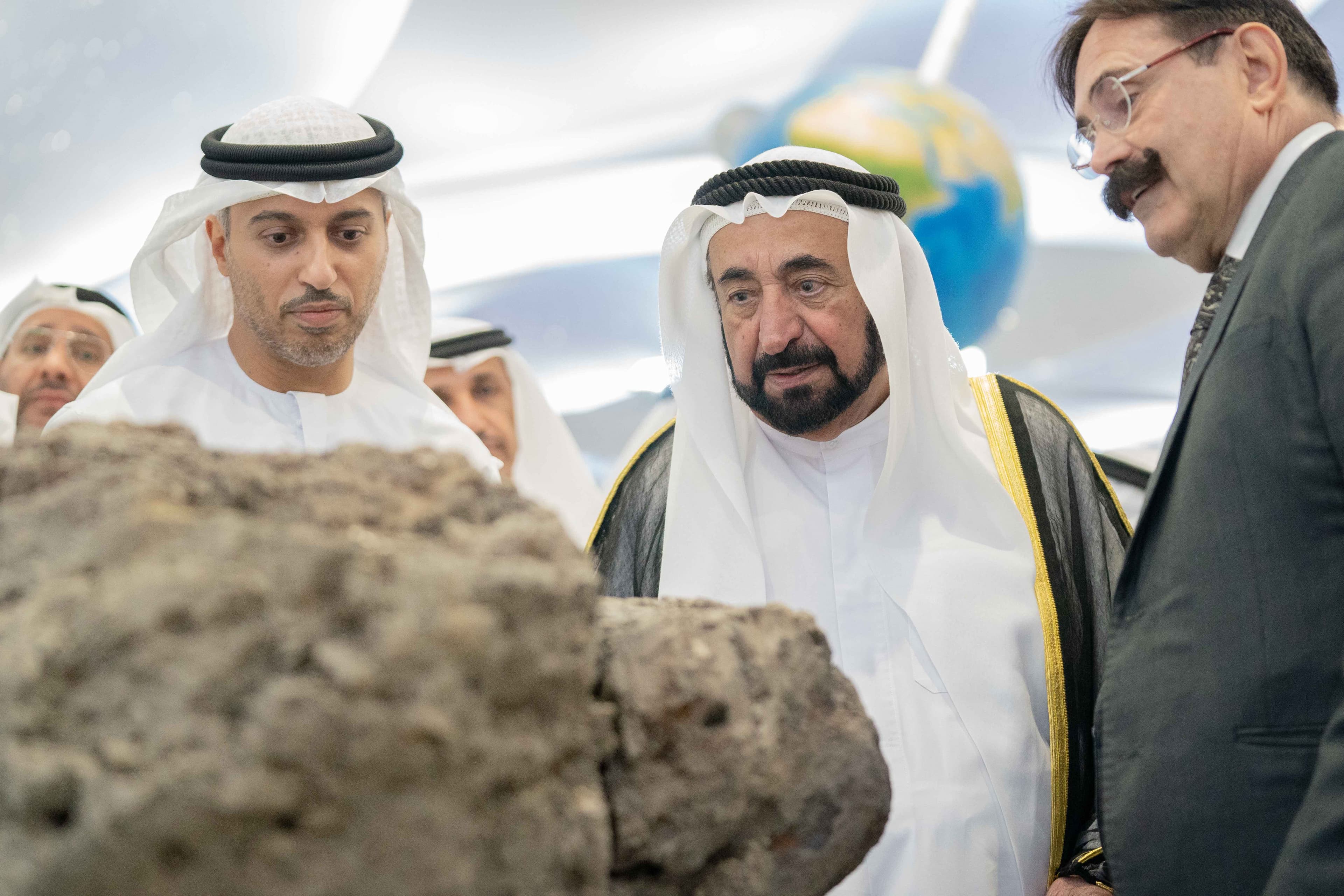
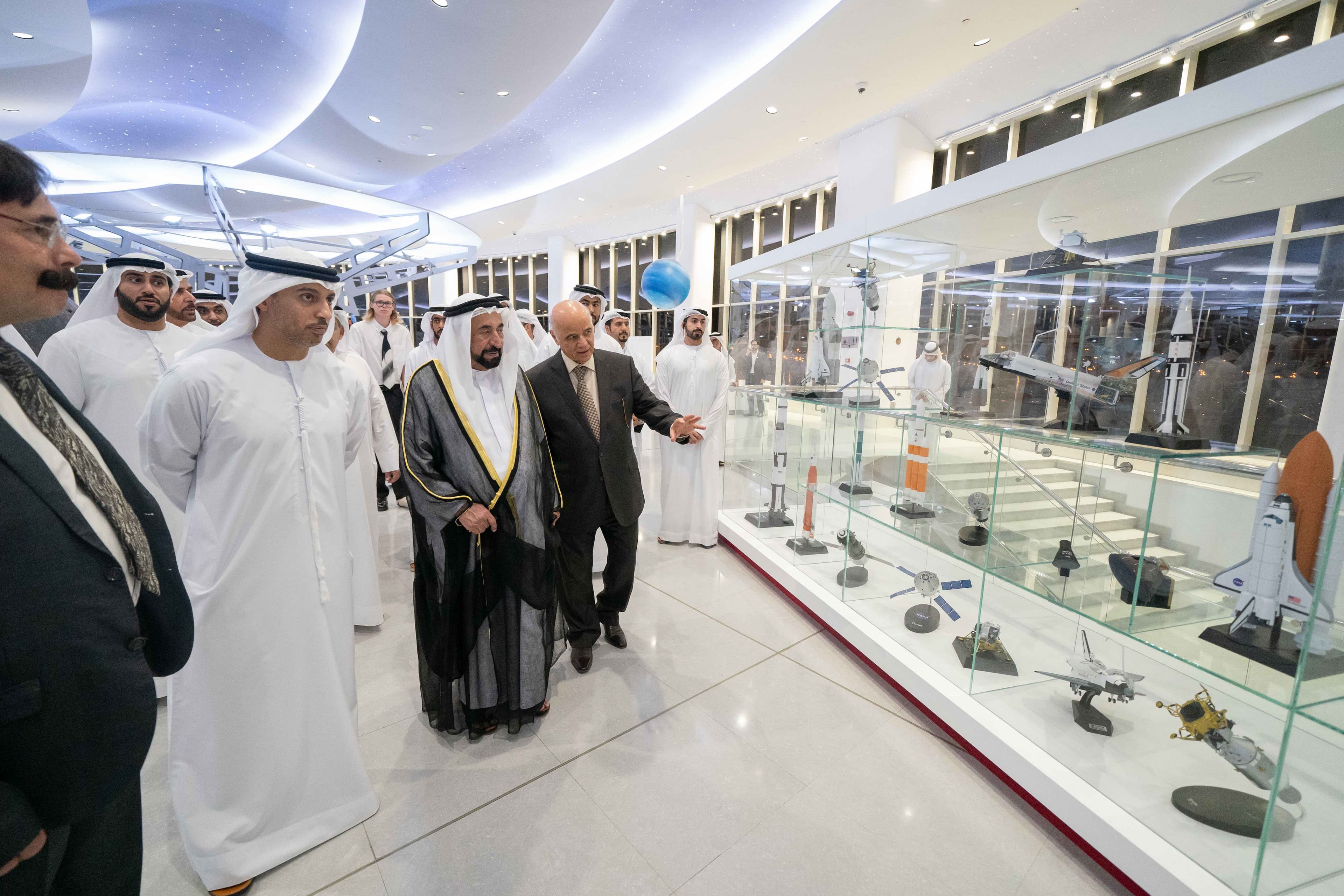
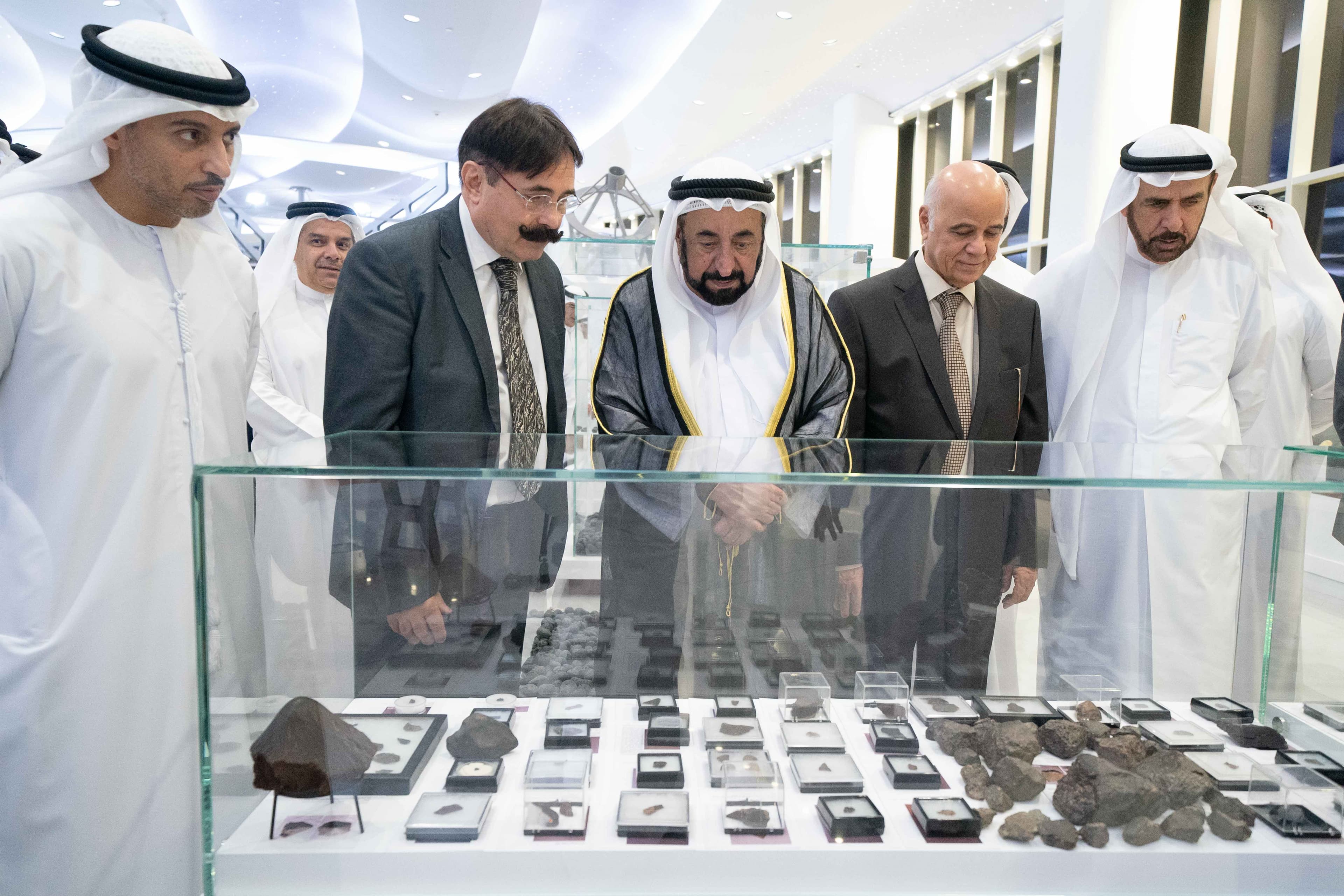
During the ceremony, His Highness inaugurated the Meteorite Collection Exhibition, featuring the world’s largest assemblage of over 8,000 meteorite specimens of varied origins, including stony, lunar, Martian, and achondrite types. The collection provides an exceptional opportunity to study the origins and evolution of the solar system, as meteorites preserve the physical imprints of cosmic processes dating back more than 4.6 billion years. Through their analysis, scientists can determine crucial data such as formation temperature, pressure conditions, and proximity to the sun during the early stages of the solar system’s development.
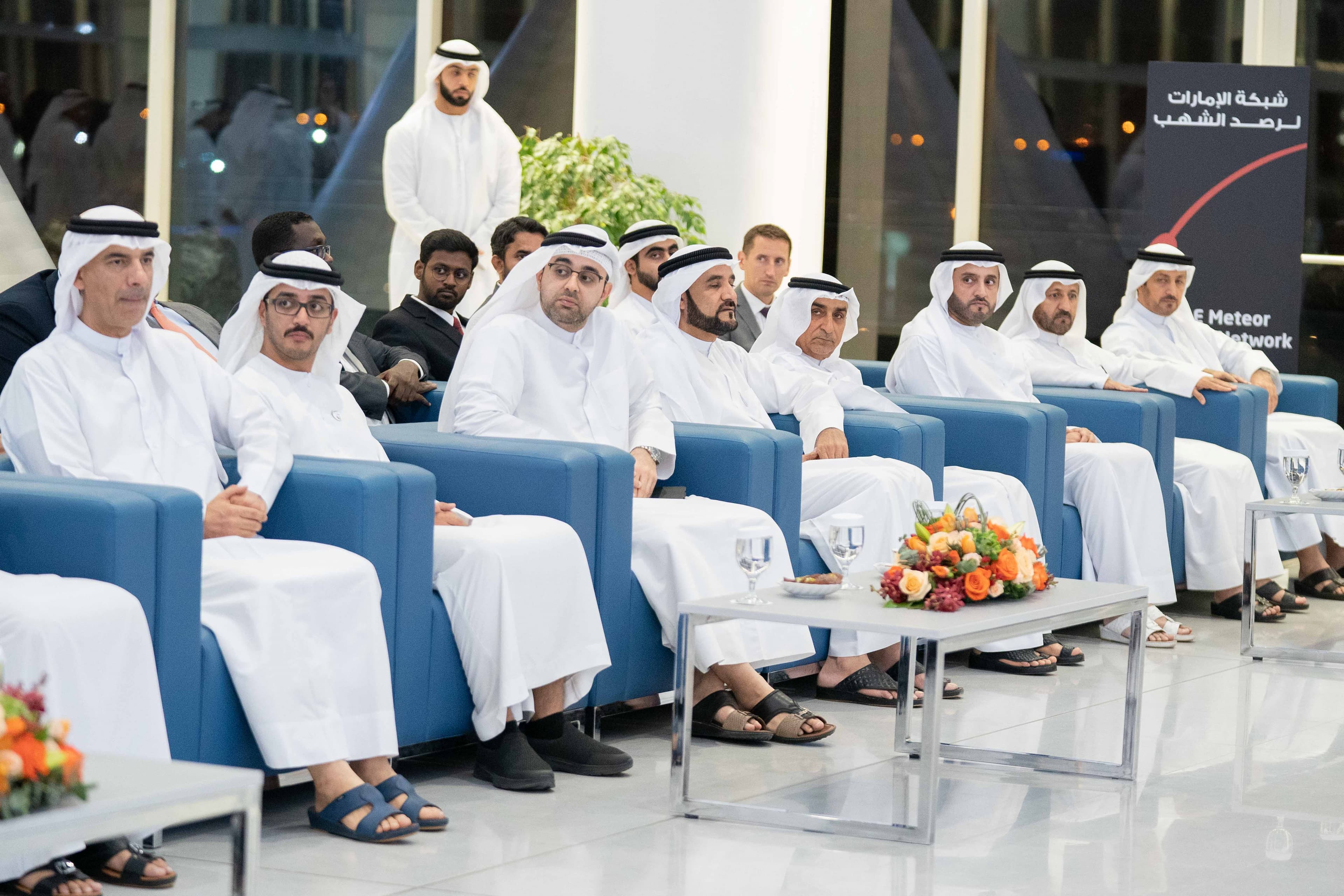
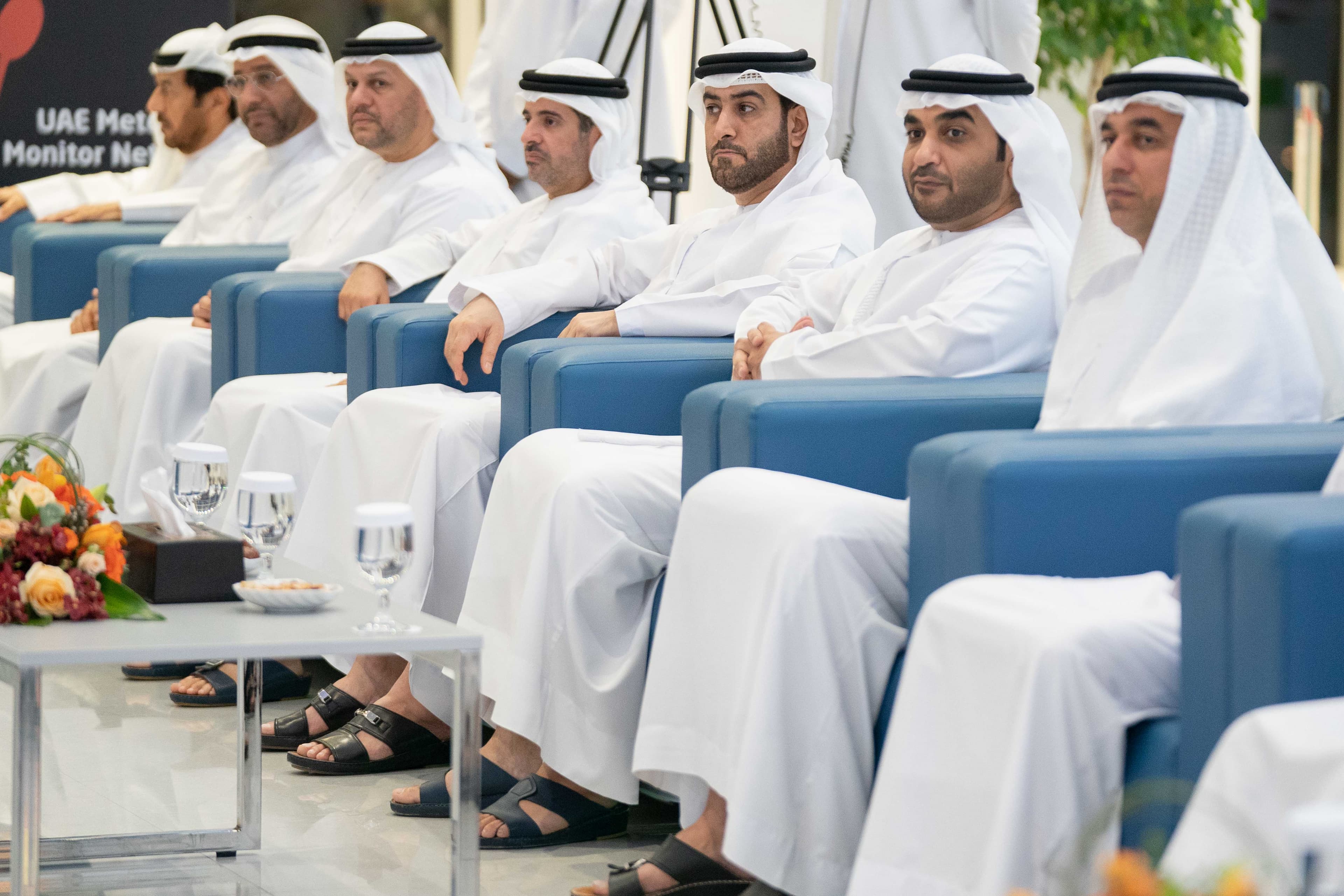
The ceremony was attended by government and university officials, including H.E. Khamis bin Salem Al Suwaidi, Chairman of the Department of Suburbs and Villages Affairs; H.E. Abdullah Mohammed Al Owais, Chairman of the Department of Culture; Dr. Tarek bin Khadem, Chairman of the Human Resources Department; H.E. Ali Salem Al Midfa, Chairman of the Sharjah Airport Authority; H.E. Abdullah Ali Al Mehan, Chairman of the Sharjah Health Authority; H.E. Khalid Jassim Al Midfa, Chairman of the Sharjah Commerce and Tourism Development Authority; H.E. Mohammed Obaid Al Zaabi, Chairman of the Department of Protocol and Hospitality; Dr. Rashid Al Leem, Chairman of the Sharjah Electricity, Water and Gas Authority; H.E. Ali Al Marri, President of the Dr. Sultan Al Qasimi Centre; Dr. Mohammed Al Ahbabi, Director General of the UAE Space Agency; and a number of senior officials, researchers, and specialists in the fields of space and astronomy.
Activity Highlights