Global
University of Sharjah Hosts International Symposium on Human Rights in the Digital Age
The University of Sharjah marked Human Rights Day by hosting an international symposium titled “Human Rights in the Digital Age: Toward an Advanced Arab Approach to the Right to Education and Development.” The event was organized in cooperation with the Arab Charter on Human Rights Committee at the League of Arab States and the Union Association for Human Rights in the United Arab Emirates, bringing together leading experts, academics, national and international institutions working on digital rights, as well as representatives from the private sector and technology companies.
The symposium set out to examine how rapid digital transformation is reshaping human rights, and to address emerging challenges around privacy, data protection, educational equity, cybersecurity, AI, and the widening digital divide in Arab societies. Speakers explored how these shifts are redefining access to education and development, and how legal and policy frameworks can keep pace with accelerating technological change.
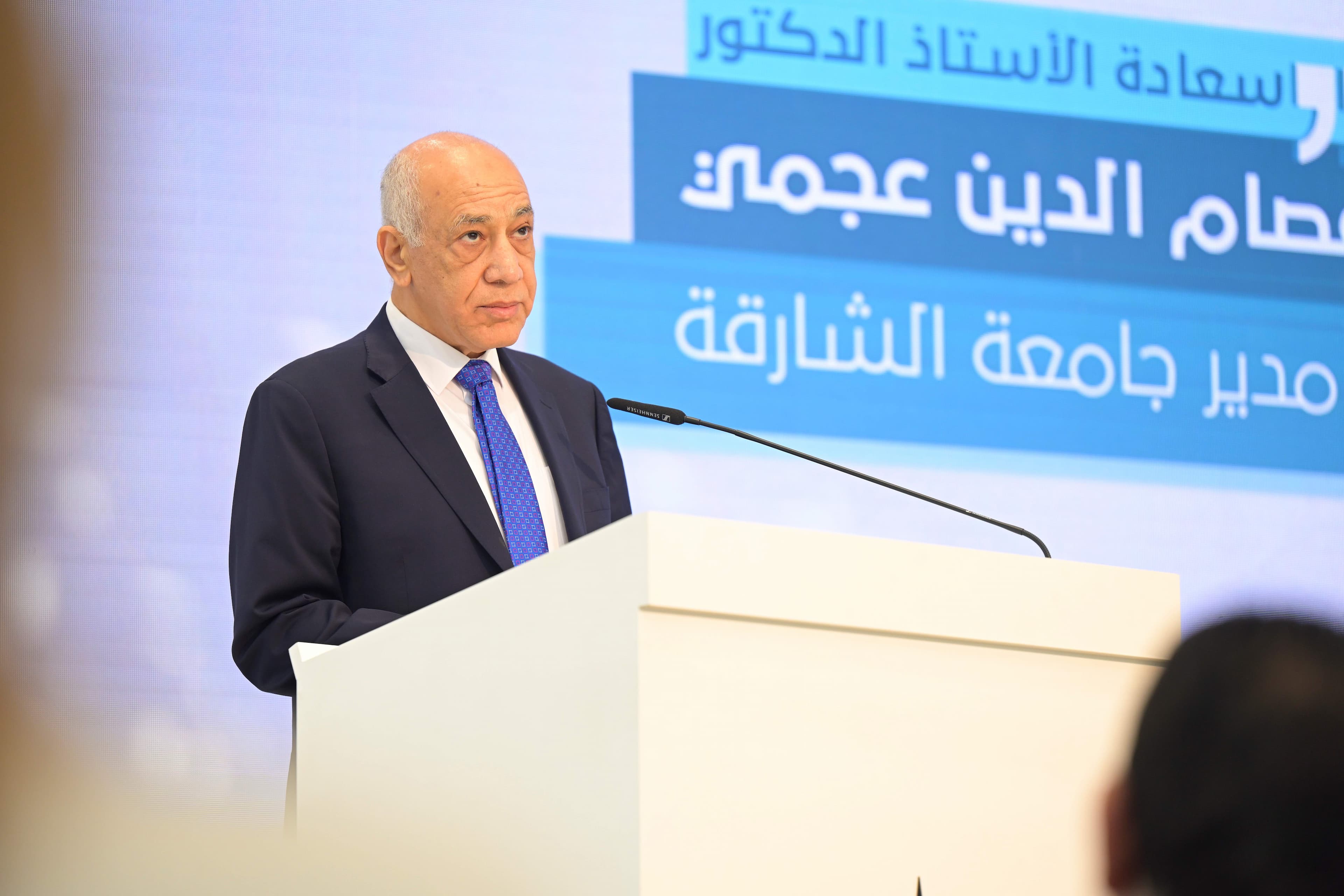
In his opening remarks, H.E. Prof. Esameldin Agamy, Chancellor of the University of Sharjah described the symposium as a timely platform for discussing one of the most pressing issues of the digital era. He noted that technology now intersects with almost every aspect of human life, from education and economic development to privacy, identity, and fundamental rights. He stressed that, in line with its scientific and societal mission, the University of Sharjah works through its academic programs, research partnerships, and intellectual contributions to support all initiatives that strengthen the future of education and development in the region. He also underlined the urgent need for an advanced legal framework that keeps pace with technological progress, protects personal data, promotes a safe digital space, and guarantees equitable access to quality digital education for all.
In her address to the gathering, H.E. Dr. Fatima Al Kaabi, President of the Union Association for Human Rights stated that the United Arab Emirates has become a model for harnessing technology in the service of people and a standard reference in the field of human rights. Moreover, she outlined the ethical dimensions of digital transformation and artificial intelligence and called for the development of an international convention on digital rights in a world where technology evolves faster than traditional legislation can respond.
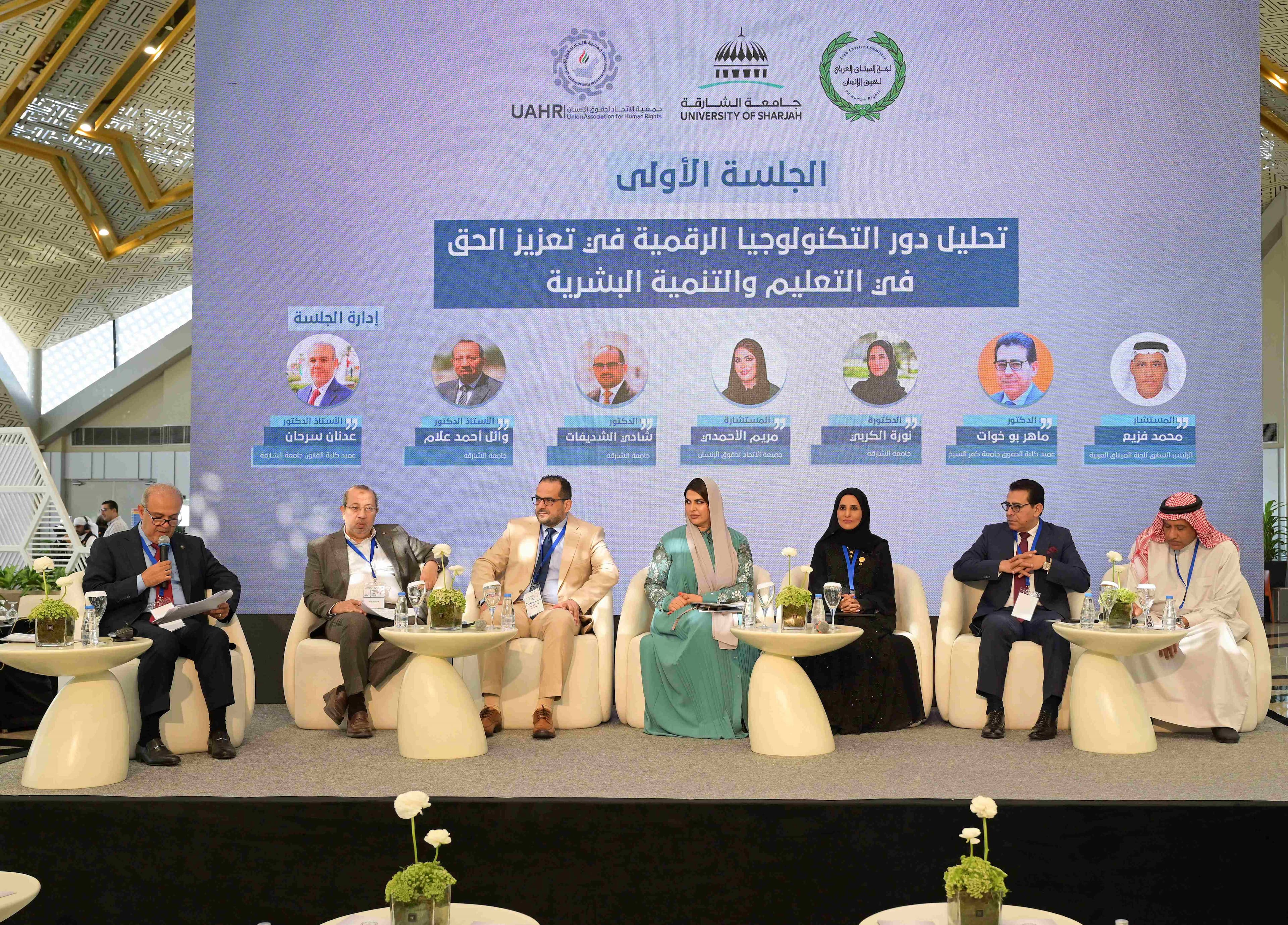
Papers presented during the symposium emphasized the importance of developing a joint Arab action to safeguard human rights in digital environments and to strengthen legislation that reflects technological realities. The first session, titled “Digital Technology and the Promotion of the Right to Education,” was moderated by Prof. Adnan Sarhan, Dean of the College of Law at the University of Sharjah. It examined how the digital revolution is transforming the education sector and its impact on human development. Discussions covered laws and policies governing digital education, the effect of the digital divide on equal educational opportunities, prospects for blended and distance learning, the role of digital platforms in human rights education, smart solutions to empower children and persons with disabilities, and the need for an Arab legal vision of the right to digital education. Speakers included Prof. Wael Ahmed Allam, Prof. Shadi Adnan, a representative of Mohammed bin Rashid Schools of Digital, Ms. Maryam Al Ahmadi, Prof. Maher Abu Khawat and legal adviser Mr. Mohammed Fzeia.
The second session, “Digital Transformation and Human Rights in the Arab Region,” was moderated by Dr. Wissam Basindawa, President of the Arab Initiative for Education and Development. It explored the broad implications of digital transformation for the human rights landscape in the Arab world, particularly considering the Global Digital Compact adopted by the United Nations at the Summit of the Future in 2024. The session addressed international and regional legal frameworks for digital rights, challenges related to data protection and privacy, the impact of artificial intelligence on fundamental freedoms, the balance between cybersecurity and the protection of liberties, leading Arab experiences in building safe digital spaces, the role of digital media in promoting freedom of expression and the prospects for turning digital principles into a binding international convention. Contributors included speakers from the University of Sharjah, the technical secretariat of the Arab Charter Committee, Mohamed bin Zayed University of Artificial Intelligence, United Arab Emirates University, the United Nations Journalists Union, and the Union Association for Human Rights.
The symposium also witnessed the launch of the “UAE Declaration on Digital Rights and Principles,” which expresses a shared Arab vision and supports the Union Association for Human Rights’ proposal for an “Emirates Declaration on Digital Rights and Principles.” This initiative is intended as a foundational step toward the future development of a binding international convention on digital rights.
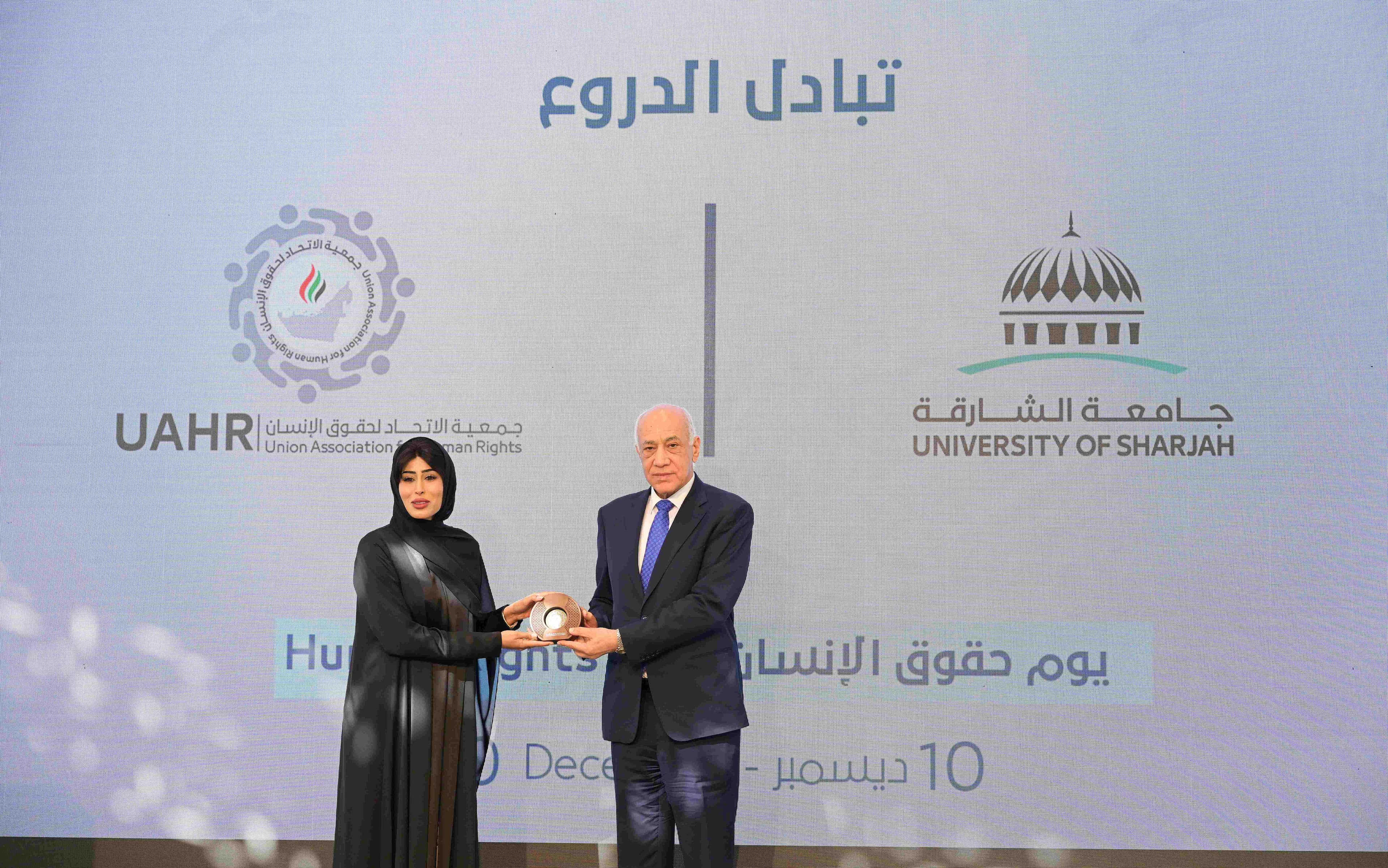
Furthermore, participants agreed to establish a joint committee including experts and specialists from the University of Sharjah and the Union Association for Human Rights to develop a framework and memorandum of understanding for academic programs and joint cooperative activities that support the country’s efforts in the field of human rights. The symposium concluded by underscoring the urgent need for a unified Arab approach that strengthens the protection of human rights in the digital age and keeps pace with rapid technological advances. Organizers called for continued regional and international dialogue on digital rights and for deeper cooperation among academic, human rights and governmental institutions, so that the Arab world can play an active role in shaping a more just and sustainable digital future.
Share
Quick Links
Activity Highlights