Global
University of Sharjah Holds Its Annual Graduate Student Orientation, Showcasing Its Research Infrastructure and Academic Programs
Nearly 100 graduate programs, advanced research facilities and a growing international publication ecosystem take center stage at the University’s annual orientation.
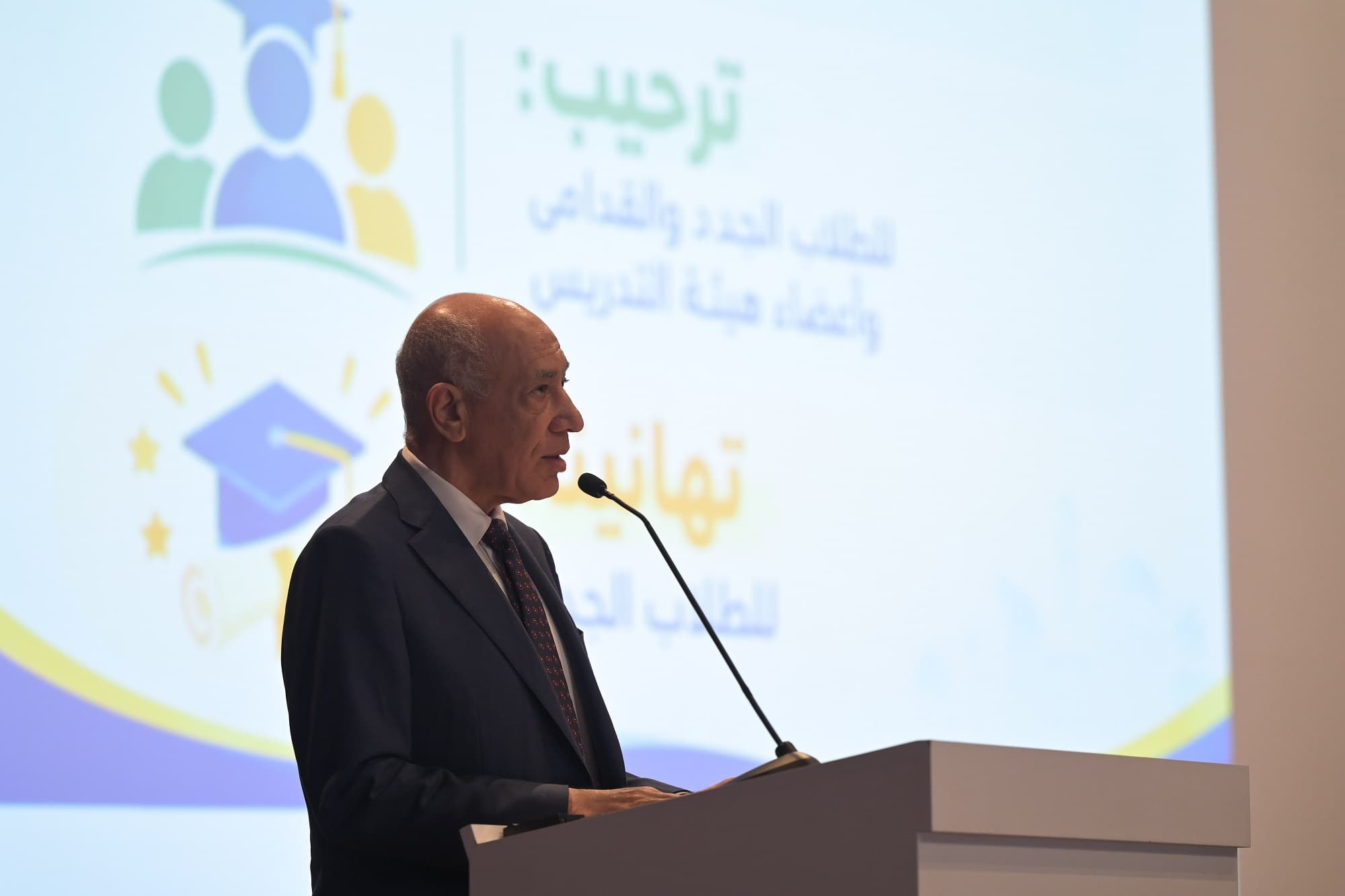
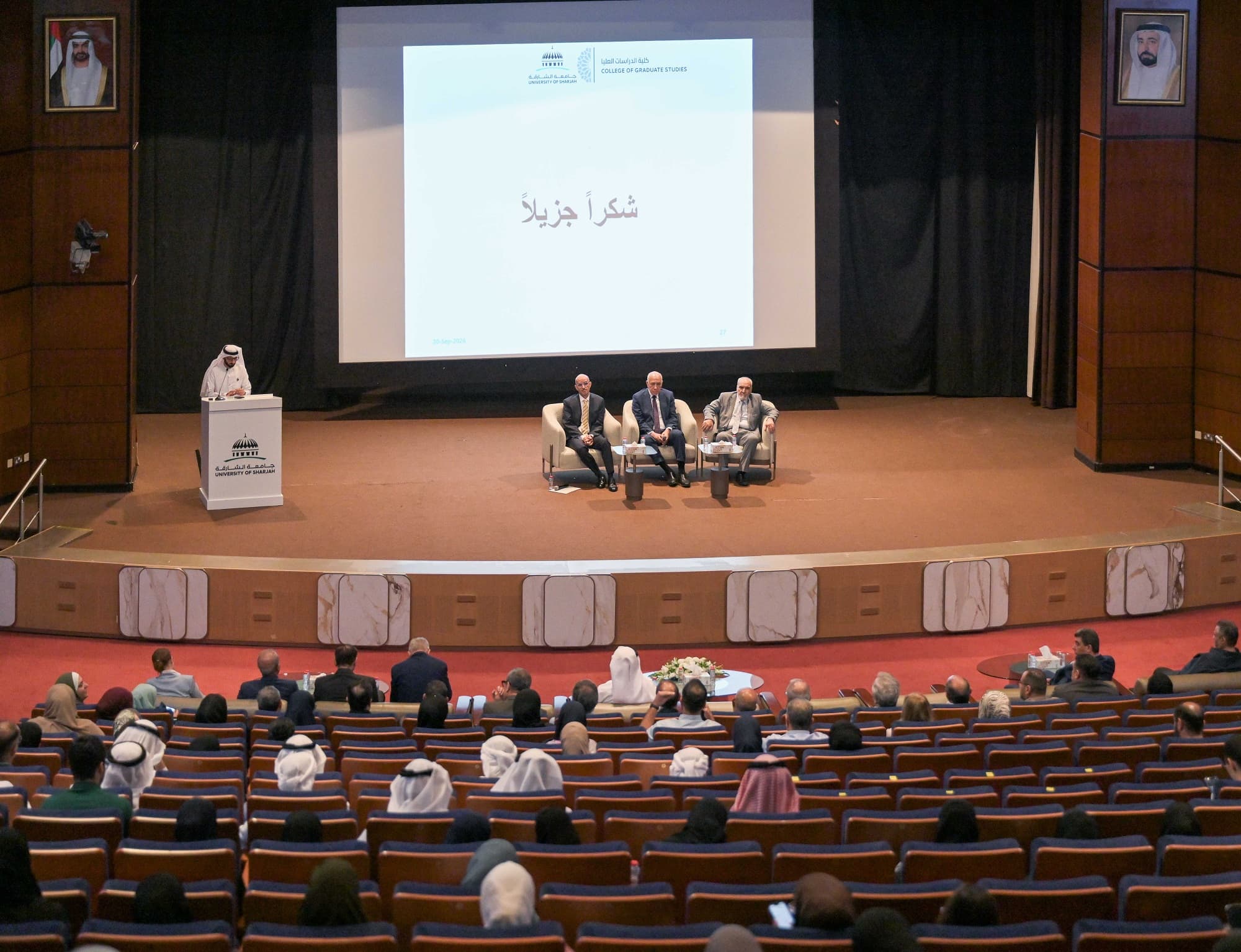
The University of Sharjah has welcomed a new cohort of graduate students with a message of ambition, rigor and public purpose, highlighting the University’s expanding academic offerings and research infrastructure during its annual orientation forum for master’s, doctoral and diploma students. The event, organized by the College of Graduate Studies, was attended by His Excellency Prof. Esameldin Agamy, Chancellor of the University of Sharjah, along with vice chancellors, deans and faculty. The gathering introduced new and continuing students to the University’s academic and research resources while addressing practical aspects of graduate study and the needs of early-stage researchers.
100 Graduate Programs Meet the Aspirations of Researchers and Employers
In his opening remarks, Prof. Agamy conveyed the greetings of His Highness Sheikh Sultan bin Ahmed Al Qasimi, Deputy Ruler of Sharjah and President of the University of Sharjah. He emphasized that graduate students represent the nation’s future and are among its most important drivers of sustainable development. He also welcomed both incoming and continuing students, describing graduate study as a pivotal stage in the lives of individuals and communities alike. He said it offers a scholarly and professional path through which researchers generate knowledge and develop innovative responses to challenges facing institutions and society. Further, he stressed that the University’s mission is to prepare a generation of scientists and researchers capable of serving their countries and communities.
Prof. Agamy also noted the University’s significant expansion in accredited academic offerings. This year, he added, the University is offering nearly 100 graduate programs across a broad range of scientific and humanities disciplines, designed to meet the aspirations of researchers and respond to the evolving needs of the labor market. He encouraged students to embrace the principles of rigorous scientific inquiry, rooted in accuracy, integrity and objectivity. He also urged them to make full use of the University’s research resources and to connect their work to the real needs of their communities, ensuring that their research produces practical and meaningful solutions. Addressing continuing students, Professor Agamy reaffirmed the University’s commitment to listening to their ideas and the challenges they encounter, describing student feedback as an essential foundation for strengthening graduate education in the years ahead.
Research and International Publication Ecosystem
Prof. Maamar Bettayeb, Vice Chancellor for Research and Graduate Studies, offered guidance to help students and researchers complete their theses and dissertations within the prescribed time frames.
His remarks addressed the responsible use of artificial intelligence applications and reviewed the principles and practices of publishing in leading international journals. He also underscored the importance of involving graduate researchers in research groups and teams operating under the University’s specialized research institutes in medicine, engineering and the humanities, which bring together multidisciplinary centers and research teams.
A Culture of Innovation
Prof. Raafat El-Awadi, Dean of the College of Graduate Studies, described the annual forum as an interactive platform that brings together researchers, academic supervisors and university leadership to discuss matters of shared concern.
He affirmed the University’s commitment to preparing graduate students in accordance with the highest standards of excellence and in ways that align with the demands of today’s labor market. He also presented figures and statistics reflecting the progress achieved by the University in research and graduate education in recent years.
Prof. El-Awadi encouraged students to take an active role in the classroom by participating in scholarly discussions, posing research-oriented and critical questions, and engaging in the research activities and events organized by the college and the University. He also encouraged them to build broad professional and academic networks. He further highlighted the administrative structure responsible for graduate affairs and outlined channels for communicating with academic supervisors to help students overcome potential challenges. He also noted that the University’s libraries offer access to current books, references and major international databases, providing graduate students with an environment conducive to creativity, innovation and scientific inquiry.
Dialogue and Direct Engagement
The orientation concluded with an interactive discussion session in which students and researchers shared their ideas and proposals. Participants discussed academic and research challenges and explored the solutions and support services offered by the University’s colleges and administrative units to help remove obstacles and foster a productive and successful research journey
Share
Quick Links
Activity Highlights