Global
University of Sharjah Explores the Use of AI to Speed the Discovery of Advanced Materials
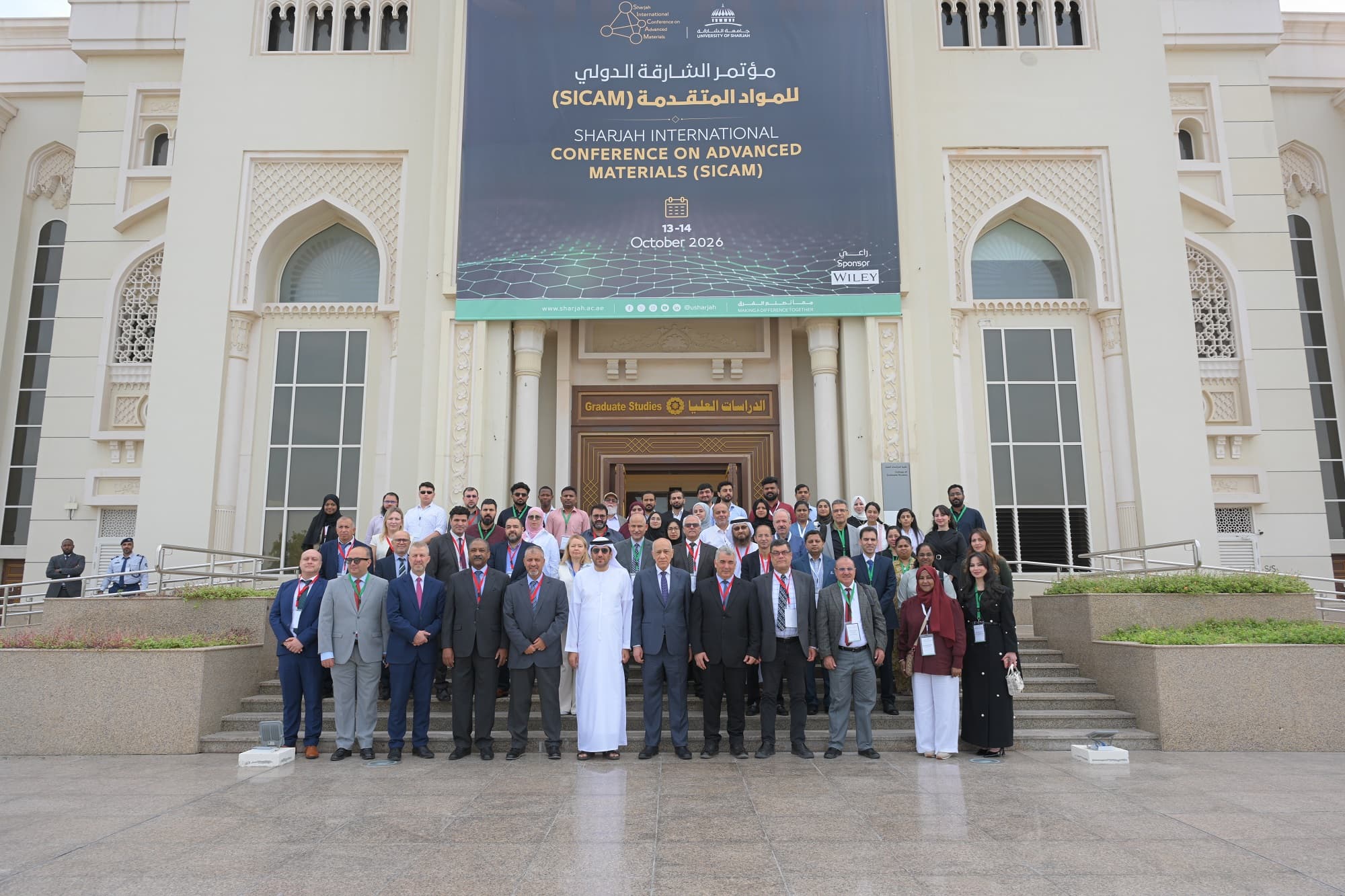
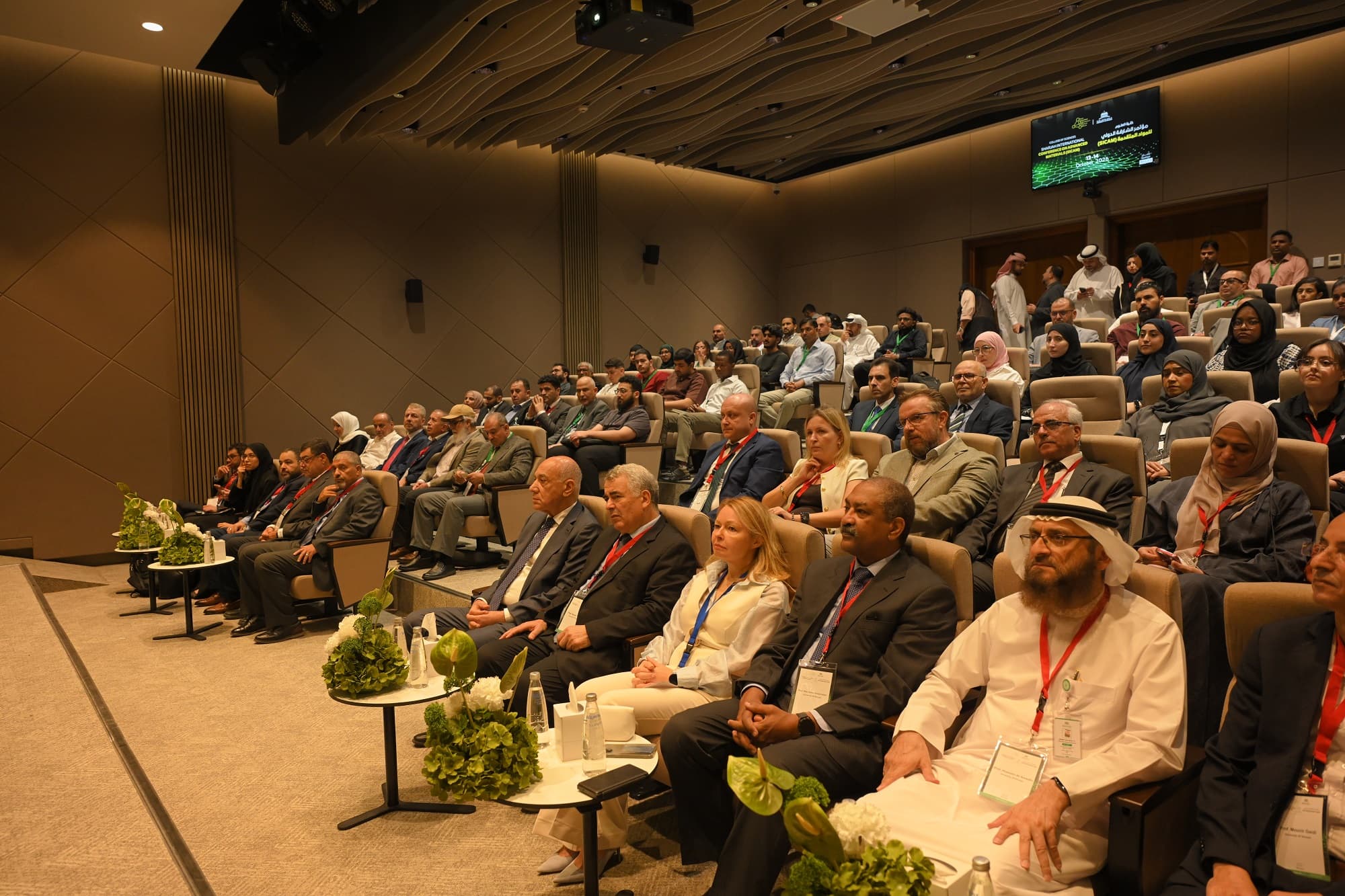
The second Sharjah International Conference on Advanced Materials 2026 (SICAM26) opened at the University of Sharjah (UoS), bringing together leading scientists, researchers, academics, and specialists from universities, research institutions, and industry from across the globe. Organized by the College of Science over two days, the conference featured more than 100 scientific papers, along with workshops and parallel research sessions on innovative and sustainable solutions in energy, water, health, and technology, as well as the opportunities offered by AI and advanced computing to accelerate the discovery of advanced materials, understand their properties, and develop their applications.
The conference was inaugurated by H.E. Prof. Esameldin Agamy, Chancellor of the University of Sharjah, who expressed his gratitude to H.H. Sheikh Dr. Sultan bin Ahmed Al Qasimi, Deputy Ruler of Sharjah, and President of the University of Sharjah, for his guidance and continued support in strengthening the University’s research standing. Advanced materials research, he said, seeks to design materials and understand their properties in ways that can enable cleaner energy generation, safer water supplies, improved health care, and more responsible use of resources. He emphasized the importance of such research to the United Arab Emirates’ knowledge economy, and the need to connect fundamental research with technological development and practical application.
Prof. Agamy added that the University regards international conferences as a strategic investment in its research community. The conference, he said, aligns with the UoS’s focus on research excellence, international collaboration, innovation, and societal impact which form central pillars of its mission. Direct scientific exchange, he noted, allows researchers to discuss hypotheses, compare methodologies, and build the trust on which lasting partnerships depend. Artificial intelligence, computational modeling, and advanced experimental methods, he added, are opening new paths to discovery and accelerating the translation of promising materials into practical solutions.
Prof. Nouar Tabet, Dean of the College of Science, Acting Vice Chancellor for Academic Affairs, and chair of the scientific committee, delivered a presentation on the role of advanced materials in scientific and technological progress, tracing the evolution of materials from the Stone Age to the Silicon Age. Prof. Olga Volkova of the Faculty of Physics at Lomonosov Moscow State University in Russia then presented on new and advanced materials, highlighting how materials design and the optimization of their properties contribute to the development of modern technologies.
The conference also included ceremonies honoring speakers and sponsors, as well as the announcement of the winners of the Wiley Award for Academic Excellence.
Over the two days, the program featured presentation and panel discussions on specialized topics in advanced materials, including advanced techniques for studying and characterizing materials; materials for water treatment and desalination; nanoengineered materials and their applications; materials computation, and computational modeling; energy-storage technologies; biosensors; and smart materials. The program also included specialized workshops on advanced analytical techniques and a poster session that allowed researchers to present their findings and exchange expertise and ideas, strengthening opportunities for scientific collaboration, building local and international research partnerships, and developing joint research projects.
On the sidelines of the conference, participants visited the laboratories of the Center for Advanced Materials Research, where they learned about the University’s modern technologies and research capabilities. They also visited the Sharjah Planetarium at the University’s Sharjah Space and Astronomy Hub (SSAH), where they were introduced to its facilities and scientific and research capabilities.
Share
Quick Links
Activity Highlights