Global
University of Sharjah Earns First-of-Its-Kind Accreditation for Health Professions Education Doctorate
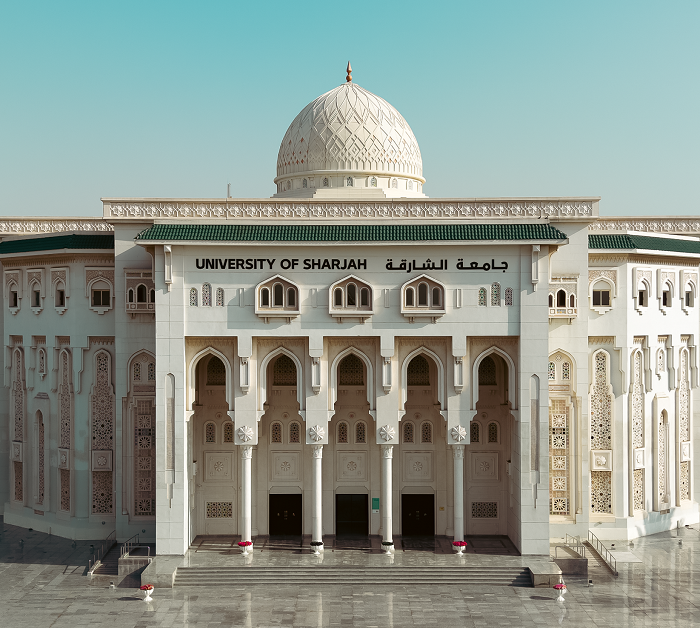
The University of Sharjah’s Ph.D. in Health Professions Education has received advanced-level international accreditation from the Academy of Medical Educators in the United Kingdom, becoming the first doctoral program of its kind to receive the academy’s accreditation.
Offered by the University’s College of Medicine in collaboration with the University of Dundee in Scotland, the program had previously earned accreditation from the United Arab Emirates’ Commission for Academic Accreditation (CAA). This international recognition marks a further step in its efforts to meet academic quality standards and strengthens the University’s regional and international standing.
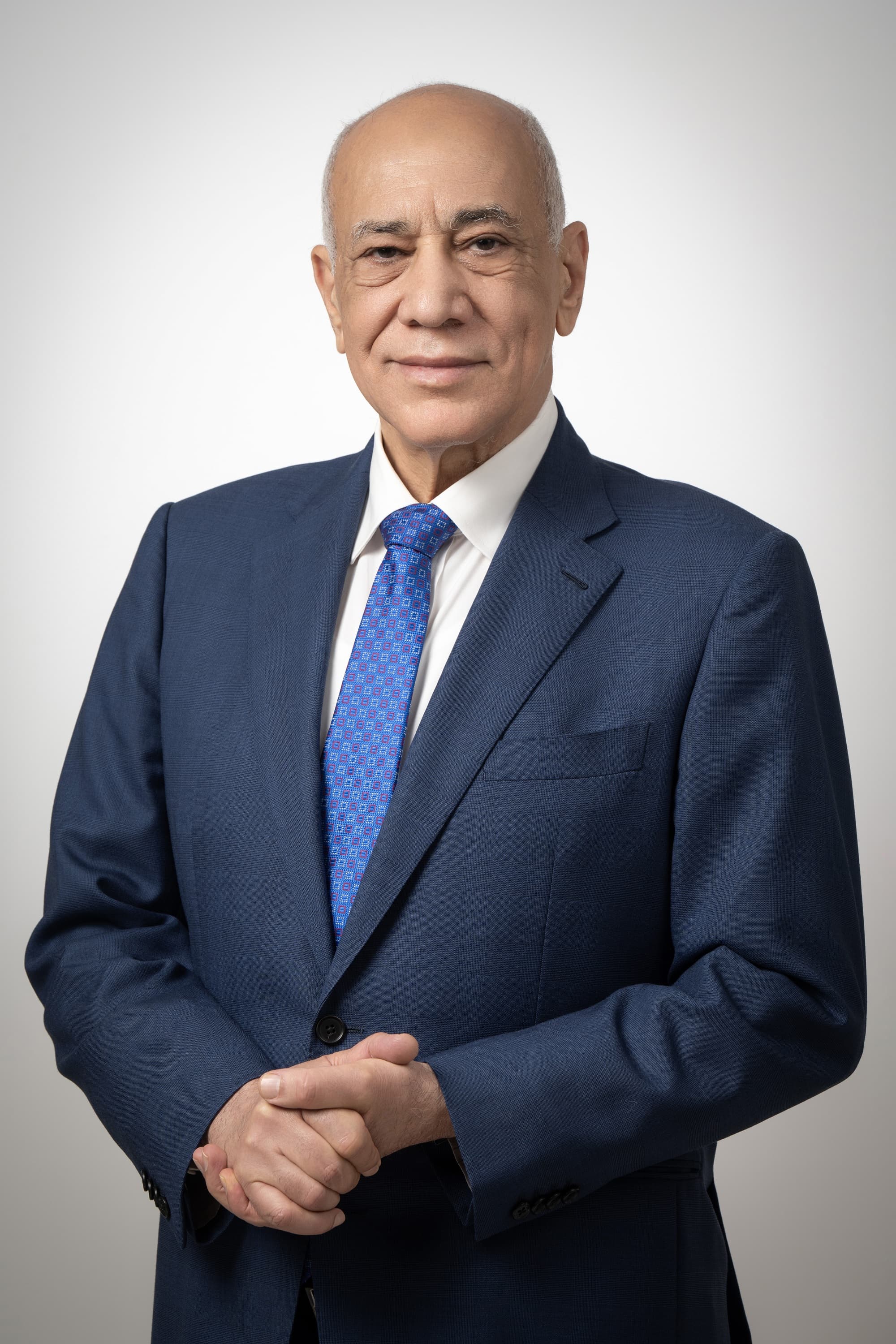
H.E. Prof. Esameldin Agamy, Chancellor of the University of Sharjah, described the program accreditation as a significant achievement that reflects the University’s sustained commitment to improving its academic programs and advancing graduate education and research in line with the highest international standards. He explained that the achievement supports the vision of H.H. Sheikh Dr. Sultan bin Ahmed Al Qasimi, Deputy ruler of Sharjah and President of the University of Sharjah, to establish the institution as a leading university and a center of excellence in education and research.
Prof. Agamy added that the recognition underscores the University’s commitment to developing qualified national talent and strengthening leadership and research capabilities in vital fields, contributing to sustainable development and a better quality of life. The University, he said, continues to invest in specialized academic programs that respond to changing community needs and keep pace with rapid developments in education and health care, reinforcing higher education’s role in creating lasting benefits nationally and regionally.
Prof. Mohamed Elshobari, Acting Dean of the College of Medicine, said the program uses innovative teaching strategies to address rapid changes in health professions education. These include integrating modern technologies and AI tools into teaching and learning to help students improve educational practices in academic and health care institutions. The program follows a flexible, blended learning model that combines in-person and online instruction, he said, while providing opportunities for ongoing interaction with faculty through advanced learning platforms. It also emphasizes applied research, educational innovation and collaboration across health disciplines, aligning learning outcomes with national and regional priorities.
Dr. Mohamed Hassan Taha, coordinator of the doctoral program and director of the University’s Medical Education Center, said the accreditation marks an important milestone in the development of health professions education at UoS. It also underscores the value of preparing specialized academics and researchers who can improve educational and research practices in academic and health care settings.
The doctoral program received its international accreditation in October 2026, following the accreditation of the Master’s in Leadership in Health Professions Education program by the same academy in March 2024. Dr. Taha said the two milestones reflect sustained efforts to develop graduate education in the field and improve its outcomes. He added that the doctoral program provides graduates with membership in the Academy of Medical Educators, connecting them to a specialized professional community and opening opportunities for professional and academic development.
The Ph.D. in Health Professions Education is among the specialized programs offered by the University of Sharjah’s College of Medicine. Through advanced study and research, it prepares academic and professional personnel to improve health professions education in response to the needs of communities and health systems across the Arabian Gulf region. The program aims to advance knowledge and educational practice, strengthen the effectiveness of academic and health care institutions, and improve the quality of medical education and patient care.
Share
Quick Links
Activity Highlights