Global
Sultan bin Ahmed witnesses MoU signing between UOS and Tamayuz Award
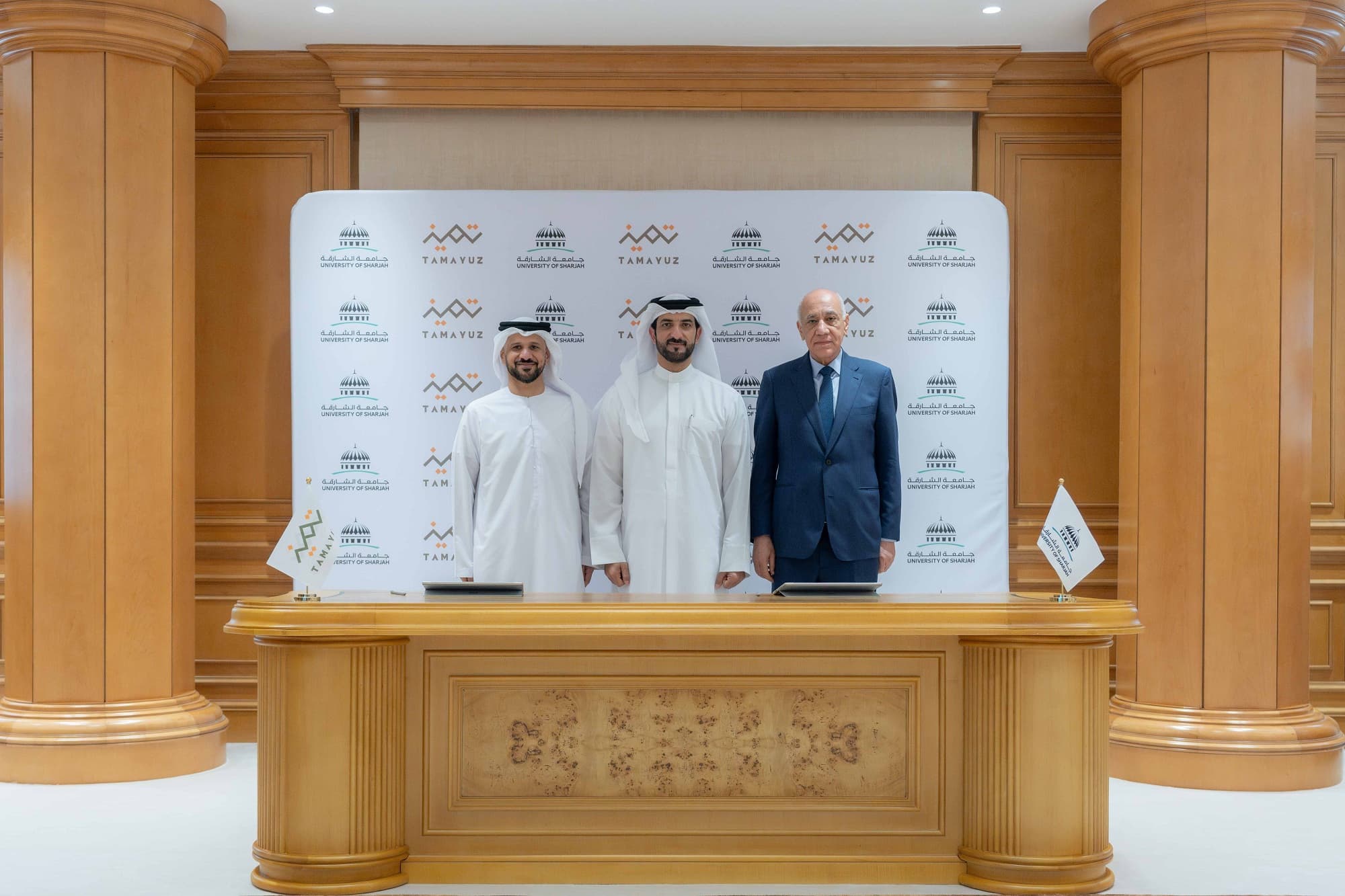
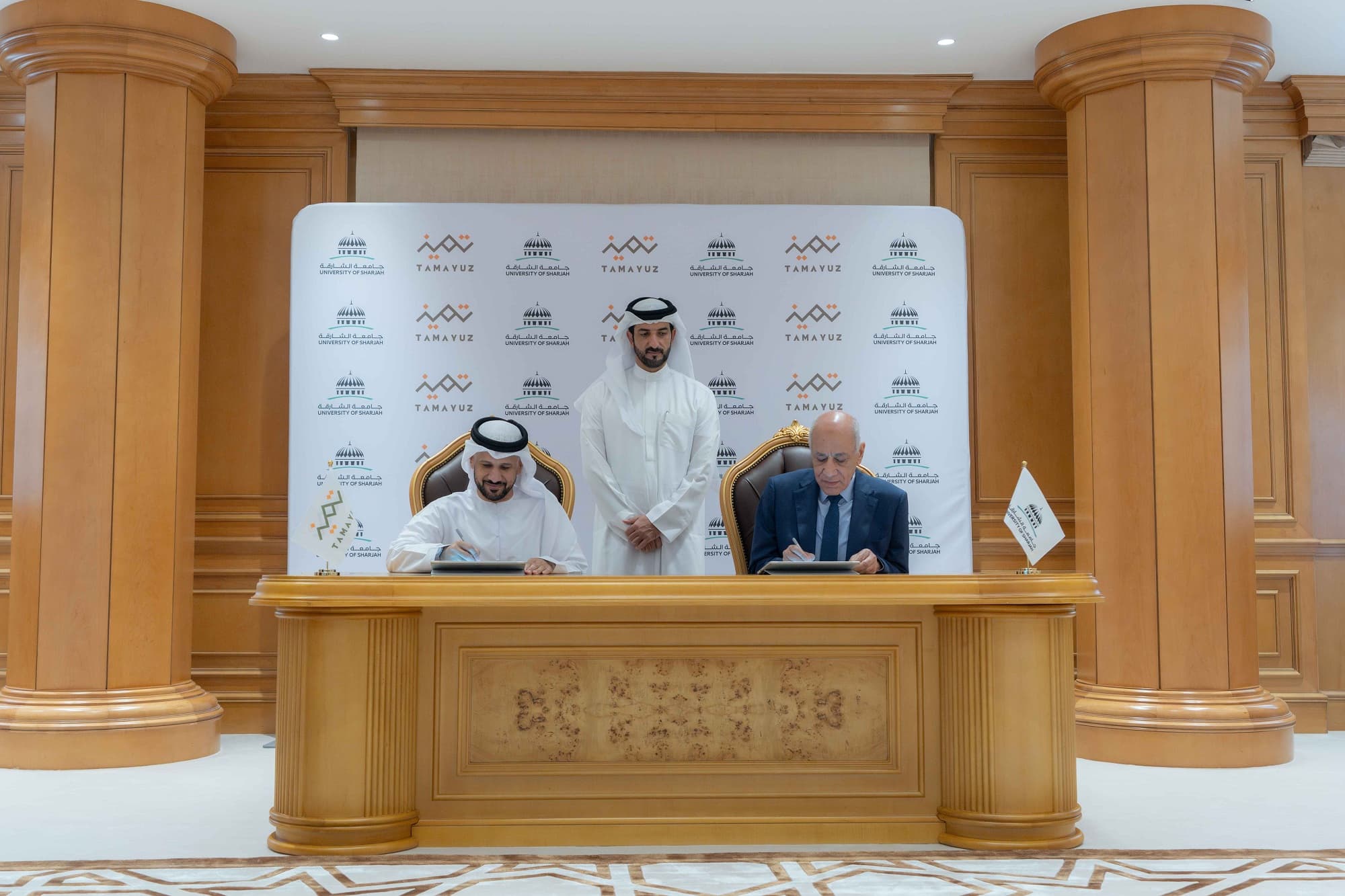
His Highness Sheikh Sultan bin Ahmed bin Sultan Al Qasimi, Deputy Ruler of Sharjah, President of the University of Sharjah (UOS), and Chairman of the Tamayuz Institutional Excellence Award, witnessed on Thursday morning the signing of a memorandum of understanding (MoU) for a knowledge empowerment program in institutional excellence between the University of Sharjah and the Tamayuz Award, at his office at the University.
Enhancing excellence and quality across institutionsHis Highness emphasized the importance of the award and its role in supporting participating institutions, noting that recommendations from a previous brainstorming session have been adopted and are being implemented to further develop the award and enhance quality levels. He added that while all entities possess excellence, the award highlights the best among them and fosters a competitive environment that drives continuous improvement.
He also urged participating entities to benefit from reports of the first edition of the award to identify areas for improvement and to nominate employees for training programs that enable them to better support excellence and quality assurance in their institutions, wishing all success and expressing appreciation to supporting entities for their role in achieving the award’s objectives.
MoU signing and objectives
The MoU was signed by Mr. Hassan Yaqoub Al Mansouri, Director of the Tamayuz Award, and H.E. Prof. Esameldin Agamy, Chancellor of the University of Sharjah.
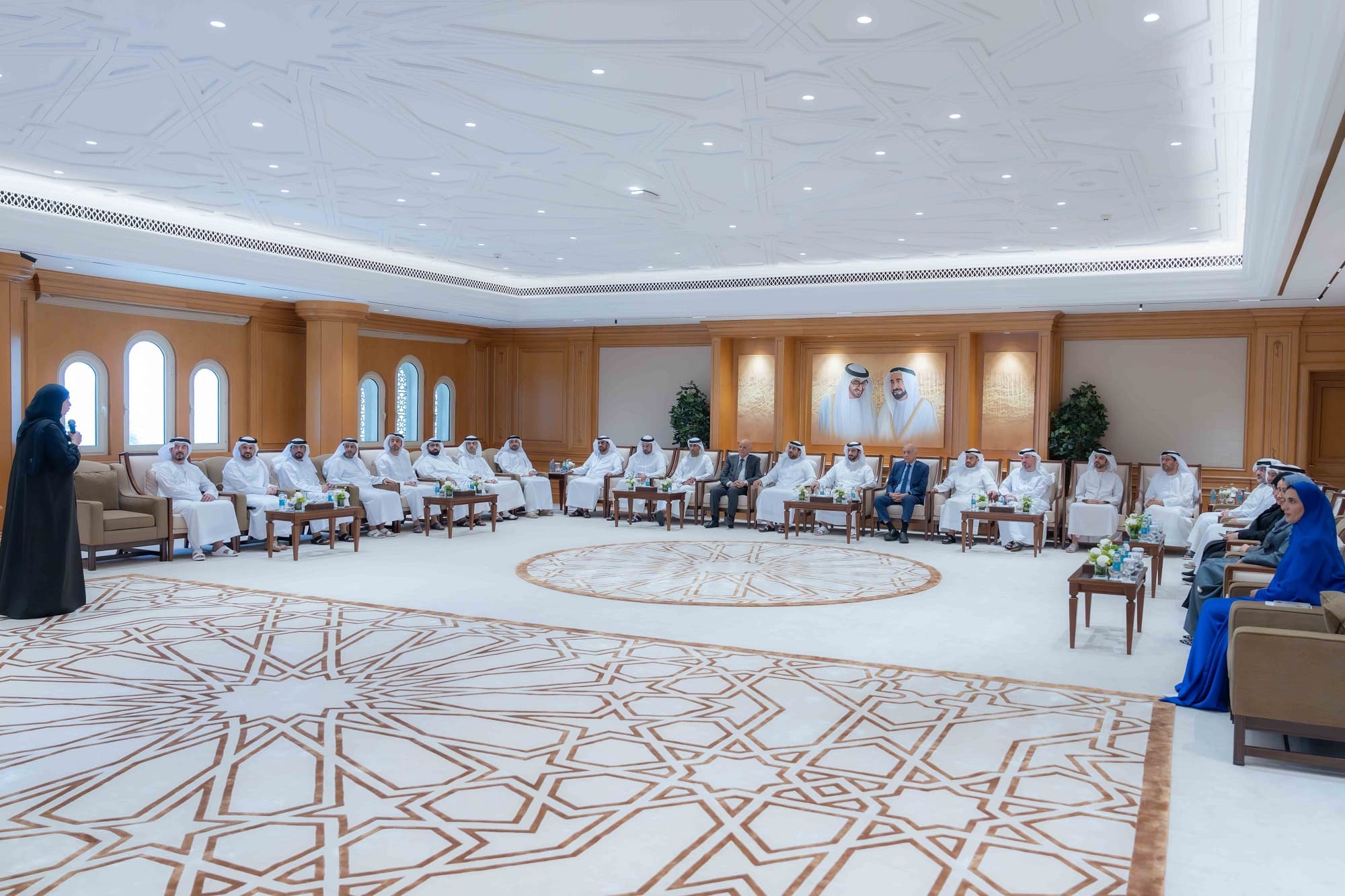
The agreement, witnessed by Sheikh Mohammed bin Ahmed Al Qasimi, Deputy Chairman of the Petroleum Department, and several senior officials, aims to develop human capital and qualify specialists in excellence fields. This will be achieved through specialized training programs, including the Institutional Excellence Diploma for teams and the Job Excellence Program for individuals which enable employees to build and submit excellence portfolios in line with approved evaluation standards.
Strategic partnership for sustainable excellence
The MoU also outlines the knowledge empowerment program’s scope while allowing for future development initiatives through separate agreements, ensuring continued collaboration. This step represents a key foundation for a strategic partnership aimed at improving institutional performance and embedding a culture of excellence as a sustainable practice.
Officials highlight impact of partnership
For his part, Hassan Yaqoub Al Mansouri, Director of the Institutional Excellence Award, Tamayuz, expressed his sincere appreciation to His Highness, the Award’s President, for his strong support of all institutions and his continued commitment to promoting a culture of development and excellence. He emphasized that this support serves as a key driver in achieving the highest levels of institutional performance.
Al Mansouri explained that the signing of the memorandum of understanding is one of the outcomes of a recent brainstorming session, which recommended a stronger focus on training and development. He also extended his thanks to the award’s sponsoring entities, noting that their contributions reflect the integration of roles between the public and private sectors. He added that such collaboration plays a vital role in enhancing the quality and efficiency of government services.
Meanwhile, H.E. Prof. Esameldin Agamy, Chancellor of the University of Sharjah, highlighted the importance of partnering with the Tamayuz Award, noting that it helps move institutions from theoretical frameworks to practical implementation. Further, he emphasized the role of such collaboration in strengthening teamwork, institutionalizing systematic approaches, and achieving sustainable performance through the training and development of employees across participating entities.
Prof. Agamy also praised the award’s diversity of specializations, describing it as a key strength and a valuable opportunity for participating institutions. He noted that its impact is already becoming evident through training and capacity-building programs, and through fostering a constructive competitive environment among entities. He concluded by wishing all participants success in achieving the award’s objectives.
Excellence as a culture and capability
Muna Al-Ghawi, general coordinator of the Tamayuz Institutional Excellence Award, emphasized that the launch of the Knowledge Empowerment Program in Institutional and Professional Excellence goes far beyond a mere training initiative. It embodies a core philosophy that true excellence is not bestowed but built on the solid foundations of science, knowledge and expertise. She further explained that the gap between institutions is no longer measured by resources alone, but by their ability to learn, adapt and cultivate capabilities from within. Real excellence isn't crafted by budgets or plans in isolation, but forged through relentless, continuous evolution, she added.
Al-Ghawi underscored that the Tamayuz award itself transcends a simple evaluation framework, serving instead as a powerful catalyst that compels organizations to rethink their priorities, raise their ambitions and embed excellence into everyday sustainable practice. The aim, she stressed, is not fleeting results but the creation of resilient institutions that are agile, prepared and confident in their capacity to adapt.
Training programs and outcomes
Dr. Asmaa Nusairi, director of the Centre for Continuing Education and Professional Development, presented an overview of the training programs that the center will offer to employees from organizations participating in the Tamayuz Excellence Award. She explained that the professional excellence training program aims to empower staff to transform their individual achievements into measurable institutional impact, aligned with the award's rigorous standards. Spanning 40 hours of focused training tailored to target categories and criteria, it equips participants with a comprehensive understanding of evaluation requirements, documentation techniques and professional presentation skills. Through hands-on simulations, including role-playing as both candidates and assessors, and achievement analysis workshops, the program culminates in crafting a complete professional nomination portfolio, boosting readiness for competition.
The professional diploma in institutional excellence, meanwhile, targets excellence teams and leaders steering improvement efforts within their organizations. It enables them to systematically manage and apply institutional excellence standards in a sustainable way. Delivered across 120 training hours, the program covers all five categories of the Tamayuz award, incorporating a practical workplace project that builds team capabilities and delivers tangible, lasting results from the training.
Share
Quick Links
Activity Highlights