Global
Sheikh Sultan bin Ahmed Al Qasimi Chairs University of Sharjah Board of Trustees’ 60th Meeting
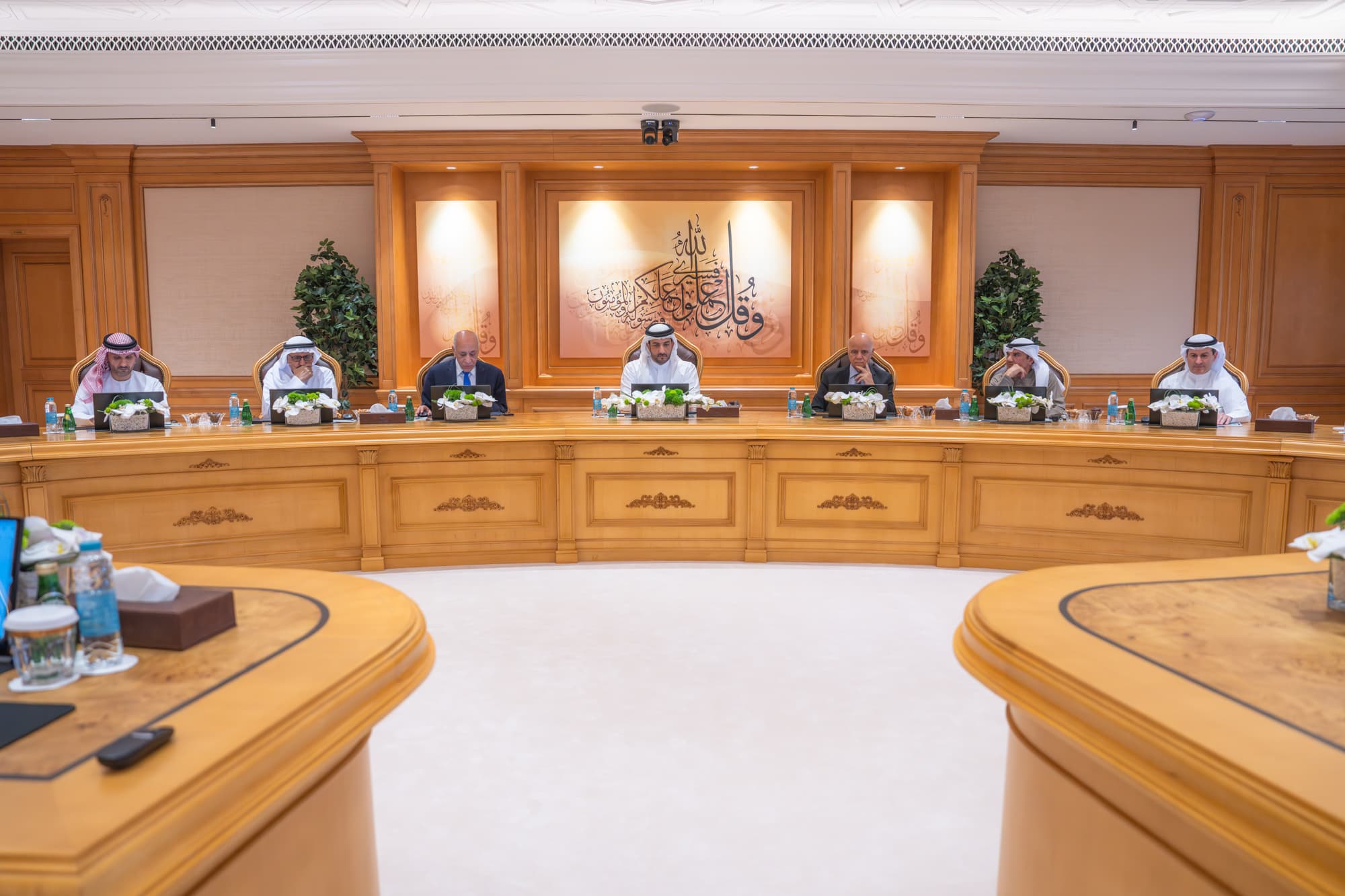
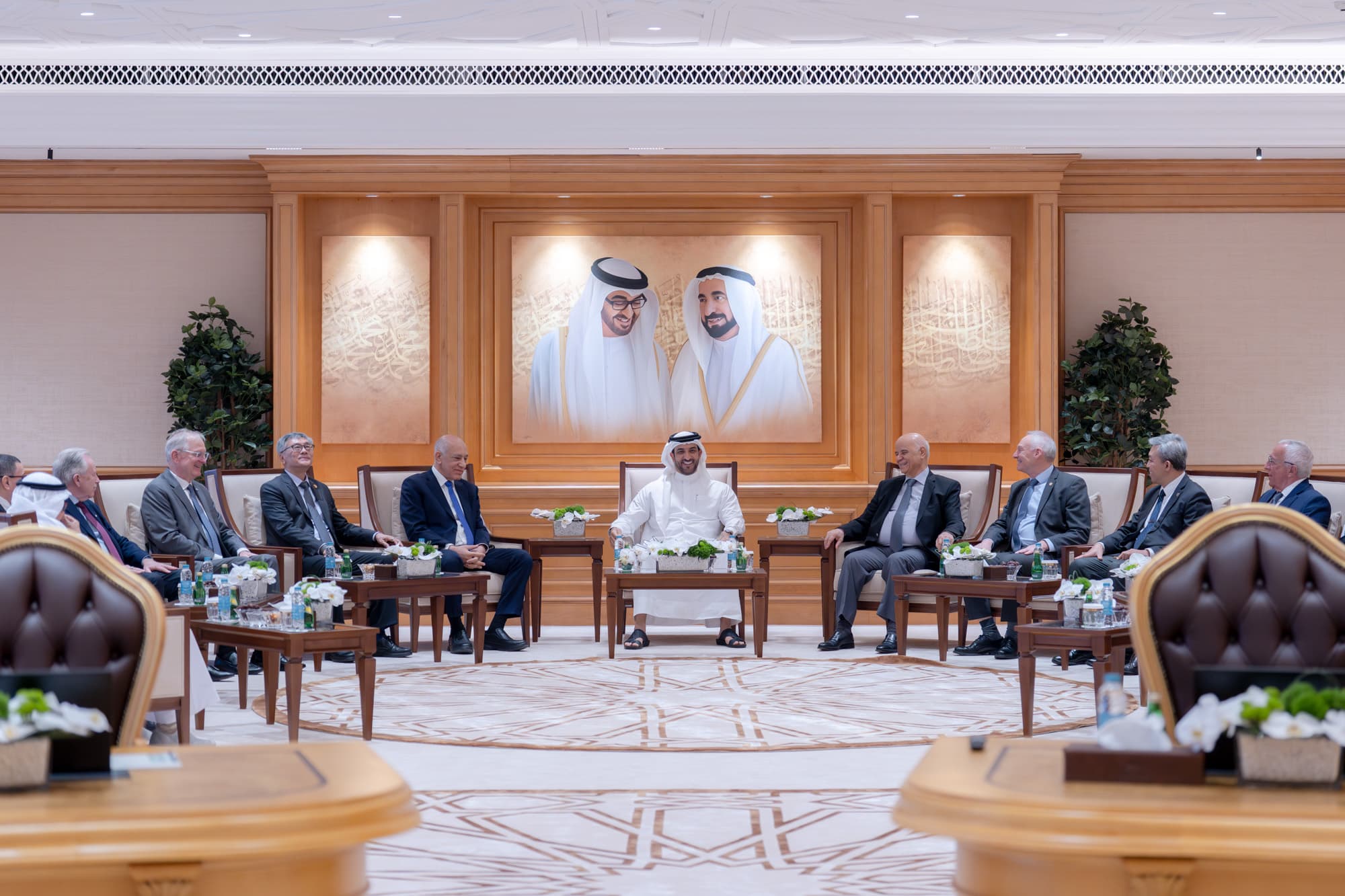
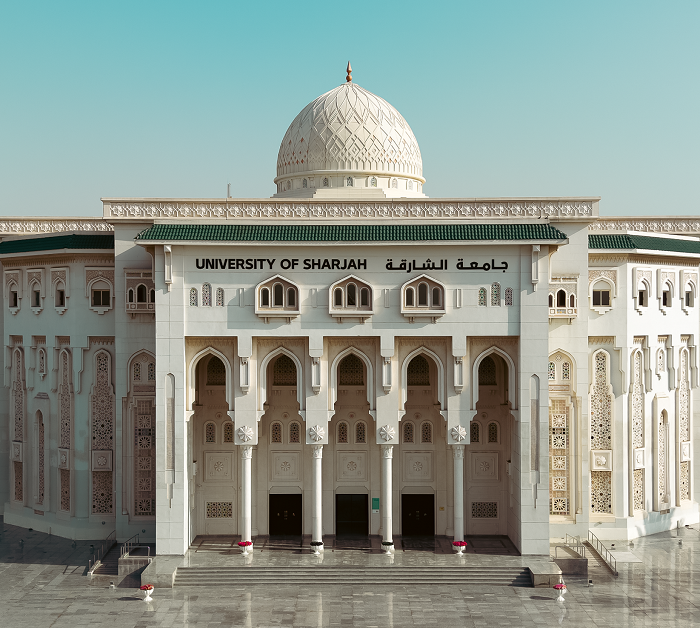
His Highness Sheikh Sultan bin Ahmed bin Sultan Al Qasimi, Deputy Ruler of Sharjah and President of the University of Sharjah, chaired the 60th meeting of the University’s Board of Trustees on Wednesday morning at his office on the UoS campus.
At the beginning of the proceedings, he welcomed board members and expressed his satisfaction with the continued, effective efforts to advance the University’s academic, research, and administrative performance. He noted that these efforts have helped the University secure a prominent position in global rankings across multiple fields.
In addition, H.H. Sheikh Sultan bin Ahmed Al Qasimi praised the University’s distinctive academic achievements and its success in maintaining its standing among leading institutions. He highlighted the University’s ongoing renewal of infrastructure, academic programs, and research initiatives, and the alignment of its curricula with international developments and contemporary technological trends, so that graduates are better equipped to meet the needs of economic sectors and the demands of the modern, technology-driven era.
During the meeting, the Board approved the graduation of a new cohort of students who completed their degree requirements at the end of the summer 2024/2025 and fall 2025/2026 semesters. The total number of graduates reached 1,607, including 1,213 at the bachelor’s level, 4 at the postgraduate diploma level, 314 at the master’s level, and 76 at the doctoral level.
In a move that signals a strong push into the knowledge economy, the Board endorsed the launch of a suite of new, cutting-edge academic programs tailored to a rapidly evolving labor market and accelerating technological change. These programs are designed to prepare highly qualified graduates who can drive comprehensive development and support economic and social growth in the UAE and the wider region. The new offerings include doctoral degrees in Artificial Intelligence, digital transformation, and dental residency, master’s degree programs in AI for biomedical and healthcare applications, and quantum science and technology, and a Bachelor of Science in AI.
The Board also approved the establishment of the Artificial Intelligence Applications Center, which will focus on developing advanced applied research in artificial intelligence and its practical uses in education and scientific research. In parallel, the Board agreed to establish an Office of Strategic Partnerships. This office will serve as a central platform for the University to oversee, guide, and coordinate the development, evaluation, and sustainability of strategic partnerships with external stakeholders, and to ensure that all partnership activities remain aligned with the University’s mission,vision, and strategic plan.
In the health sector, the Board approved reducing the duration of the Bachelor of Dental Surgery program to five years. It also endorsed proposed revisions to the general education program to keep pace with contemporary educational trends and enhance the effectiveness of academic offerings. In addition, the Board adopted an updated framework for university governance, along with a revised organizational structure, aimed at strengthening transparency, review mechanisms, and decision-making processes at all administrative levels.
Furthermore, Board members reviewed the University’s research report, including ongoing efforts to enhance the research environment, as well as several reports on newly established research centers, international rankings, and national and international academic accreditations of the University’s programs. They also examined the updated version of the University’s 2024–2030 strategy, “EDGE”, built on four main pillars: strengthening Emiratization in academic and administrative positions, achieving comprehensive digital transformation, deepening regional and international collaboration, and promoting innovation and entrepreneurship among students and graduates.
The Board also approved the promotion of 21 faculty members, including 11 to the rank of professor and 10 to the rank of associate professor. It also reviewed a set of key reports, including the external review of the University, the internal audit committee report, the risk management report, and the Emiratization report within the framework of the 2024–2030 strategy.
The Board had earlier heard a comprehensive report from H.E. Prof. Esameldin Agamy, Chancellor of the University of Sharjah, on the University’s performance and achievements over the recent period. His presentation covered progress in implementing the strategic plan, the development of infrastructure and institutional capacities, and the expansion of community outreach and relations at the local, regional, and international levels.
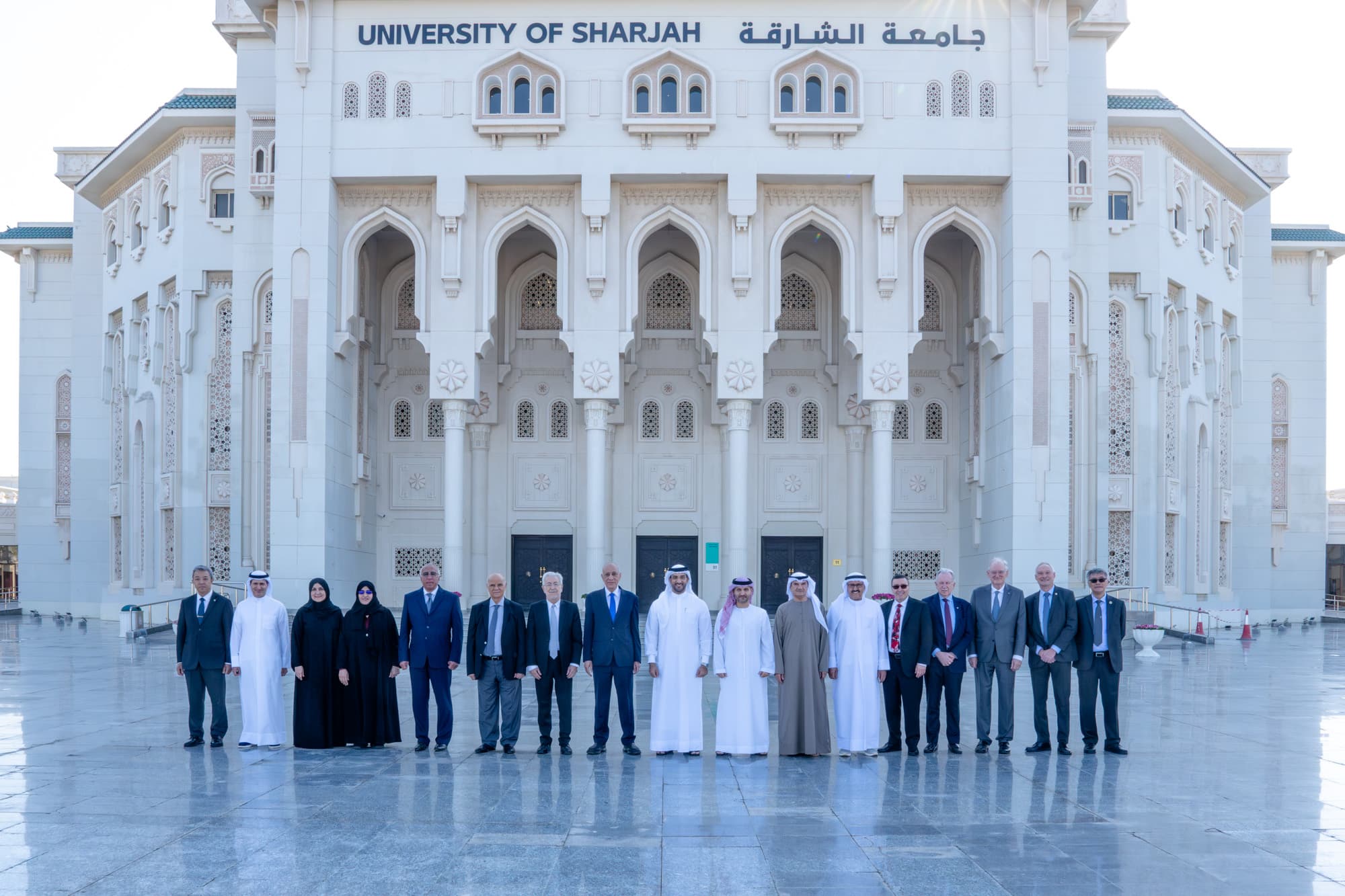
Alongside H.H. Sheikh Sultan bin Ahmed Al Qasimi, attendees from the Board of Trustees included H.E. Dr. Mansour Mohammed bin Nassar, Head of the Legal Department of the Government of Sharjah; H.E. Saeed Sultan Baljiu Al Suwaidi, Chairman of the Sharjah Electricity, Water and Gas Authority; H.E. Dr. Muhadditha Al Hashimi, Chairperson of the Sharjah Private Education Authority; H.E. Mohammed Abdullah, CEO of Sharjah Islamic Bank; H.E. Prof. Esameldin Agamy, Chancellor of the University of Sharjah; H.E. Prof. Hamid M. K. Al Naimiy, Advisor to the President, Director of the Sharjah Academy for Astronomy, Space Sciences and Technology, and President of the Arab Union for Astronomy and Space Sciences; H.E. Dr. Obaid bin Butti Al Muhairi, former Executive Dean of Arabic Language and Emirati Studies at the Higher Colleges of Technology; and H.E. Dr. Khawla Abdulrahman Al Mulla, former Chairperson of the Family Affairs Authority.
The meeting also brought together an international group of academic leaders who serve on the
Board of Trustees including H.E. Prof. Jacques Frémont, President of the University of Ottawa in Canada; H.E. Prof. Alexander Kuleshov, President of the Skolkovo Institute of Science and Technology in Russia; H.E. Prof. Mohd Hamdi bin Abdul Shakur, Former Vice Chancellor, University of Malaya and Universiti Kebangsaan, Malaysia, H.E. Prof. Paul O’Byrne, Vice President of McMaster University in Canada; H.E. Prof. Martin Barstow, Deputy Vice-Chancellor of the University of Leicester for Strategic Science Projects and Director of the Leicester Institute for Space and Earth Observation in the UK; H.E. Prof. Kamal Youcef-Toumi, Professor of Mechanical Engineering and Co-Director of the Center for Clean Water and Clean Energy at the Massachusetts Institute of Technology in the United States; H.E. Prof. Oussama Khatib, Professor of Computer Science and Electrical Engineering and Director of the Stanford Robotics Lab at Stanford University in the United States; and H.E. Prof. Tan Eng Chee, President of the National University of Singapore.
Share
Quick Links
Activity Highlights