Global
Sharjah Space and Astronomy Hub Announces that Perseid Meteor Shower Will Blaze at Peak on August 13
The Sharjah Space and Astronomy Hub (SSAH) at the University of Sharjah announced that the annual Perseid meteor shower will reach its peak this year in the pre‑dawn hours of August 13, promising one of the sky’s most reliable and dazzling celestial shows.
SSAH noted that the Perseids light up the skies every August, with activity building steadily before cresting between August 12 and 13, a window that draws intense interest from amateur skywatchers and professional astronomers alike because of the shower’s high rates and strikingly bright meteors. Although the peak lasts only a short time, the shower itself typically runs from mid‑July through the end of August and can sometimes spill into early September, albeit at much lower rates.
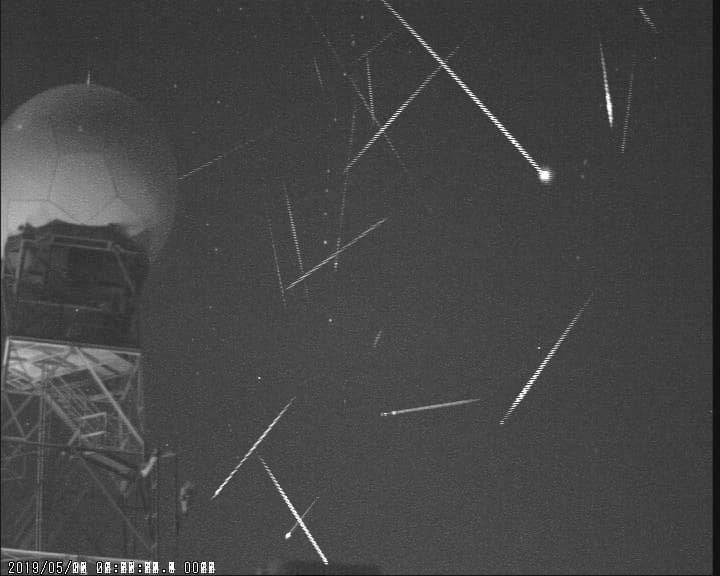
At maximum activity, observers under dark skies can usually expect to see some 80 to 100 meteors an hour, the Hub said, with outbursts in some years pushing that figure toward 150. The meteors slam into Earth’s atmosphere at roughly 60 kilometers per second, making the Perseids one of the more dramatic showers of the year in both intensity and brilliance.
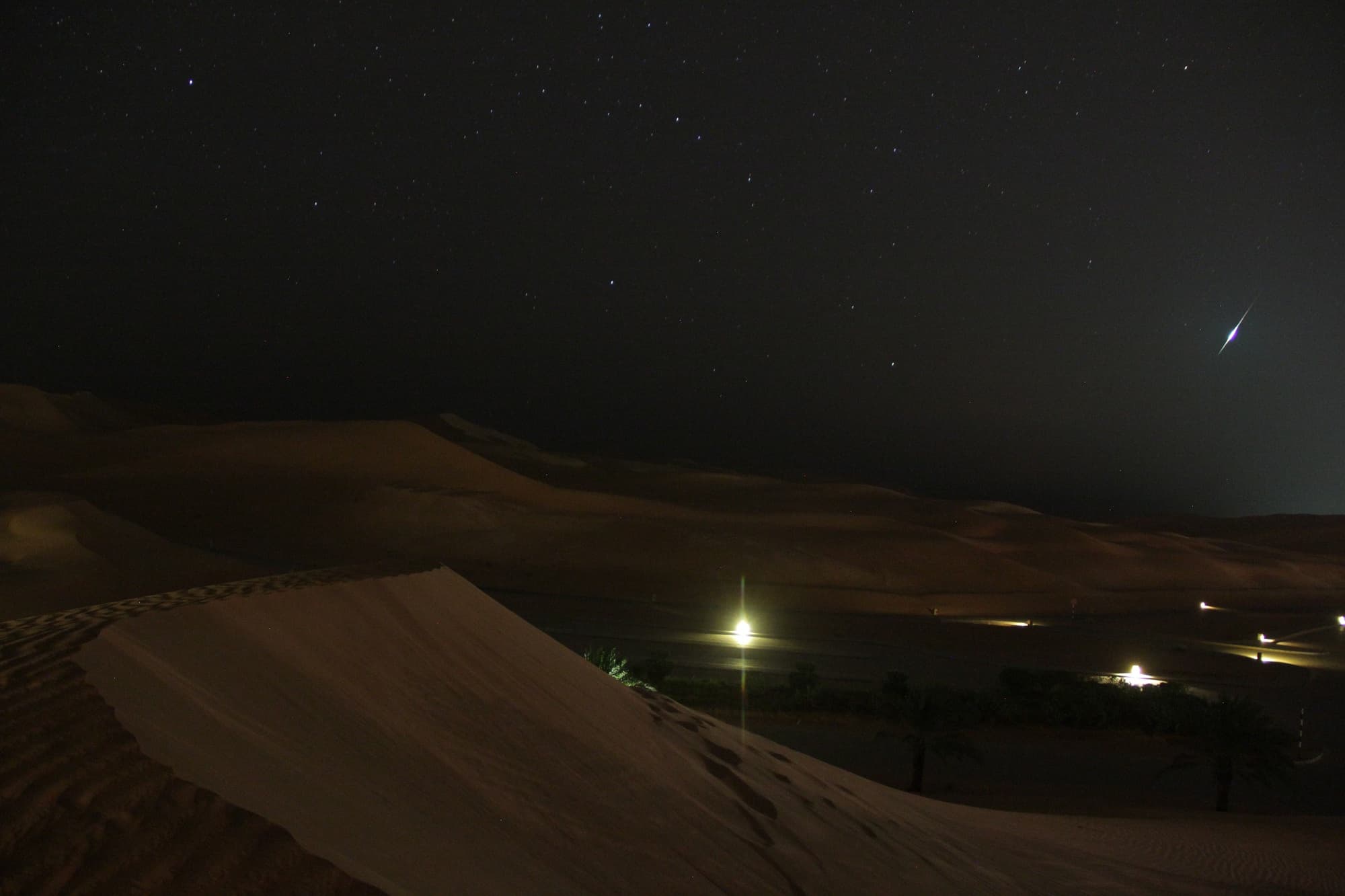
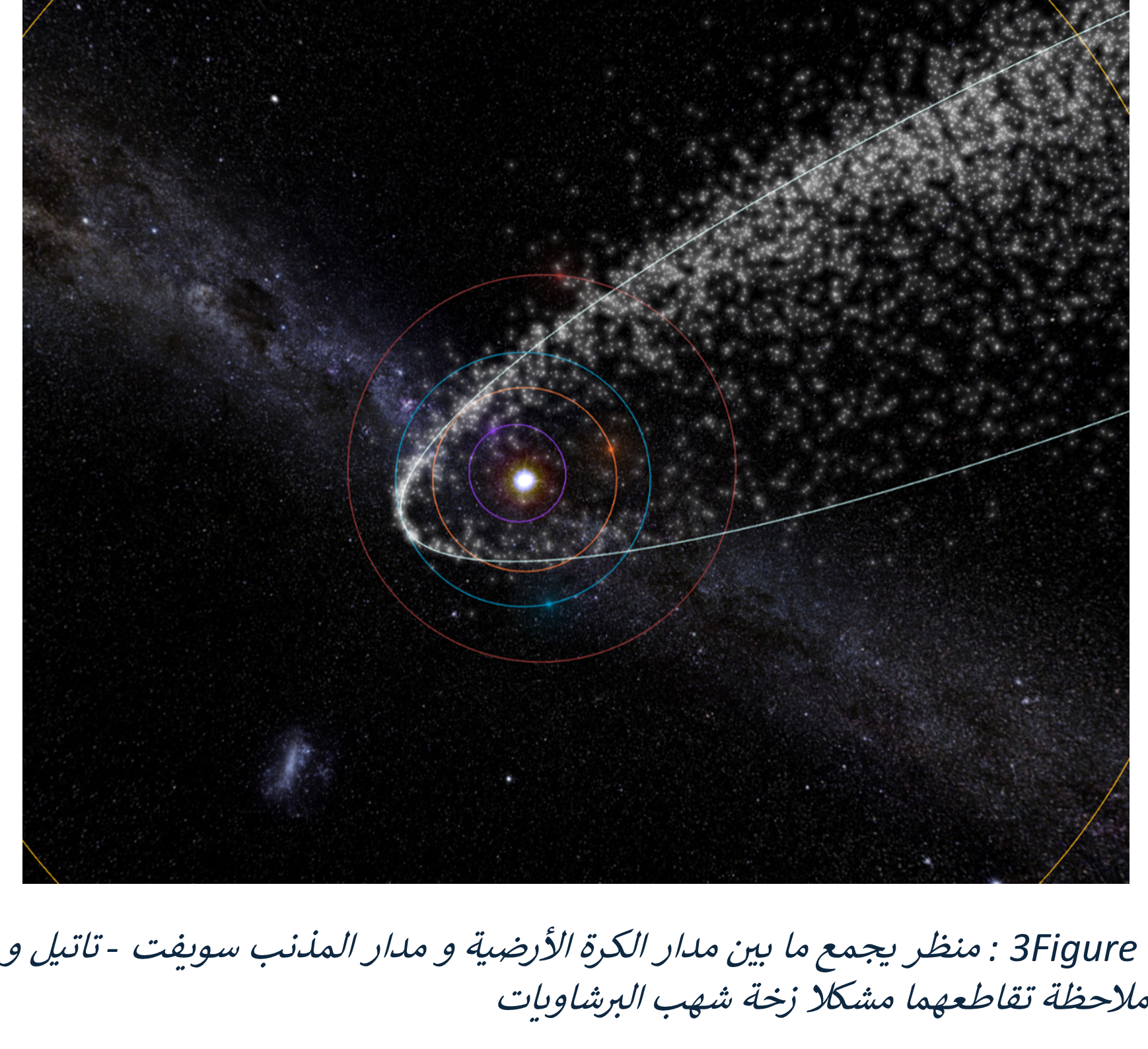
Like most major meteor showers, the Perseids are born from a comet’s debris trail, in this case, Comet Swift–Tuttle, which takes about 133 years to loop once around the sun. As Earth plows through this stream of dust and ice, tiny grains and pebbles hit the upper atmosphere at tremendous speed and burn up, flaring briefly as the “shooting stars” that streak across the night.
Astronomers have been tracking this spectacle for more than two millennia, with early records pointing to unusual displays of “falling stars” in late summer skies. Yet it was not until the 19th century that scientists firmly linked the Perseids to Swift–Tuttle, thanks to systematic observations that tied the shower’s annual appearance to the comet’s elongated orbit.
For 2026, SSAH expects the shower’s peak on August 13, with the surrounding nights, especially August 12, 13, and 14, offering strong activity. Conditions could hardly be better: the moon will be near or at its new phase, leaving the sky darker and dramatically improving the chances of spotting fainter meteors that would otherwise be washed out by moonlight.
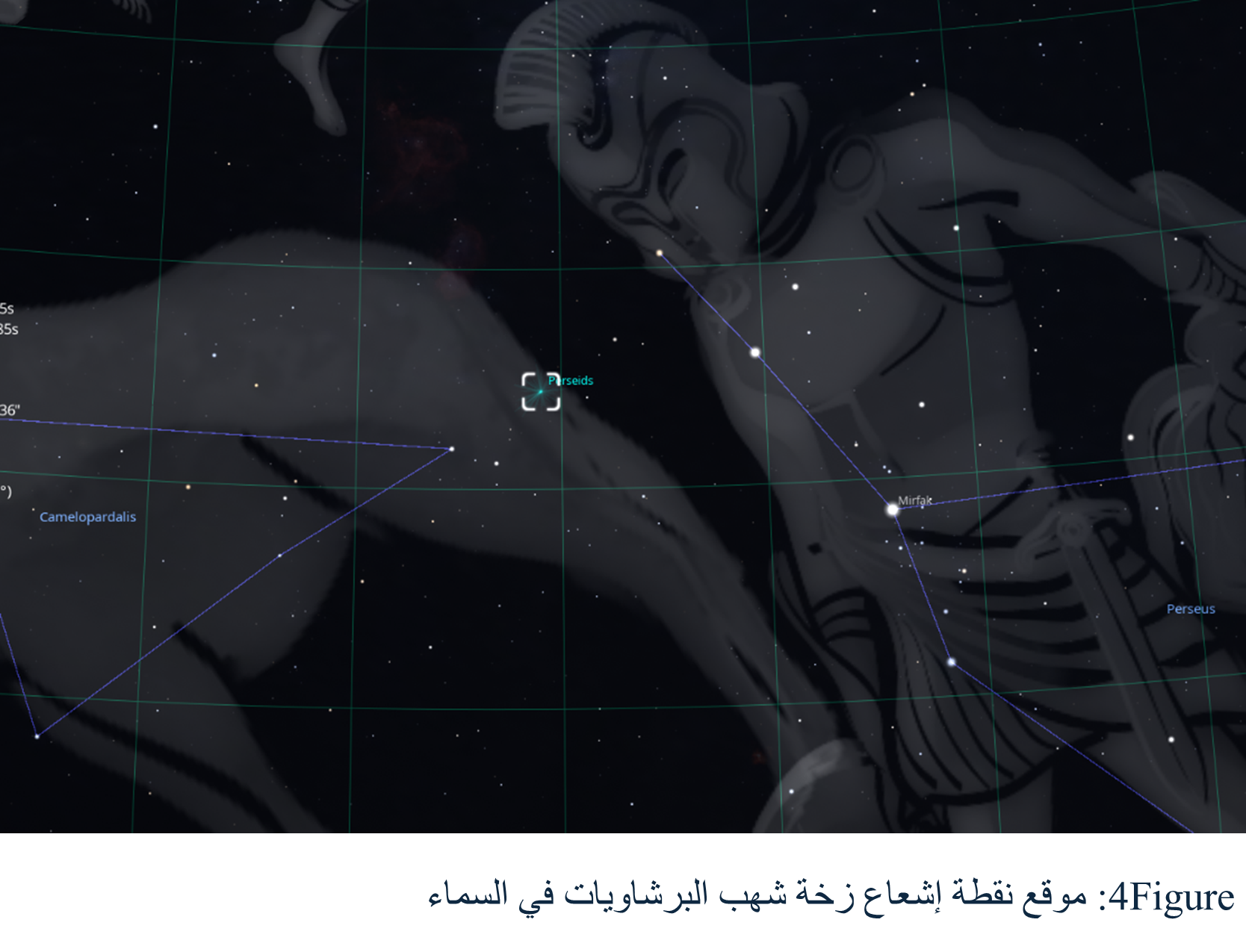
The shower takes its name from the constellation Perseus, near the point in the sky from which the meteors appear to radiate. After dusk, Perseus rises in the northeastern sky, not far from the constellation Andromeda, and climbs higher through the night, boosting meteor counts as it gains altitude.
The Sharjah Space and Astronomy Hub emphasized that following such events is not only an enchanting pastime, but also a crucial part of understanding how the solar system and the wider universe evolve. By tracking meteor showers and other transient phenomena, researchers gain insight into the composition of comets and asteroids, the dynamics of planetary orbits and the physics at work when tiny fragments collide with Earth’s atmosphere.
Share
Quick Links
Activity Highlights