Global
SSAH Showcases Five Advanced Research Projects at International Space Conference in Turkey
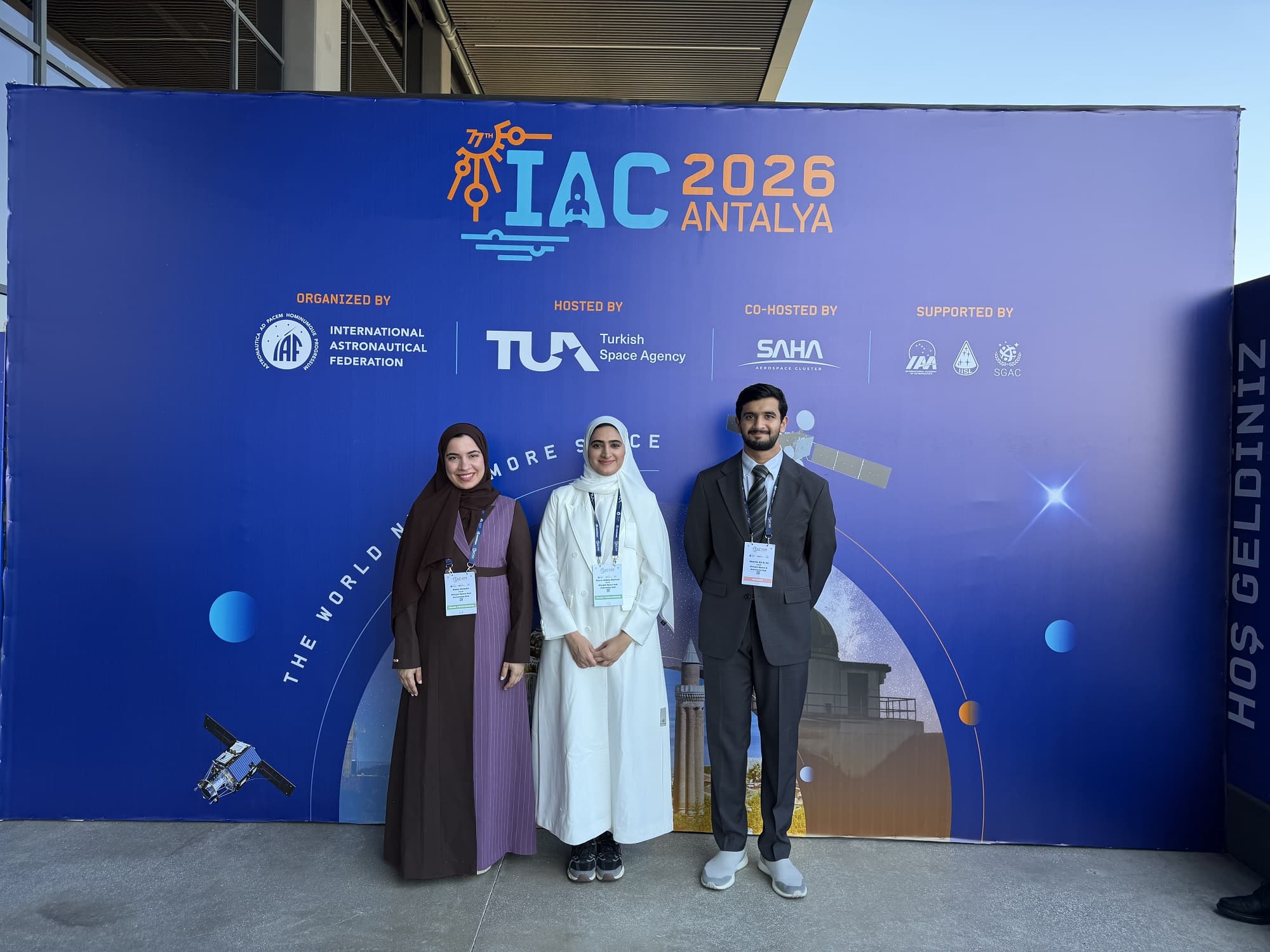
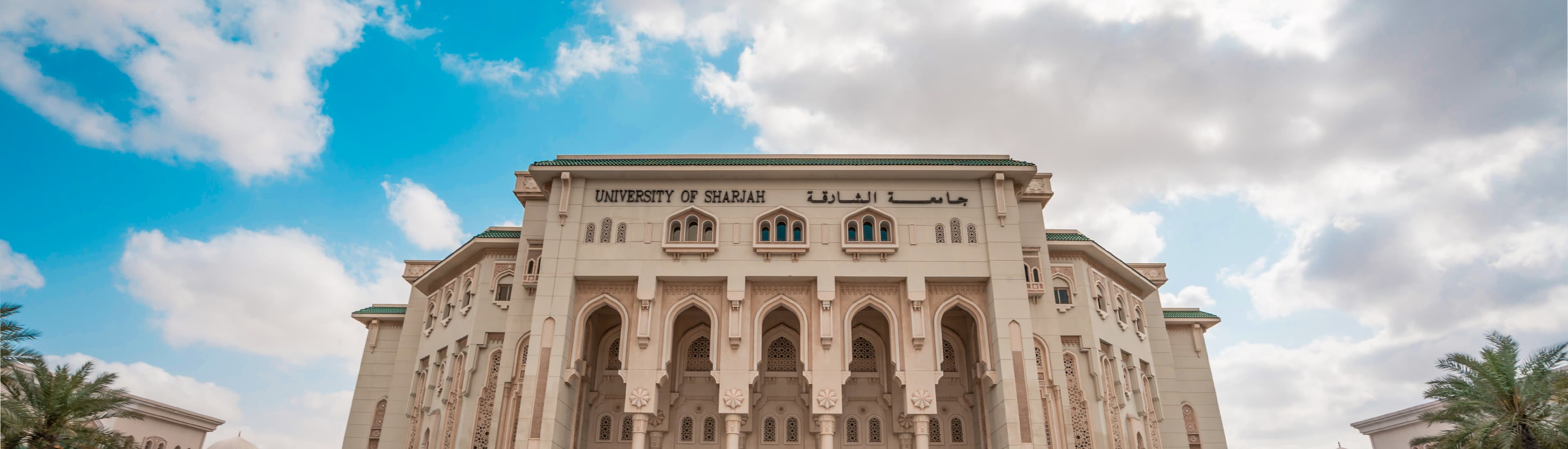
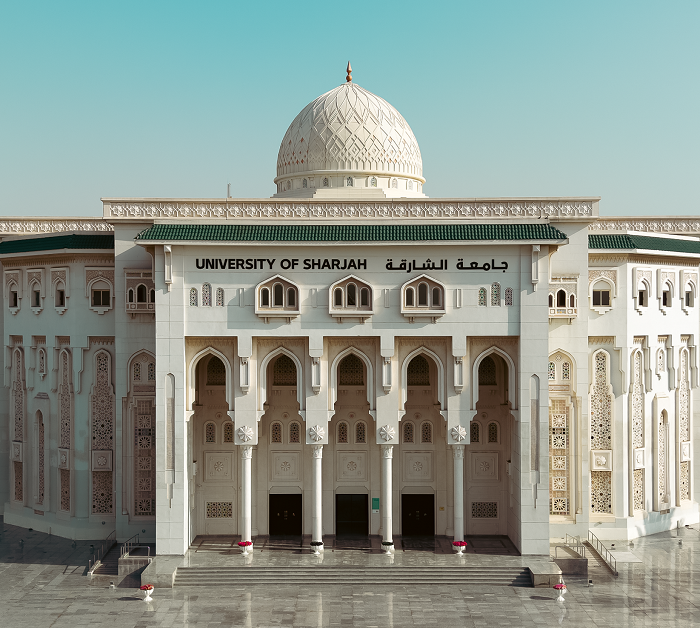
The Sharjah Space and Astronomy Hub (SSAH), affiliated with the University of Sharjah, presented five research projects and scientific papers at the 77th International Astronautical Congress, recently held in Antalya, Türkiye.
The congress brought together leading scientists, researchers, astronauts, and representatives of institutions, agencies, and companies working in the space sector. SSAH’s participation reflects its efforts to support scientific research and innovation, strengthen its presence at international scientific forums, and expand opportunities for collaboration in space science, astronomy, and advanced technologies.
During the conference, researchers from SSAH presented work in fields including artificial intelligence and remote sensing, quantum physics and space communications, space weather, and astrophysics. The presentations were intended to promote the exchange of knowledge and expertise and to open avenues for communication and cooperation with international institutions and research centers.
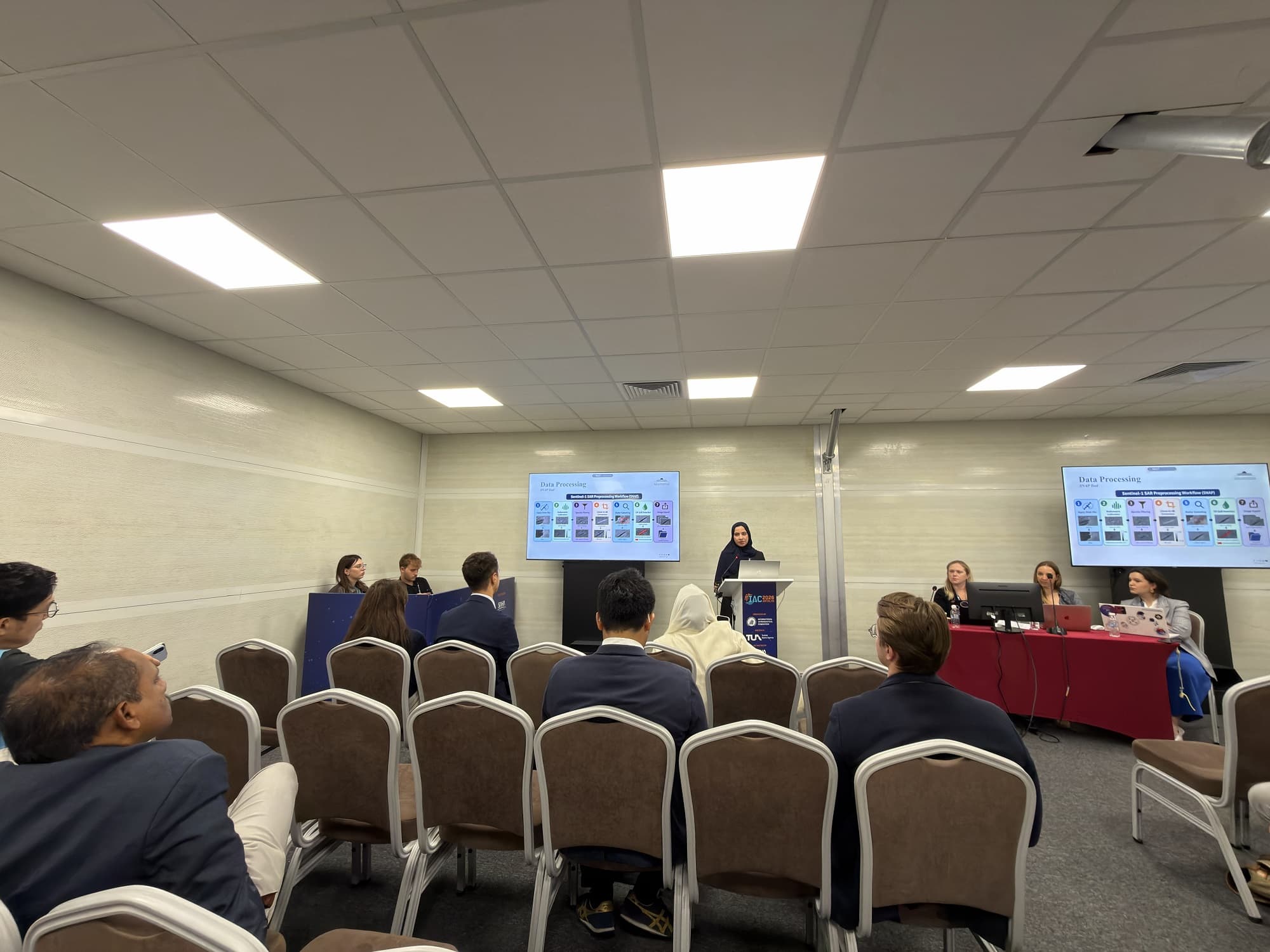
Aisha Al Owais, Acting Head of the SSAH’s Artificial Intelligence Department, presented a research project on detecting oil spills using artificial intelligence and remote-sensing technologies. Her presentation examined the use of deep-learning algorithms and satellite image analysis to identify oil spills at sea, as well as the potential to develop these technologies and expand their applications in the future.
Noura Al Amiri, Acting Head of High-Energy Astrophysics Department, presented two scientific papers. The first addressed the modeling of quantum-entanglement dynamics and its potential future applications in space-based quantum communications. The second introduced the “Ionospheric Butterfly” project, which transforms data from SSAH’s ionosonde into changing visual effects. The project combines ionospheric science with contemporary art to present space-weather data in a visual and interactive format.
Researcher Abdullah Ali Khalfan Al Ali, a research analyst, presented two projects. The first examined precise gravitational-lensing methods and their role in studying accretion disks surrounding supermassive black holes. The second focused on modeling the light curves of two contact binary star systems, using observations from SSAH’s astronomical observatory. The results were consistent with published studies, underscoring the observatory’s potential to support specialized astronomical research.
Share
Quick Links
Activity Highlights